Freedom from Intimidation in Elections Act
Prohibits intimidation of federal election workers and creates a firearm-based presumption in related lawsuits.
In the House Judiciary Committee since Sept. 24, 2026, 12 days after it was introduced. Most bills never leave committee.
- INTRODUCEDINTROSEP 24, 2026
- COMMITTEECOMM.IN COMMITTEE
- HOUSEHOUSE—
- SENATESENATE—
- LAWLAW—
What the bill would do, and why it matters
Election intimidation can involve pressure or threats aimed at voters or the people who run elections. The bill would expressly prohibit intimidation of federal election officials and workers. It would also create a rebuttable presumption of intimidation in specified encounters involving visible firearms, and let courts impose temporary limits on firearm carrying as a possible remedy.
- INTRODUCED ONLY This bill has been introduced and possibly referred to a committee, but it has not passed any vote. Most introduced bills never become law — they die in committee without a hearing.
- DATA NOTE No Congressional Research Service summary was available.
- Prohibit intimidation of election workers
The bill would prohibit intimidating, threatening, or coercing people for carrying out duties to administer federal elections, including counting, tabulating, canvassing, and certifying votes. It would also cover attempts to intimidate and people targeted because they currently or previously took part in election administration.
- Presume intimidation in some voter encounters
In a lawsuit to enforce the Voting Rights Act’s voter-intimidation rule, a person would be presumed to have violated it if they visibly carried or displayed a firearm, imitation firearm, or antique firearm while interacting with or observing someone voting, trying to vote, helping a voter, or carrying out specified election-related duties. The person could rebut the presumption with an affirmative showing to the contrary by a preponderance of the evidence.
- Presume intimidation in worker encounters
In a lawsuit over intimidation of election officials or workers, the same presumption would apply when someone visibly carried or displayed a firearm, imitation firearm, or antique firearm while interacting with or observing someone administering elections, or because of that person’s current or former role in election administration. State and local law enforcement officers acting within their official duties would be exempt from the presumption, but the court could still consider their firearm possession; National Guard members would not be exempt.
- Allow courts to limit firearm carrying
In a lawsuit under either intimidation rule, a court could grant appropriate relief, including reasonable temporary limits on a defendant’s firearm carrying.
The bill’s stated purpose is to prohibit intimidation of election officials and workers. It would also make visible firearms relevant to how courts assess certain voter- and election-worker-intimidation lawsuits, including by setting a rebuttable presumption and allowing temporary limits on firearm carrying as a possible remedy.
Written from the bill text.
The path it took, step by step
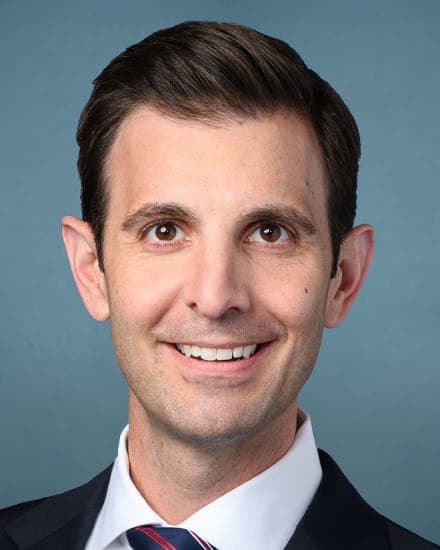
- IntroducedSEP 24, 2026HOUSESEP 24, 2026By Rep. Deluzio with 1 original cosponsorReferred to Judiciary
- SAME DAYNOWHouse committeeSEP 24, 2026JUDICIARY NOWSEP 24, 2026In committee for 12 daysNo hearing yet
- 12 DAYS SO FARPassed the House—HOUSE FLOOR—Not scheduled
- Senate committee—SENATE—
- Passed the Senate—SENATE FLOOR—Not scheduled
- Resolve differencesONLY IF NEEDEDBOTH CHAMBERSONLY IF NEEDEDSkipped if the other chamber passes the same text
- Signed into law—PRESIDENT—10 days to sign or veto
- SEP 242026SEP 24, 2026REFERREDHOUSEReferred to the House Committee on the Judiciary.
- SEP 242026SEP 24, 2026INTRODUCEDHOUSEIntroduced in House
At day 12, this bill is already older than 3% of the laws passed this Congress were when they were signed.
Where your members stand on it
Support from one state
Plus the sponsor, a Democrat. Every cosponsor is from one party.
Plus the sponsor, a Democrat. Every cosponsor is from one party.
Rep. Deluzio’s record: sponsored 36 bills this Congress. 1 passed the House; 0 became law.
- Raul RuizD-CA-25ORIGINAL
Coverage at a glance
Outlets that covered this bill, by their lean.
What readers think
Discussion
Get an alert when it changes stage, gets a floor vote in the House, or is signed into law.