Combating Pasture Mealybug Act
Directs the Agriculture secretary to study pasture mealybug threats and recommend ways to improve U.S. preparedness and response.
In the House Agriculture Committee since Sept. 24, 2026, 11 days after it was introduced. Most bills never leave committee.
- INTRODUCEDINTROSEP 24, 2026
- COMMITTEECOMM.IN COMMITTEE
- HOUSEHOUSE—
- SENATESENATE—
- LAWLAW—
What the bill would do, and why it matters
Pasture mealybugs are invasive insects that can harm grazing land and crops. The bill would direct the Agriculture secretary to study the country’s preparedness to combat them, consult affected groups and experts, and publish recommendations for improving the response.
- INTRODUCED ONLY This bill has been introduced and possibly referred to a committee, but it has not passed any vote. Most introduced bills never become law — they die in committee without a hearing.
- DATA NOTE No Congressional Research Service summary was available.
- Study U.S. preparedness
The Agriculture secretary would study how prepared the United States is to combat pasture mealybug. The study would assess the insect’s threat to livestock and commercial crops, and review containment, surveillance, emergency response, research, and international cooperation.
- Consult agricultural and scientific stakeholders
The secretary would consult agricultural producers and industry groups, wildlife management agencies, scientific experts, and state and local agricultural officials while conducting the study.
- Send Congress and publish a report
The secretary would report the study’s findings and recommend legislative and administrative actions to improve the country’s ability to combat pasture mealybug. The report would be sent to the House and Senate agriculture committees and made public.
The bill cites pasture mealybug as an invasive insect that can damage plants and threaten grazing land, hay, and crops including sugarcane. It also states that the pest has been found in states across the Southeast. The study is intended to identify gaps in the country’s ability to respond and recommend ways to address them.
Written from the bill text.
The path it took, step by step
- IntroducedSEP 24, 2026HOUSESEP 24, 2026By Rep. Cruz with 13 original cosponsorsReferred to Agriculture
- SAME DAYNOWHouse committeeSEP 24, 2026AGRICULTURE NOWSEP 24, 2026In committee for 11 daysNo hearing yet
- 11 DAYS SO FARPassed the House—HOUSE FLOOR—Not scheduled
- Senate committee—SENATE—
- Passed the Senate—SENATE FLOOR—Not scheduled
- Resolve differencesONLY IF NEEDEDBOTH CHAMBERSONLY IF NEEDEDSkipped if the other chamber passes the same text
- Signed into law—PRESIDENT—10 days to sign or veto
- SEP 242026SEP 24, 2026REFERREDHOUSEReferred to the House Committee on Agriculture.
- SEP 242026SEP 24, 2026INTRODUCEDHOUSEIntroduced in House
At day 11, this bill is already older than 3% of the laws passed this Congress were when they were signed.
Where your members stand on it
A coalition from 4 states
Plus the sponsor, a Republican. Every cosponsor is from one party.
Plus the sponsor, a Republican. Every cosponsor is from one party.
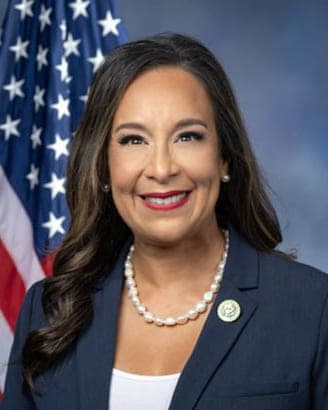
Rep. De La Cruz’s record: sponsored 36 bills this Congress. 4 passed the House; 1 became law.
- Brian BabinR-TX-36ORIGINAL
- Kat CammackR-FL-3ORIGINAL
- Michael CloudR-TX-27ORIGINAL
- Jake EllzeyR-TX-6ORIGINAL
- Pat FallonR-TX-4ORIGINAL
- Brandon GillR-TX-26ORIGINAL
- Lance GoodenR-TX-5ORIGINAL
- Morgan LuttrellR-TX-8ORIGINAL
- Nathaniel MoranR-TX-1ORIGINAL
- David G. ValadaoR-CA-22ORIGINAL
- Beth Van DuyneR-TX-24ORIGINAL
- Randy K. Weber, Sr.R-TX-14ORIGINAL
What readers think
Discussion
Get an alert when it changes stage, gets a floor vote in the House, or is signed into law.