Bills · HR 10530
IN COMMITTEE· 119TH CONGRESS
House BillHR 10530
Quality Educator Partnership Act
The bill sets goals for educator workforce development and partnerships between preparation programs and high-need education communities, while its operational details are not included in the excerpt.AI-written
INTRO SEP 24· LAST ACTION SEP 24
PASSAGE CHANCESLONG SHOT
1%
READING
12MIN
COSPONSORS
3
READER REACTIONS0 TOTAL
NO VOTES YET · BE THE FIRST
- Introduced only
tl;dr
AI-writtenA proposal to strengthen educator preparation and support, with a focus on high-need schools and fields. The available excerpt does not show the program or funding details.
LEGISLATIVE PROGRESS
STEP 2 / 8Introduced
In Committee
Reported
Passed House
Passed Senate
Conference
To President
Became Law
WHAT THE BILL DOES
AI-writtenEducator preparation, mentoring, and workforce development can shape who enters the profession and how educators are prepared for students’ needs. The bill’s stated approach is to connect preparation programs with high-need schools and local education agencies, including through sustained collaboration and mentoring.
The excerpt describes goals and eligibility definitions, but does not include the later bill sections that would clarify the specific programs, funding levels, or requirements. Those details are needed to assess the proposal’s practical reach and costs.
KEY PROVISIONS
5AI-extractedPROVISION 01
Sets goals for educator workforce-development systems spanning early childhood through elementary and secondary education.
The proposal treats educator preparation and career development as connected across multiple stages of education.
PROVISION 02
Aims to encourage people to enroll in and complete educator-preparation programs for high-need fields, especially people underrepresented in the profession.
This identifies the candidates and fields the bill intends to prioritize.
PROVISION 03
Aims to invest in educator-preparation programs and their partnerships with state and local partners.
The proposal is intended to support or expand preparation practices through cooperation between institutions and education partners; the excerpt does not specify amounts or mechanisms.
PROVISION 04
Defines eligible partnerships to include a high-need local education agency, a high-need school or early childhood program, and a higher-education institution with an education program.
These definitions indicate the kinds of institutions the bill’s partnership approach is designed to involve.
PROVISION 05
Describes educator mentoring that can include trained mentors, classroom observation, collaboration time, and professional development.
The definition emphasizes ongoing, job-connected support for new or prospective educators.
SPONSORSHIP
1 + 3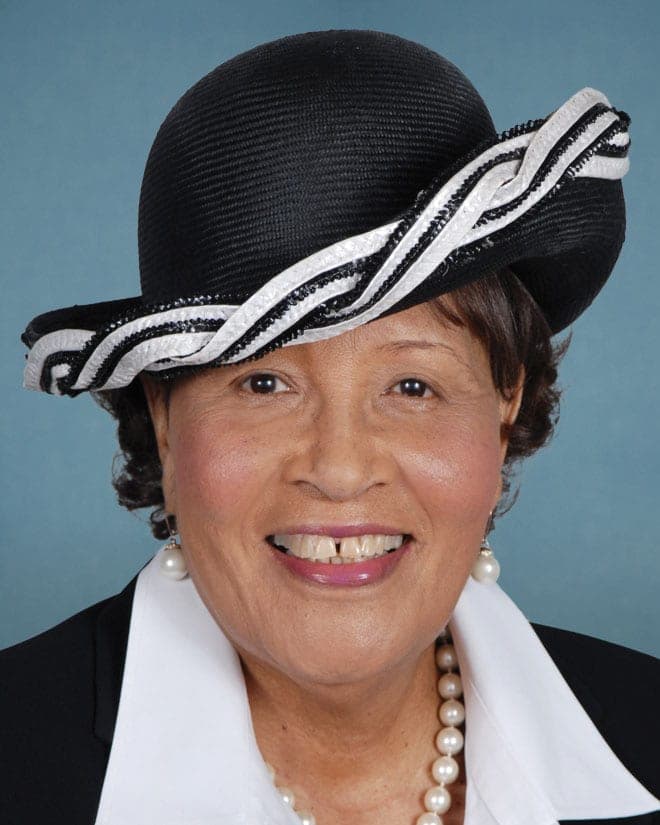
D· North Carolina
YRS IN OFFICE
11
BILLS LED
31
COSPONSOR BREAKDOWNBIPARTISAN · 0%
DEM 3 REP 0 IND 0
ACTION TIMELINE
2 EVENTSSEP 24
Referred to the House Committee on Education and Workforce.
SEP 24
Introduced in House
BILL INFO
TypeHouse Bill
NumberHR 10530
Congress119th
StatusIn Committee
IntroducedSep 24, 2026
Last actionSep 24, 2026
READER REACTIONS
OVERALL SENTIMENT
No reactions yet. Be the first to weigh in.
Discussion
Loading comments...
IN COMMITTEE· 119TH CONGRESS · EDUCATION AND WORKFORCE COMMITTEE · INTRODUCED SEP 24, 2026
House BillHR 10530
Quality Educator Partnership Act
The bill sets goals for educator workforce development and partnerships between preparation programs and high-need education communities, while its operational details are not included in the excerpt.AI-written
INTRODUCED SEP 24, 2026· LAST ACTION SEP 24, 2026
PASSAGE CHANCES
1%
READING
12 min
COSPONSORS
3
COMPLEXITY
Complex