HELPER Plus Act
Creates FHA mortgage insurance that could let eligible first-time buyers in specified occupations purchase a home with no down payment.
In the House Financial Services Committee since Sept. 21, 2026, 15 days after it was introduced. Most bills never leave committee.
- INTRODUCEDINTROSEP 21, 2026
- COMMITTEECOMM.IN COMMITTEE
- HOUSEHOUSE—
- SENATESENATE—
- LAWLAW—
What the bill would do, and why it matters
The issue is whether certain public-service workers can get FHA-backed financing to buy a first home. The bill would create a mortgage-insurance program for qualifying first-time buyers in specified occupations. It would allow a mortgage with no down payment, require an upfront insurance premium, and bar monthly premiums under the program.
- INTRODUCED ONLY This bill has been introduced and possibly referred to a committee, but it has not passed any vote. Most introduced bills never become law — they die in committee without a hearing.
- DATA NOTE No Congressional Research Service summary was available.
- Creates FHA insurance for eligible workers
The Secretary of Housing and Urban Development could insure qualifying mortgages for first-time homebuyers who work in listed public-service occupations. The mortgage could cover buying or repairing a one-family home, including certain manufactured homes, for use as the buyer’s principal residence.
- Allows purchase with no down payment
A covered mortgage could be as large as 100% of the home’s appraised value, including allowable fees and the insurance premium, and the buyer would not have to pay cash toward the property. The program would require an upfront insurance premium, which could exceed 3% of the original mortgage amount, but would prohibit monthly insurance premiums.
- Sets work and buyer eligibility rules
Applicants must be first-time homebuyers, complete approved housing counseling, and work as a first responder, 911 operator or dispatcher, corrections officer or prison guard, or child care worker. The text also requires first-responder employment history, good standing, and an intent to continue as a first responder; as written, those tests appear to apply even to applicants in the other listed occupations.
- Authorizes program funding
The bill authorizes $660,000 for fiscal year 2026 and $160,000 for each fiscal year from 2027 through 2032, with each amount available until spent.
- Limits when new mortgages can be insured
The authority to enter into new mortgage-insurance commitments would expire five years after the Secretary first makes insurance available under the program.
The bill would create a way for qualifying workers to buy or repair a principal residence without paying cash toward the property at closing. That could change how much money an eligible first-time buyer needs upfront, while the required upfront premium could exceed 3% of the mortgage amount.
The bill directs the Secretary to set risk and underwriting requirements for the program, including requirements intended to meet actuarial objectives for the Mutual Mortgage Insurance Fund. It authorizes program funding through fiscal year 2032 and limits the period for making new insurance commitments.
Written from the bill text.
The path it took, step by step
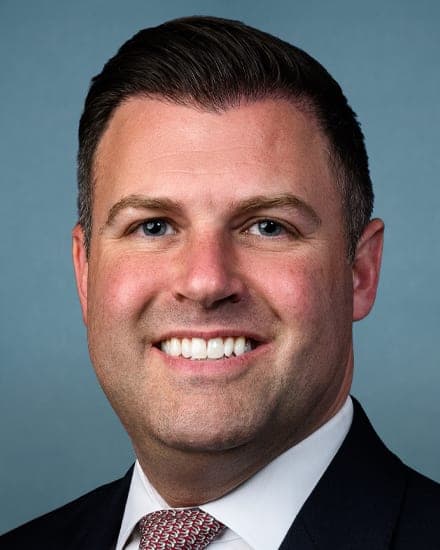
- IntroducedSEP 21, 2026HOUSESEP 21, 2026By Rep. MackenzieReferred to Financial Services
- SAME DAYNOWHouse committeeSEP 21, 2026FINANCIAL SERVICES NOWSEP 21, 2026In committee for 15 daysNo hearing yet
- 15 DAYS SO FARPassed the House—HOUSE FLOOR—Not scheduled
- Senate committee—SENATE—
- Passed the Senate—SENATE FLOOR—Not scheduled
- Resolve differencesONLY IF NEEDEDBOTH CHAMBERSONLY IF NEEDEDSkipped if the other chamber passes the same text
- Signed into law—PRESIDENT—10 days to sign or veto
- SEP 212026SEP 21, 2026REFERREDHOUSEReferred to the House Committee on Financial Services.
- SEP 212026SEP 21, 2026INTRODUCEDHOUSEIntroduced in House
At day 15, this bill is already older than 4% of the laws passed this Congress were when they were signed.
Where your members stand on it
What readers think
Discussion
Get an alert when it changes stage, gets a floor vote in the House, or is signed into law.