End Energy Hardship Act
Funds utility debt relief and requires participating utilities to offer ongoing energy affordability programs.
In the House Energy and Commerce Committee since Sept. 16, 2026, 22 days after it was introduced. Most bills never leave committee.
- INTRODUCEDINTROSEP 16, 2026
- COMMITTEECOMM.IN COMMITTEE
- HOUSEHOUSE—
- SENATESENATE—
- LAWLAW—
What the bill would do, and why it matters
Households can struggle to keep up with electric and gas bills, and unpaid balances can lead to collections or disconnection. The End Energy Hardship Act would fund utilities to pay off residential arrears and require funded utilities to offer income-based affordability programs. It would also support program costs and track utility arrears, disconnections, and enrollment.
- INTRODUCED ONLY This bill has been introduced and possibly referred to a committee, but it has not passed any vote. Most introduced bills never become law — they die in committee without a hearing.
- DATA NOTE No Congressional Research Service summary was available.
- Pay down residential utility arrears
The Secretary of Energy would award competitive grants to electric and natural gas distribution utilities to eliminate residential customers’ unpaid or overdue bills. If a grant cannot cover everyone’s arrears, utilities would prioritize older debt first, then customers meeting the bill’s income test, then households that include an older adult, a person with a disability, a child under 6, or someone with a medical condition requiring utility service.
- Require ongoing affordable payment programs
A utility receiving a grant would have to run a qualified percentage-of-income payment program or an approved alternative for at least 60 consecutive months. The qualified program would cap monthly charges at specified shares of household income, offer automatic enrollment in certain cases, and protect enrolled customers from disconnection if they pay the full monthly amount on time.
- Stop collections for funded arrears
Utilities would have to stop late fees, penalties, collections, and disconnections for arrears expected to be eliminated by the grant. They could not recover those same arrears costs from other ratepayers.
- Distribute remaining funds as bill credits
Any program funds not spent in the first phase would be distributed to utilities that received first-phase funding, in proportion to the number of residential customers they serve. Those utilities would give each residential customer the same-size credit.
- Fund support and track utility data
The Secretary would offer technical assistance and, subject to available funds, help cover costs of qualified payment programs. The Energy Information Administration would collect and publish annual data on arrears, disconnections, and program enrollment; utilities that fail to comply could be required to repay funding.
Unpaid utility bills can lead to collections or service disconnections, and the bill addresses both those arrears and the affordability of future bills. It would also create annual public reporting on arrears, disconnections, and enrollment in income-based payment programs.
Written from the bill text.
The path it took, step by step
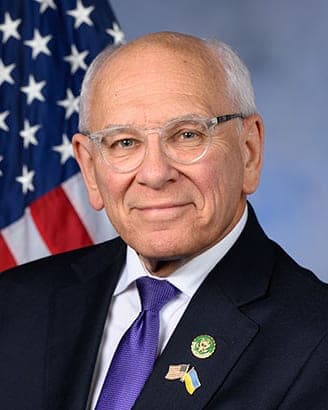
- IntroducedSEP 16, 2026HOUSESEP 16, 2026By Rep. TonkoReferred to Energy and Commerce
- SAME DAYNOWHouse committeeSEP 16, 2026ENERGY & COMMERCE NOWSEP 16, 2026In committee for 22 daysNo hearing yet
- 22 DAYS SO FARPassed the House—HOUSE FLOOR—Not scheduled
- Senate committee—SENATE—
- Passed the Senate—SENATE FLOOR—Not scheduled
- Resolve differencesONLY IF NEEDEDBOTH CHAMBERSONLY IF NEEDEDSkipped if the other chamber passes the same text
- Signed into law—PRESIDENT—10 days to sign or veto
- SEP 162026SEP 16, 2026REFERREDHOUSEReferred to the House Committee on Energy and Commerce.
- SEP 162026SEP 16, 2026INTRODUCEDHOUSEIntroduced in House
At day 22, this bill is already older than 7% of the laws passed this Congress were when they were signed.
Where your members stand on it
What readers think
Discussion
Get an alert when it changes stage, gets a floor vote in the House, or is signed into law.