Bills · HJRES 127
IN COMMITTEE· 119TH CONGRESS
House Joint Res.HJRES 127Families
Proposing an amendment to the Constitution of the United States relating to parental rights.
INTRO SEP 19· LAST ACTION SEP 19
READING
1MIN
COSPONSORS
13
READER REACTIONS0 TOTAL
NO VOTES YET · BE THE FIRST
- Introduced only
LEGISLATIVE PROGRESS
STEP 2 / 8Introduced
In Committee
Reported
Passed House
Passed Senate
Conference
To President
Became Law
WHAT THE BILL DOES
AI-writtenThis bill matters because it seeks to enshrine "parental rights" directly into the U.S. Constitution, which would significantly change the legal landscape for families and government. Currently, courts often recognize parental rights, but this amendment would make them an explicit "fundamental right," putting them on par with rights like free speech or religion. If passed, it would make it much harder for governments to pass laws or policies that parents feel infringe on their ability to raise their children, particularly in areas like school choices, curriculum content, or medical decisions for minors.
Without this amendment, existing laws and court interpretations continue to define the balance between parental authority and state interests. If it becomes law, it could lead to more legal challenges against government programs or requirements related to schooling, healthcare, and social services for children, as the government would have a much tougher standard to meet to justify its actions. It reflects ongoing debates about who has the ultimate authority over a child's development—parents or the state.
KEY PROVISIONS
4AI-extractedPROVISION 01
Declares the liberty of parents to direct the upbringing, education, and care of their children as a fundamental right.
Elevates parental decision-making to a core constitutional protection, making it harder for the government to interfere.
PROVISION 02
Specifies that the right to direct education includes choosing private, religious, or home schools, and making reasonable choices within public schools.
Explicitly supports parental choice in educational settings and curriculum, including alternatives to public schooling.
PROVISION 03
Requires the government to meet an extremely high legal standard to infringe upon these parental rights, demonstrating an interest of the highest order that cannot be otherwise served.
Establishes a strict test for government actions that might limit parental rights, significantly restricting state and federal power.
PROVISION 04
Ensures these parental rights cannot be denied or reduced because a child has a disability.
Guarantees equal protection of these rights for all children, regardless of their physical or mental abilities.
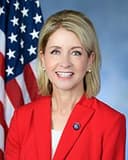
SPONSORSHIP
1 + 13
R· Illinois
YRS IN OFFICE
5
BILLS LED
36
COSPONSOR BREAKDOWNBIPARTISAN · 0%
DEM 0 REP 13 IND 0
ACTION TIMELINE
2 EVENTSSEP 19
Introduced in House
SEP 19
Referred to the House Committee on the Judiciary.
BILL INFO
TypeHouse Joint Resolution
NumberHJRES 127
Congress119th
StatusIn Committee
IntroducedSep 19, 2025
Last actionSep 19, 2025
READER REACTIONS
OVERALL SENTIMENT
No reactions yet. Be the first to weigh in.
Discussion
Loading comments...
IN COMMITTEE· 119TH CONGRESS · JUDICIARY COMMITTEE · INTRODUCED SEP 19, 2025
House Joint Res.HJRES 127Families
Proposing an amendment to the Constitution of the United States relating to parental rights.
INTRODUCED SEP 19, 2025· LAST ACTION SEP 19, 2025
PASSAGE CHANCES
—%
READING
1 min
COSPONSORS
13
COMPLEXITY
Moderate