Bills · HJRES 111
IN COMMITTEE· 119TH CONGRESS
House Joint Res.HJRES 111Washington StateCalifornia
Providing for congressional disapproval under chapter 8 of title 5, United States Code, of the rule submitted by the United States Fish and Wildlife Service relating to "Barred Owl Management Strategy".
INTRO JUL 23· LAST ACTION JUL 23
READING
1MIN
COSPONSORS
42BIPARTISAN
READER REACTIONS0 TOTAL
NO VOTES YET · BE THE FIRST
- Introduced only
LEGISLATIVE PROGRESS
STEP 2 / 8Introduced
In Committee
Reported
Passed House
Passed Senate
Conference
To President
Became Law
WHAT THE BILL DOES
AI-writtenThis bill matters because it represents a direct challenge from Congress to an executive branch agency's authority and expertise in wildlife management. If it becomes law, it means that the federal government will not implement its specific plan for managing barred owls, which could have implications for ecosystems where these owls are present.
For example, barred owls are known to compete with and displace endangered northern spotted owls. If the FWS's strategy aimed to mitigate this competition, then blocking it could affect efforts to protect the spotted owl. More broadly, it highlights how Congress can use its oversight powers to overrule agency regulations, potentially making agencies more cautious about implementing new rules if they anticipate congressional disapproval.
KEY PROVISIONS
3AI-extractedPROVISION 01
This bill officially disapproves the "Barred Owl Management Strategy" rule issued by the United States Fish and Wildlife Service (FWS).
This action directly prevents the FWS's specific plan for managing barred owls from being put into effect.
PROVISION 02
It declares that the disapproved rule will have no legal force or effect.
This ensures the FWS cannot proceed with implementing any part of the barred owl management strategy.
PROVISION 03
By using the Congressional Review Act (Chapter 8 of Title 5, United States Code), this bill also prevents the FWS from issuing any future rule that is substantially similar to the disapproved one, unless Congress passes a new law to authorize it.
This significantly limits the FWS's ability to address barred owl management through similar regulatory actions in the future without direct legislative approval.
SPONSORSHIP
1 + 42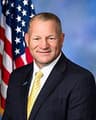
R· Texas
YRS IN OFFICE
5
BILLS LED
31
COSPONSOR BREAKDOWNBIPARTISAN · 71%
DEM 15 REP 27 IND 0
ACTION TIMELINE
2 EVENTSJUL 23
Introduced in House
JUL 23
Referred to the House Committee on Natural Resources.
BILL INFO
TypeHouse Joint Resolution
NumberHJRES 111
Congress119th
StatusIn Committee
IntroducedJul 23, 2025
Last actionJul 23, 2025
READER REACTIONS
OVERALL SENTIMENT
No reactions yet. Be the first to weigh in.
Discussion
Loading comments...
IN COMMITTEE· 119TH CONGRESS · NATURAL RESOURCES COMMITTEE · INTRODUCED JUL 23, 2025
House Joint Res.HJRES 111Washington StateCalifornia
Providing for congressional disapproval under chapter 8 of title 5, United States Code, of the rule submitted by the United States Fish and Wildlife Service relating to "Barred Owl Management Strategy".
INTRODUCED JUL 23, 2025· LAST ACTION JUL 23, 2025
PASSAGE CHANCES
—%
READING
1 min
COSPONSORS
42
COMPLEXITY
Moderate