Expressing support for the recognition of September 26, 2026, as "World Contraception Day" and expressing the sense of the House of Representatives regarding global and domestic access to contraception.
Recognizes World Contraception Day and urges broader, more affordable access to contraception at home and abroad.
In two House committees since Oct. 1, 2026, 7 days after it was introduced. Most bills never leave committee.
- INTRODUCEDINTROOCT 1, 2026
- COMMITTEECOMM.IN COMMITTEE
- HOUSEHOUSE—
- SENATESENATE—
What the bill would do, and why it matters
Access to contraception depends on whether people can obtain and afford methods that fit their needs. The resolution would recognize September 26, 2026, as World Contraception Day and urge federal policymakers to expand affordable access, coverage, education, and support for contraception programs. It also calls for action to address disparities in reproductive health care.
- NOT A LAW A concurrent resolution is adopted by both chambers but is not signed by the President and does not carry the force of law. Common uses are setting the budget framework, scheduling adjournment, or expressing the will of Congress.
- COMMEMORATIVE This measure honors, congratulates or commemorates, or marks an observance such as an awareness day or month. It creates no legal obligations.
- DATA NOTE No Congressional Research Service summary was available.
- Urges broad access to contraception
The resolution would call on Congress and the administration to support universal access to free or affordable contraception and to protect people's ability to decide whether and when to have children.
- Calls for expanded coverage and funding
It would urge affordable, consistent insurance coverage for reproductive health care, including contraception without a prescription or cost sharing, and support for domestic and global programs that provide contraception.
- Supports wider access to contraception methods
It would urge expanded access to over-the-counter birth control and other contraceptive methods, and more training for primary care doctors in counseling and care for highly effective reversible methods.
- Calls for education and fewer disparities
It would urge comprehensive, gender-inclusive sex education and patient counseling, evidence-based laws, and efforts to address reproductive health disparities related to race, disability, immigration status, gender identity, and sexual orientation.
The resolution cites barriers to obtaining contraception, including affordability, provider availability, discrimination, and limits on access to particular methods. It also points to a history of coercion and mistreatment in reproductive health care, which it says has contributed to mistrust in some communities.
The resolution presents access to contraception as connected to people's ability to plan their families and to broader health and economic outcomes. Its proposals would put the House on record in favor of federal action on those issues.
Written from the bill text.
The path it took, step by step
- IntroducedOCT 1, 2026HOUSEOCT 1, 2026By Rep. Velázquez with 1 original cosponsorReferred to Energy and Commerce and Foreign Affairs
- SAME DAYNOWHouse committeesOCT 1, 2026ENERGY & COMMERCE · FOREIGN AFFAIRS NOWOCT 1, 2026In committee for 7 daysNo hearing yet
- 7 DAYS SO FARAgreed to in the House—HOUSE FLOOR—Not scheduled
- Senate committee—SENATE—
- Agreed to in the Senate—SENATE FLOOR—Not scheduled
- OCT 12026OCT 1, 2026REFERREDReferred to the Committee on Energy and Commerce, and in addition to the Committee on Foreign Affairs, for a period to be subsequently determined by the Speaker, in each case for consideration of such provisions as fall within the jurisdiction of the committee concerned.
- OCT 12026OCT 1, 2026INTRODUCEDHOUSESubmitted in House
Where your members stand on it
Support from one state
Plus the sponsor, a Democrat. Every cosponsor is from one party.
Plus the sponsor, a Democrat. Every cosponsor is from one party.
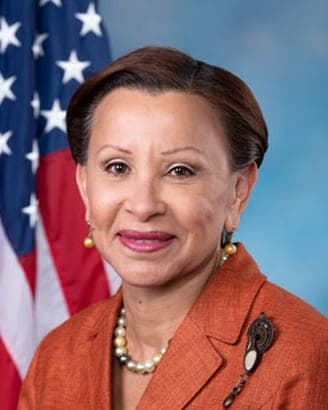
Rep. Velázquez’s record: sponsored 46 bills this Congress. 1 passed the House; 0 became law.
- Adelita S. GrijalvaD-AZ-7ORIGINAL
What readers think
Discussion
Get an alert when it changes stage, gets a floor vote in the House, or is agreed to.