Senate panel narrowly advances Mullin for DHS secretary amid bipartisan concerns
Warner questioned whether Mullin would pursue reforms at Immigration and Customs Enforcement.
SOURCE CHECK
TAP FOR WHYWSET is an established local television news outlet, and the article names its reporter and attributes Warner’s statements. The short report offers limited sourcing and detail about the hearing beyond a concise account.
- Source type — Established local news broadcaster; a credible but regional source.
- Author attribution — A reporter is named, and the article identifies the reporter's interview with Warner.
- Editorial standards — The article is presented as straightforward news, but the short text provides limited evidence about its standards.
- Source diversity — The report includes Warner's comments and a brief account of Mullin's defense, but few direct sources.
The article provides the committee tally, identifies the lone Democratic supporter and includes Warner’s direct comments. Its brevity leaves little detail about the hearing, the concerns raised or other lawmakers’ reasoning.
HOW WE SCORE ↗The article reports concerns from both parties, Mullin’s defense and the committee result, but gives more detail to Warner’s reservations than to supporters’ reasoning or Mullin’s response.
- Counterarguments presented — Mullin's defense and Fetterman's support are noted, but their reasoning is not developed.
- Source diversity — Warner is directly quoted; other positions are summarized briefly.
- Loaded language — The report uses terms such as contentious and sharp questioning, but attributes concerns to lawmakers.
- Omitted context — The concise account gives limited detail about the hearing and the competing arguments.
The report uses mostly neutral language, describes criticism and Mullin’s defense, and attributes the skeptical assessment to Warner rather than presenting it as the article’s own conclusion.
- Language tone — Mostly descriptive language, with criticism attributed to lawmakers.
- Source selection — Includes Warner's critical comments and notes Mullin's defense and Fetterman's support.
- Framing — The headline and article focus on the committee advancement and bipartisan concerns without an explicit editorial verdict.
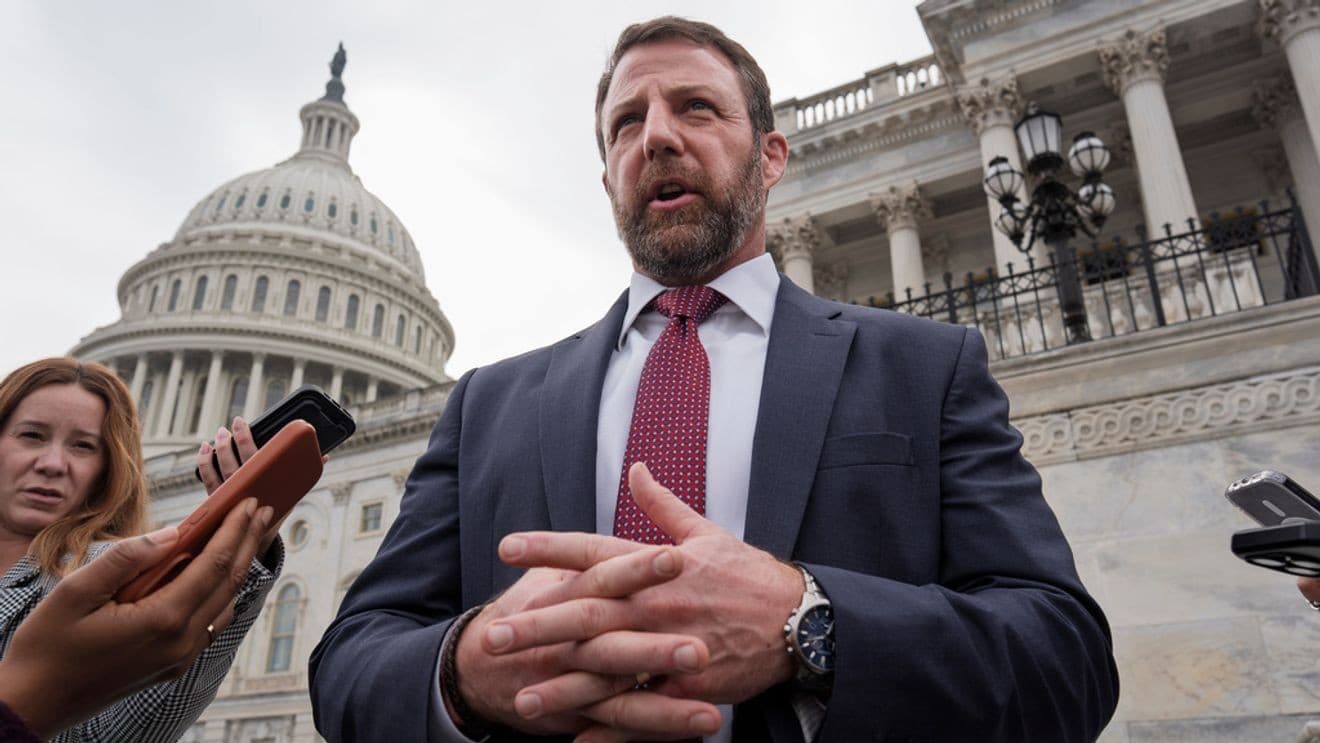
A Senate committee voted 8–7 to advance Markwayne Mullin’s nomination to lead the Department of Homeland Security after contentious questioning from both parties. Senator Mark Warner questioned whether Mullin would pursue reforms at Immigration and Customs Enforcement.
At Mullin’s confirmation hearing, lawmakers raised concerns about his temperament and past comments. Mullin defended his record, pledged to restore trust in the agency and supported immigration policies aligned with President Donald Trump. The committee voted 8–7 to advance his nomination, with John Fetterman the only Democrat voting with Republicans in support.
Warner said the near-unanimous Democratic opposition was compelling and expressed doubt that Mullin would pursue reforms at Immigration and Customs Enforcement, saying he had not received sufficient assurances during the hearing. The article reported that the full Senate was expected to vote in the coming days.
Community verdict
22 VOTES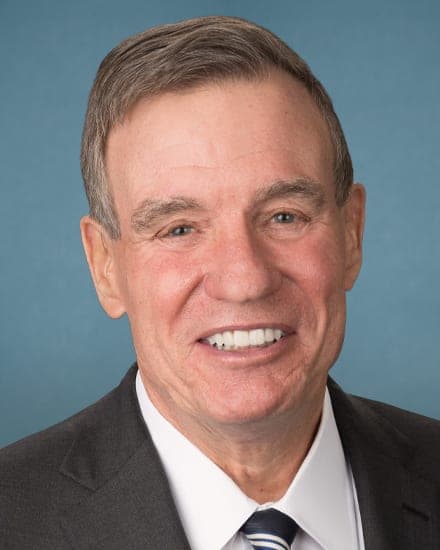
People in this story
SWIPE →Senator questioning Mullin's qualifications and proposed reforms
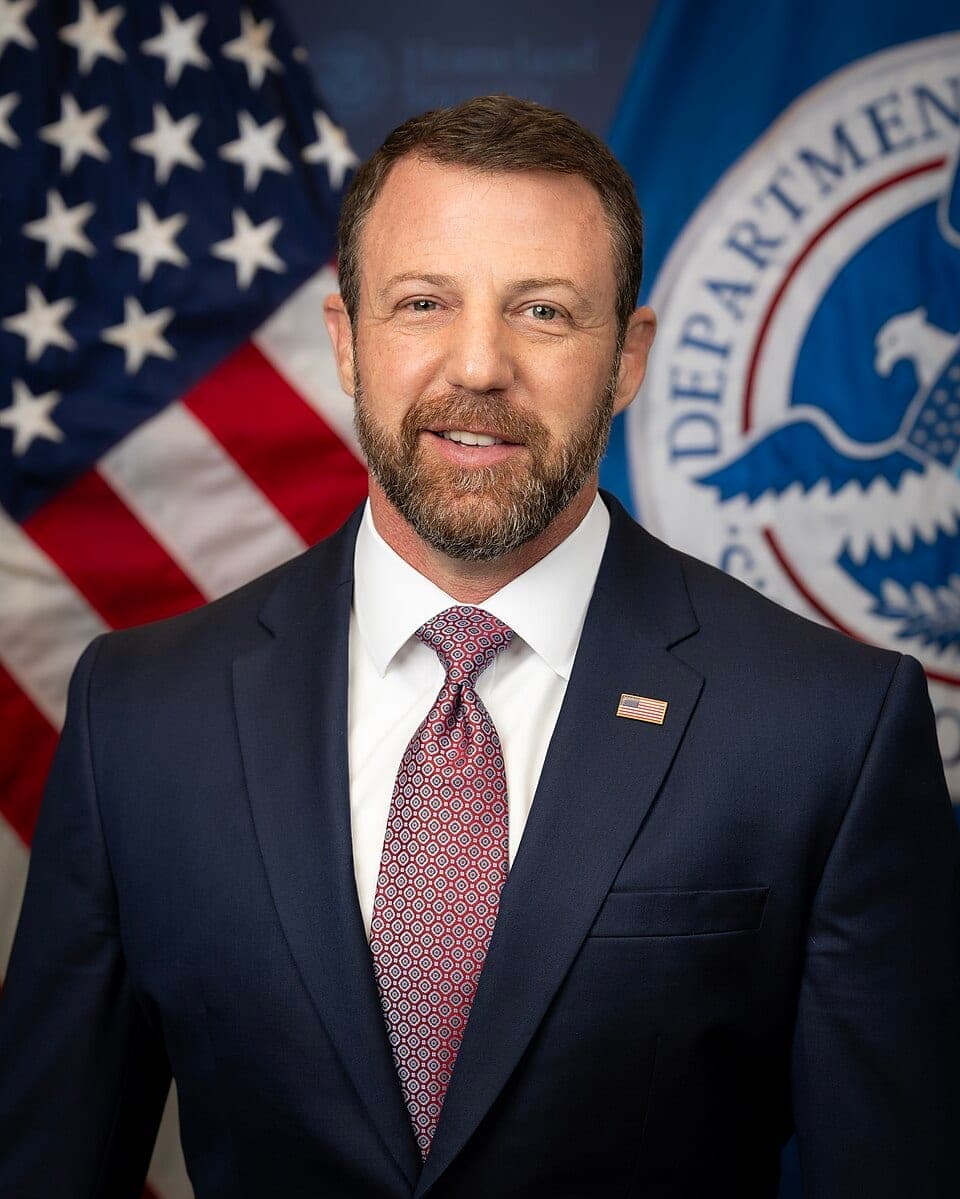
Nominee for secretary of Homeland Security
Mullin's version of this story ↗
President whose immigration policies Mullin supports
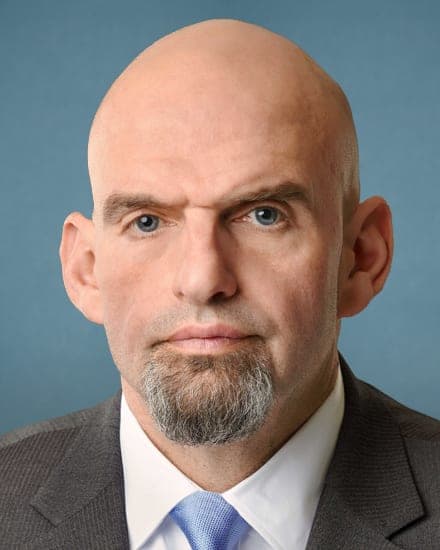
Senator who voted to advance Mullin's nomination

Senator who criticized Mullin during the confirmation hearing
Discussion · 0
Loading comments…