More than half of House Democrats vote to cut Israel aid in growing split
Jeffries opposed the amendment to eliminate the aid and said U.S. policy in the Middle East needed to change.

SOURCE CHECK
TAP FOR WHYCredibility rates WRAL.com, where this article appeared. The other scores rate the article itself.
The story is attributed to Associated Press congressional correspondent Lisa Mascaro and carries an AP copyright notice. AP is a major wire service with established editorial standards and a corrections process.
- Source type — Associated Press is a major wire service with a strong record of original reporting.
- Author attribution — The article names Lisa Mascaro and identifies her as an AP Congressional Correspondent.
- Transparency — The page identifies AP as the source and includes an AP copyright notice.
- Editorial standards — AP is an established news organization with professional editorial and corrections practices.
The report gives the vote tally, identifies the amendment's purpose and sponsor, and includes arguments from lawmakers on opposing sides along with polling and advocacy-group perspectives. It offers useful context, though it does not detail the full vote breakdown or extensively examine the spending bill.
HOW WE SCORE ↗The article presents arguments both for and against cutting the aid and notes the division across party lines. The account is not a full exploration of the policy debate, but it includes more than one political and advocacy perspective.
- Counterarguments presented — Massie's case for redirecting the aid is set against Hoyer's national-security objection and Jeffries' opposition to the amendment.
- Source diversity — The report quotes lawmakers on opposing sides and describes views from AIPAC and J Street.
- Omitted context — The article gives limited detail on the broader spending bill and the specific vote breakdown.
- Loaded language — Partisan labels and judgments are generally attributed to the people or groups making them.
The article reports the vote and competing positions in largely neutral language. It attributes partisan characterizations and advocacy-group claims rather than adopting them as its own.
- Language tone — The narrative is mostly factual, with evaluative descriptions attributed or tied to the vote's political context.
- Source selection — The report includes lawmakers opposing and supporting the amendment, as well as advocacy-group perspectives.
- Framing — The story frames the vote as evidence of a political divide but presents positions from different sides.
Original publisher not identified
This article credits another publisher, which ChamberLight has not identified, so the scores are WRAL.com's own.
More than half of House Democrats voted for an amendment to strip $3.3 billion in U.S. aid from Israel, but it failed 104-314. The vote highlighted growing divisions over U.S. support for Israel and the war in Gaza.
The amendment, offered by Rep. Thomas Massie, would have removed $3.3 billion in aid from a broader national security spending bill. It failed 104-314. Massie argued that the money could be better spent on domestic needs, while Rep. Steny Hoyer warned that ending the aid would undermine U.S. national security.
House Democratic leaders were divided: Hakeem Jeffries opposed the measure while calling for changes in U.S. policy, and Katherine Clark supported it. The article describes the vote as a test of shifting views among Democrats and notes that most Republicans voted to preserve the aid.
Community verdict
37 VOTES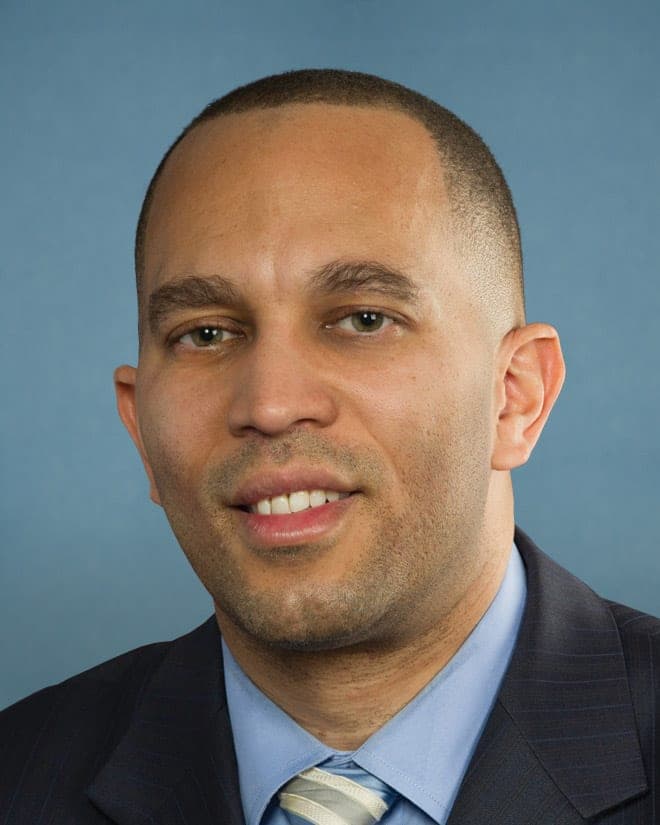
People in this story
SWIPE →House Democratic leader who opposed the amendment while calling for changes in U.S. policy

Representative who offered the amendment to strip aid from Israel
Massie's version of this story ↗
Speaker of the House described as facing divisions among House Republicans

President whose support for Massie's challenger is mentioned
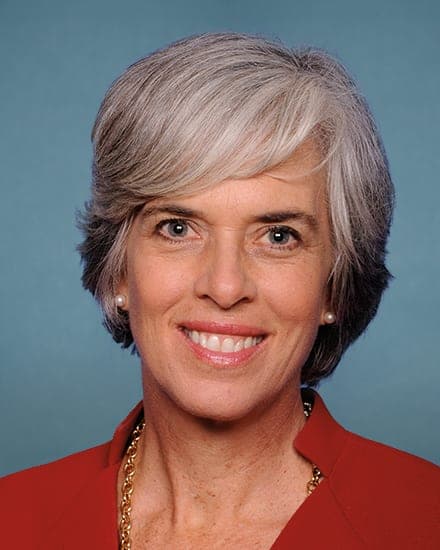
House Democratic Whip who supported the amendment
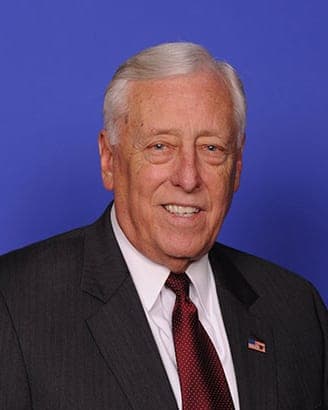
Maryland representative who opposed the amendment
Part of a bigger story
14 OUTLETSOutlets agree the House rejected an amendment to cut U.S. aid to Israel, with House Minority Leader Hakeem Jeffries opposing the measure. Left-leaning outlets, such as Alaska Native News, emphasize progressive backlash rebuking Jeffries for voting against the aid cutoff. Center outlets focus on the widening divide within the party and between House Democratic leaders. Right-leaning outlets, such as The Daily Caller, highlight internal Democratic conflict while reporting Jeffries's opposition to the measure.
- ARTICLES
- 14
- OUTLETS
- 14
- AVG CRED
- 67
Discussion · 0
Loading comments…