After Lindsey Graham's death, questions linger about aging politicians and health transparency
The article recounts Trump’s statements about his health and criticism of the detail in his medical disclosures.
SOURCE CHECK
TAP FOR WHYCredibility rates WRAL.com, where this article appeared. The other scores rate the article itself.
The reporting is attributed to The Associated Press, a major wire service with established editorial standards. The article identifies its contributing writers and carries an AP copyright notice.
- Source type — Associated Press reporting, a major wire service with a strong record of factual reporting.
- Author attribution — The article names its AP reporter and additional contributing writers.
- Transparency — The AP copyright notice clearly identifies the reporting source.
- Editorial standards — The wire-service origin supports confidence in established editorial processes.
The article includes attributed statements from lawmakers and distinguishes a preliminary medical examiner’s report from other claims. It presents both calls for transparency and concerns about privacy, though several historical health episodes receive limited supporting detail or context.
HOW WE SCORE ↗The article presents arguments for greater transparency and for respecting medical privacy, alongside examples involving several politicians. It gives more space to limited disclosure and speculation than to detailed defenses of privacy or the individuals’ medical circumstances.
- Counterarguments presented — Rand Paul questions the limits of the public’s right to know, providing a privacy-oriented counterpoint.
- Source diversity — Uses statements from several lawmakers and references medical reporting and public disclosures.
- Omitted context — Some health episodes are summarized with limited medical detail or response from the people discussed.
- Loaded language — The article uses some pointed descriptions of public speculation but generally attributes contested statements.
The article uses a largely neutral news style, attributing claims and statements to their sources. It includes both calls for health transparency and concerns about privacy without clearly endorsing either position.
- Language tone — Mostly descriptive language, with claims attributed to speakers or reports.
- Source selection — Includes lawmakers expressing differing views about public access to health information.
- Framing — Frames the events as a broader debate about aging politicians and transparency.
Original publisher not identified
This article credits another publisher, which ChamberLight has not identified, so the scores are WRAL.com's own.
Sen. Lindsey Graham’s death and Mitch McConnell’s hospitalization have renewed debate over health transparency among aging politicians. The article also examines disclosures and health reporting involving President Donald Trump and other current and former lawmakers.
Graham, who was 71, died on Saturday after suffering a tear in his aorta, according to a preliminary medical examiner’s report. McConnell disclosed that a fall led to his hospitalization and that he was briefly unconscious and treated for mild pneumonia. Sen. John Cornyn said more transparency could have resolved questions, while Sen. Rand Paul questioned how far the public’s right to know should extend.
The article describes limited details in Trump’s health disclosures and recounts health-related events involving Rep. Tom Kean Jr., Sen. John Fetterman, former President Joe Biden, former Sen. Dianne Feinstein, former Rep. Kay Granger and Del. Eleanor Holmes Norton. Kean said he had been treated for depression; Fetterman disclosed his hospitalization for clinical depression the day after admission.
Community verdict
VOTING CLOSED
No good or bad look here
This story reports what happened without casting Trump in a good or bad light, so readers don’t rate it and it doesn’t count toward Trump’s record.
People in this story
SWIPE →President discussed in connection with his public health disclosures and medical reporting
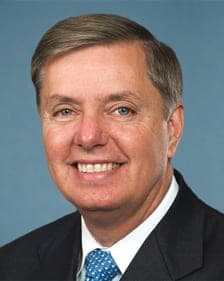
Senator whose death renewed discussion of lawmakers’ age and health transparency
Graham's version of this story ↗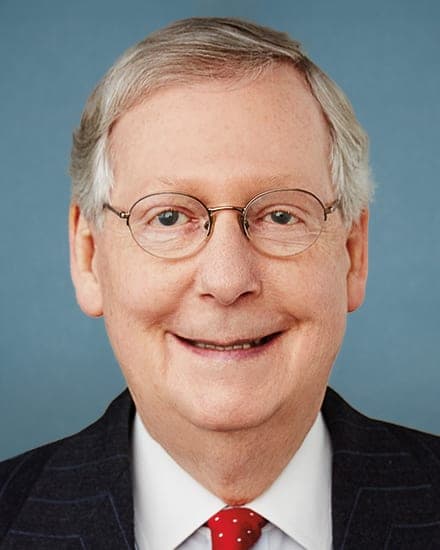
Senator whose hospitalization and health disclosure are central examples in the transparency debate
McConnell's version of this story ↗
Representative and former White House doctor who praised Trump’s health

House delegate who announced she would not seek reelection amid questions about her competency
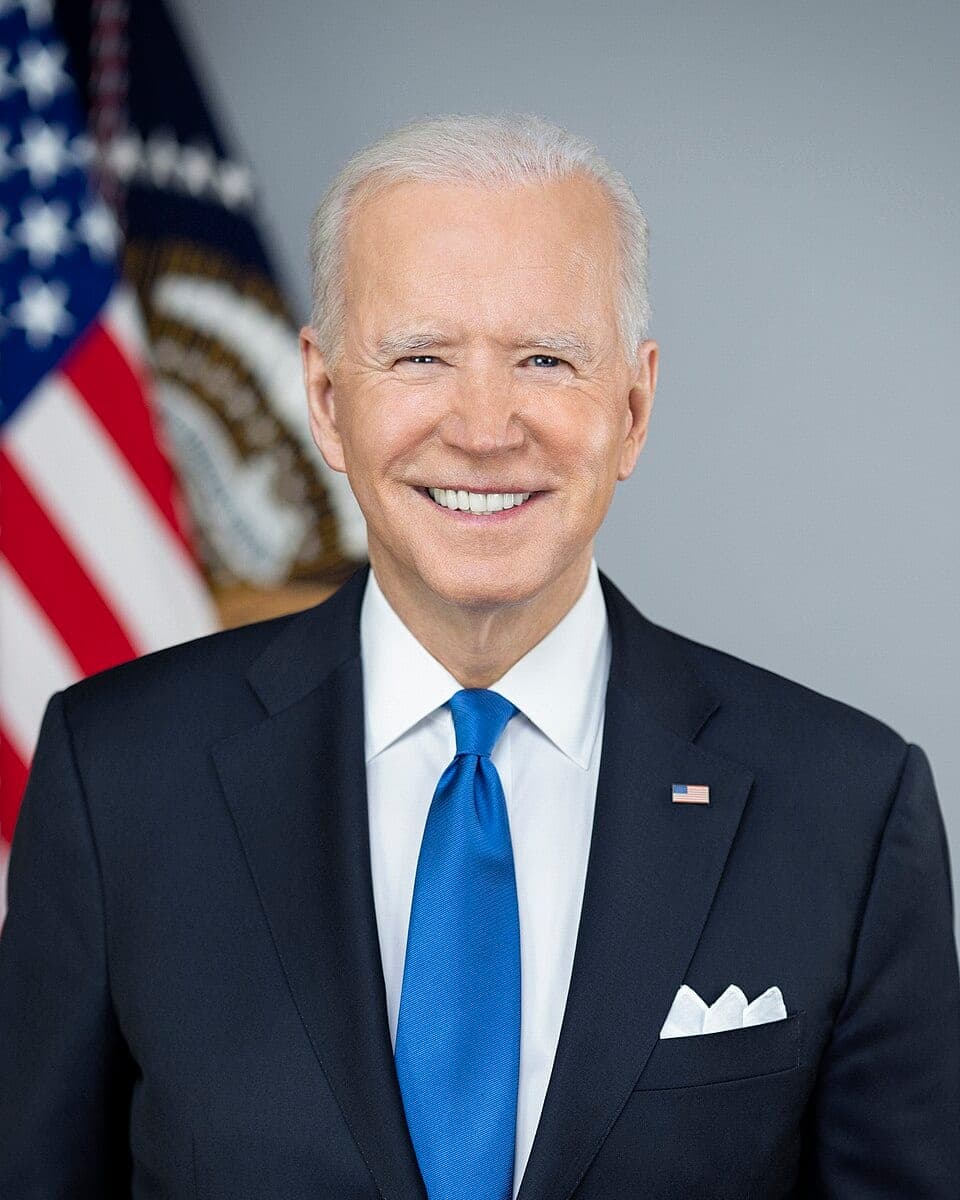
Former president whose health and 2024 reelection campaign are discussed
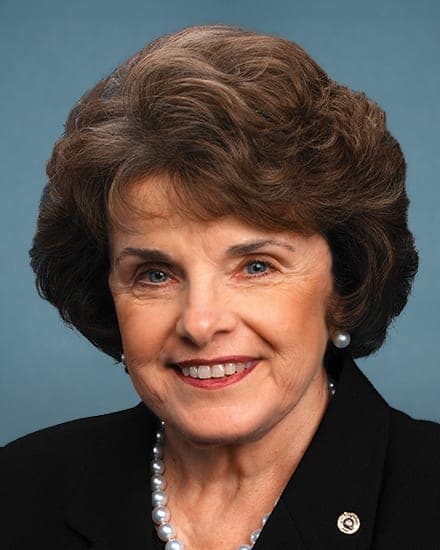
Former senator discussed as an example of health challenges while serving in office
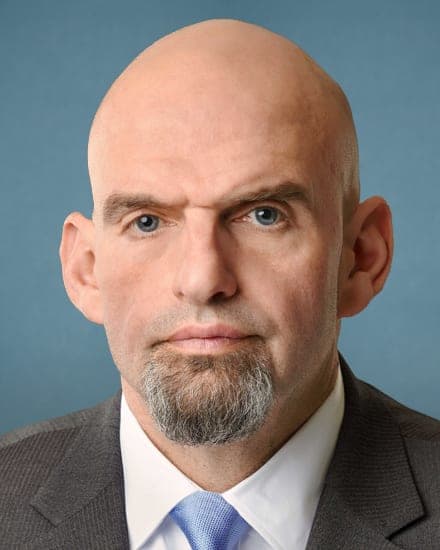
Senator whose hospitalization for clinical depression is presented as a contrast in disclosure
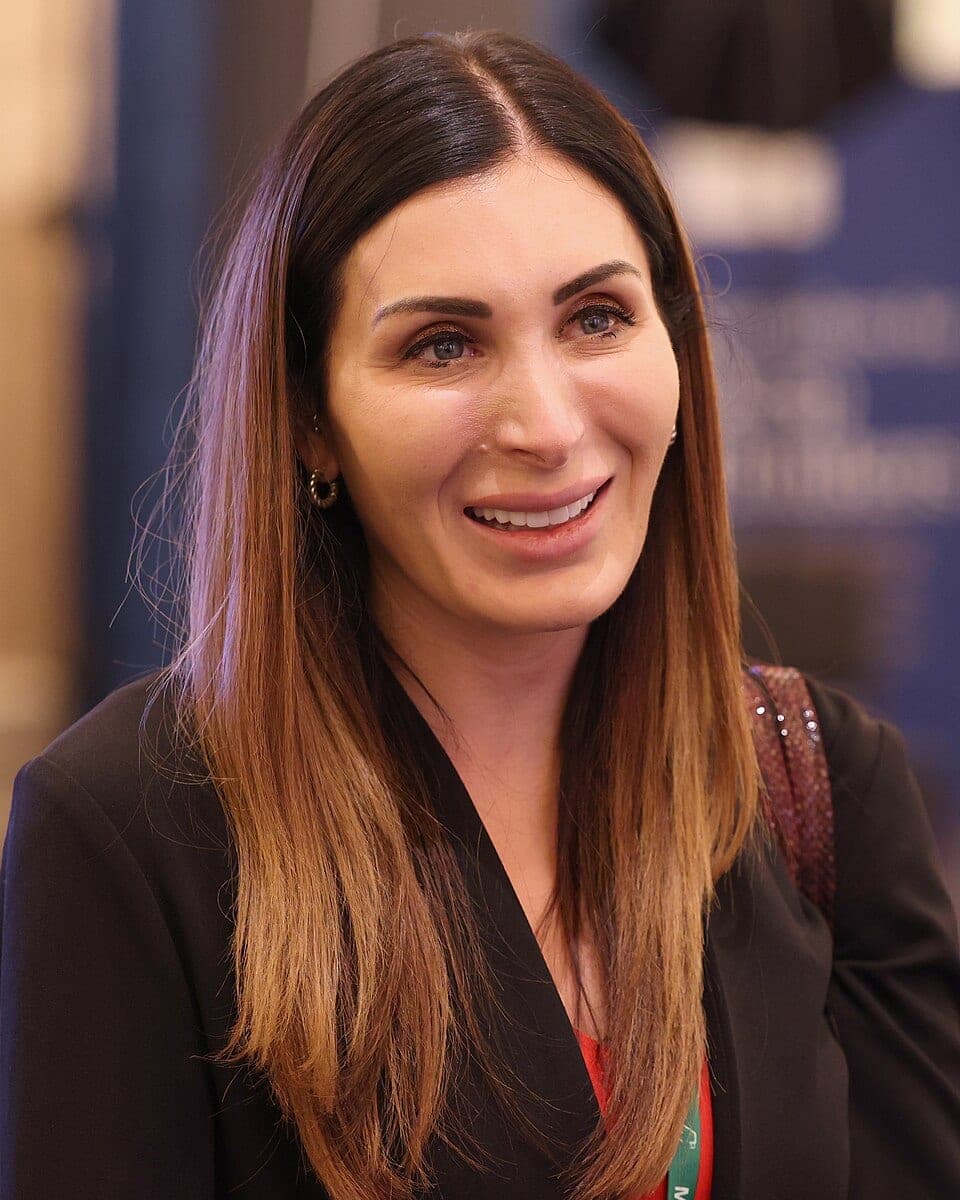
Trump ally whose social media claim fueled speculation about McConnell’s health
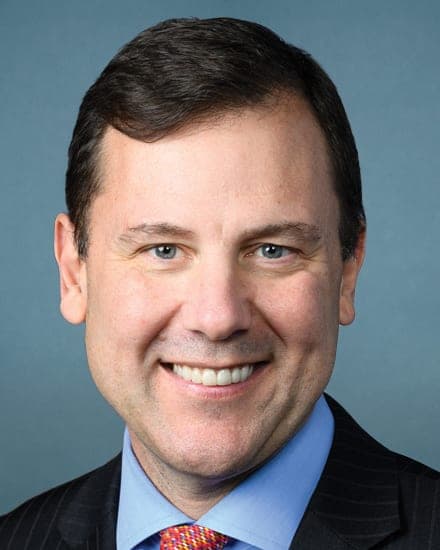
Representative who disclosed treatment for depression after an extended absence

Former representative discussed in connection with health challenges late in her congressional service
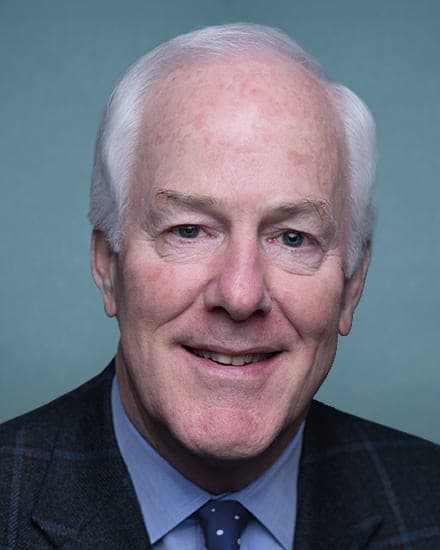
Senator who called for greater transparency about lawmakers’ health

Senator who argued that the public’s right to know about medical problems has limits
Part of a bigger story
20 OUTLETSFollowing the sudden death of 71-year-old Senator Lindsey Graham, President Donald Trump paid tribute to his ally and recounted their final phone call discussing the SAVE America Act. Left-leaning outlets question Trump's response, with Esquire arguing the president turned Graham's death into a political push for voting legislation. Center outlets focus largely on how Graham's passing renewed questions regarding health transparency among aging elected officials. Right-leaning outlets emphasize Graham's close partnership with Trump, with townhall.com framing the senator's loss as a serious blow to the administration's legislative priorities.
- ARTICLES
- 20
- OUTLETS
- 20
- AVG CRED
- 68

Discussion · 0
Loading comments…