Permanent Daylight Saving Time Plan Hits Senate Resistance Over Winter Sunlight
Cotton opposed the plan, citing concerns about children traveling to school before sunrise.

SOURCE CHECK
TAP FOR WHYWOWO is a local radio news outlet, and this article names its author and attributes statements to public officials. The text provides limited detail about sourcing and supporting evidence beyond those statements.
- Source type — A local news outlet with a regional audience.
- Author attribution — The article names an author.
- Editorial standards — The report uses attributed quotations and mostly straightforward language; the text offers little detail about editorial practices.
- Transparency — The article identifies officials as sources but provides limited supporting documentation or sourcing detail.
The article presents views from senators on both sides and gives a clear account of the regional daylight concerns and Senate scheduling constraints. It relies mainly on lawmakers' statements and provides limited independent evidence or expert context.
HOW WE SCORE ↗The article includes arguments for permanent daylight saving time as well as concerns about dark winter mornings, with several lawmakers represented. It offers little independent analysis of the competing claims.
- Counterarguments presented — Supporters' arguments about evening daylight and clock changes appear alongside opponents' concerns about winter sunrises.
- Source diversity — The report quotes or describes positions from lawmakers on both sides, though all are political sources.
- Omitted context — It gives limited independent evidence about the likely effects of either policy.
The report describes support and opposition to permanent daylight saving time in neutral terms, without a discernible partisan or ideological framing.
- Language tone — The article uses mostly descriptive language and attributes positions to lawmakers.
- Source selection — It includes voices opposing and supporting the measure.
- Framing — The framing emphasizes regional differences and legislative timing rather than endorsing a position.
President Donald Trump urged the Senate to advance permanent daylight saving time, while Sen. Tom Cotton opposed the plan over concerns about dark winter mornings. The measure faces resistance and limited Senate floor time.
The article reports that Trump urged senators to advance the Sunshine Protection Act and criticized Cotton for opposing it. Cotton said he also dislikes changing clocks but worries that permanent daylight saving time would leave children going to school in darkness. Other senators raised concerns about regional effects, while Rick Scott and Patty Murray support ending the twice-yearly clock changes.
Community verdict
VOTING CLOSED
No good or bad look here
This story reports what happened without casting Cotton in a good or bad light, so readers don’t rate it and it doesn’t count toward Cotton’s record.
People in this story
SWIPE →
President urging the Senate to advance the measure
Trump's version of this story ↗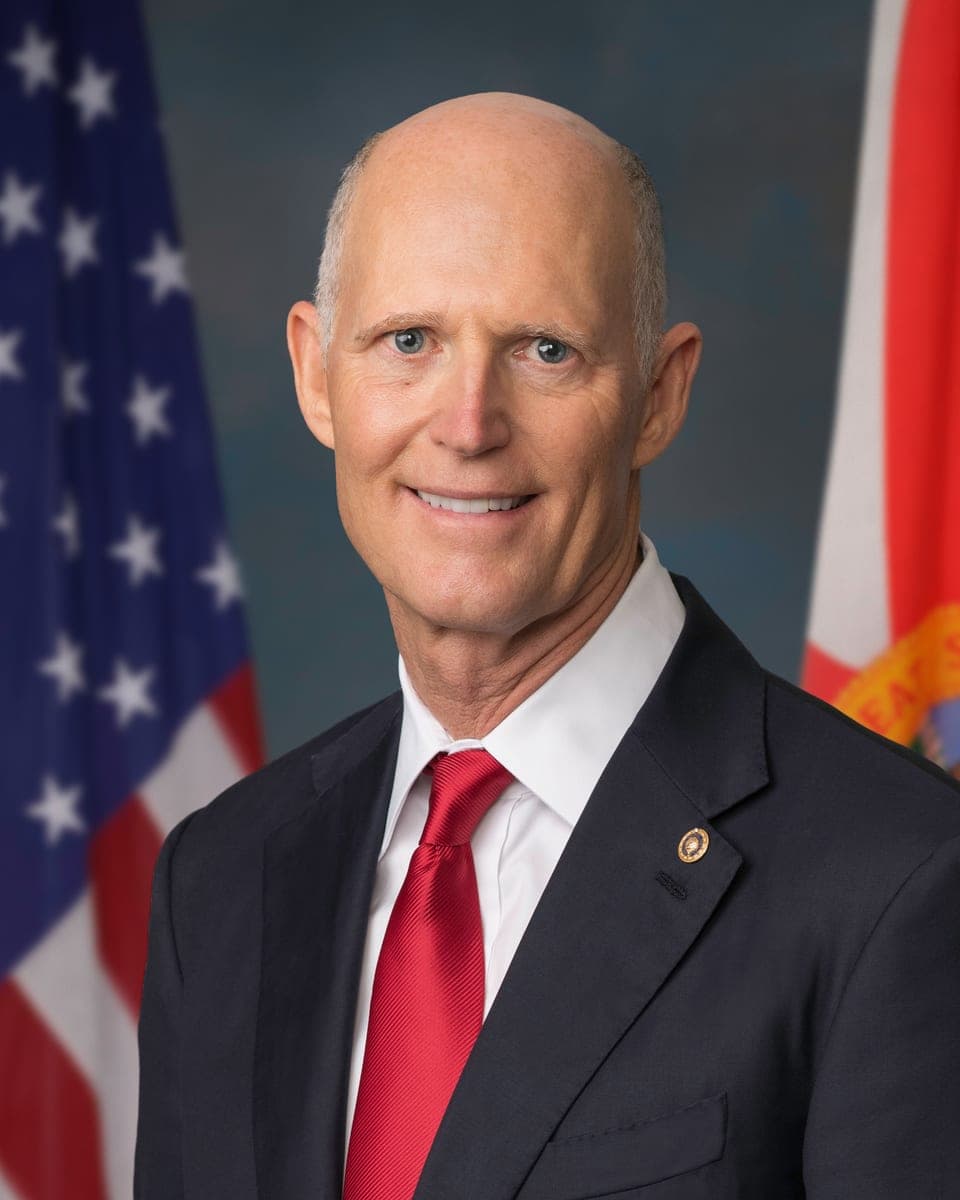
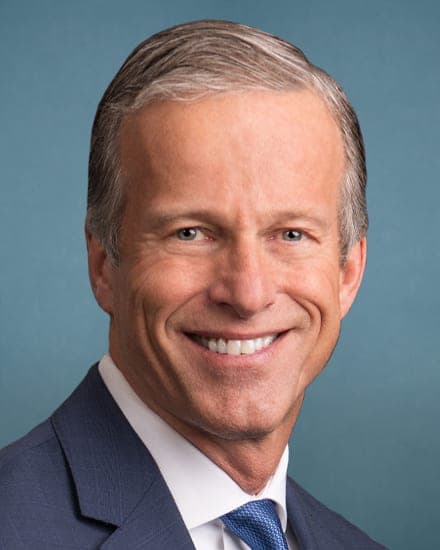
Senator who supports the Senate legislation

Senator who supports permanent daylight saving time
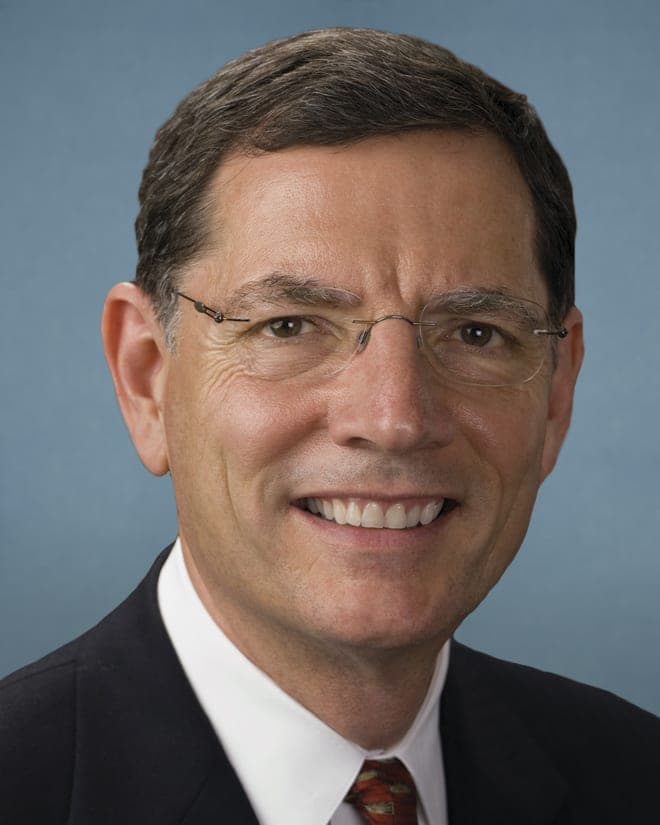
Senate majority whip discussing state-by-state effects
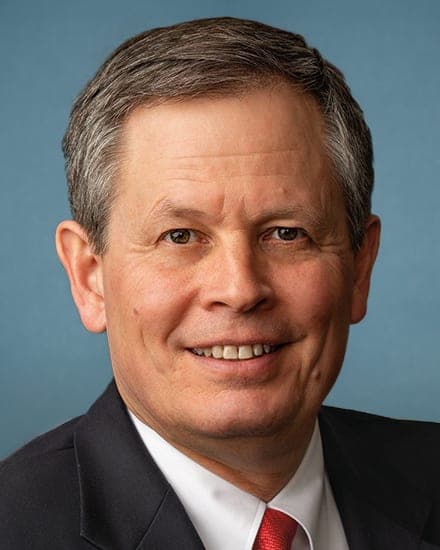
Senator who raised concerns about effects on Montana families
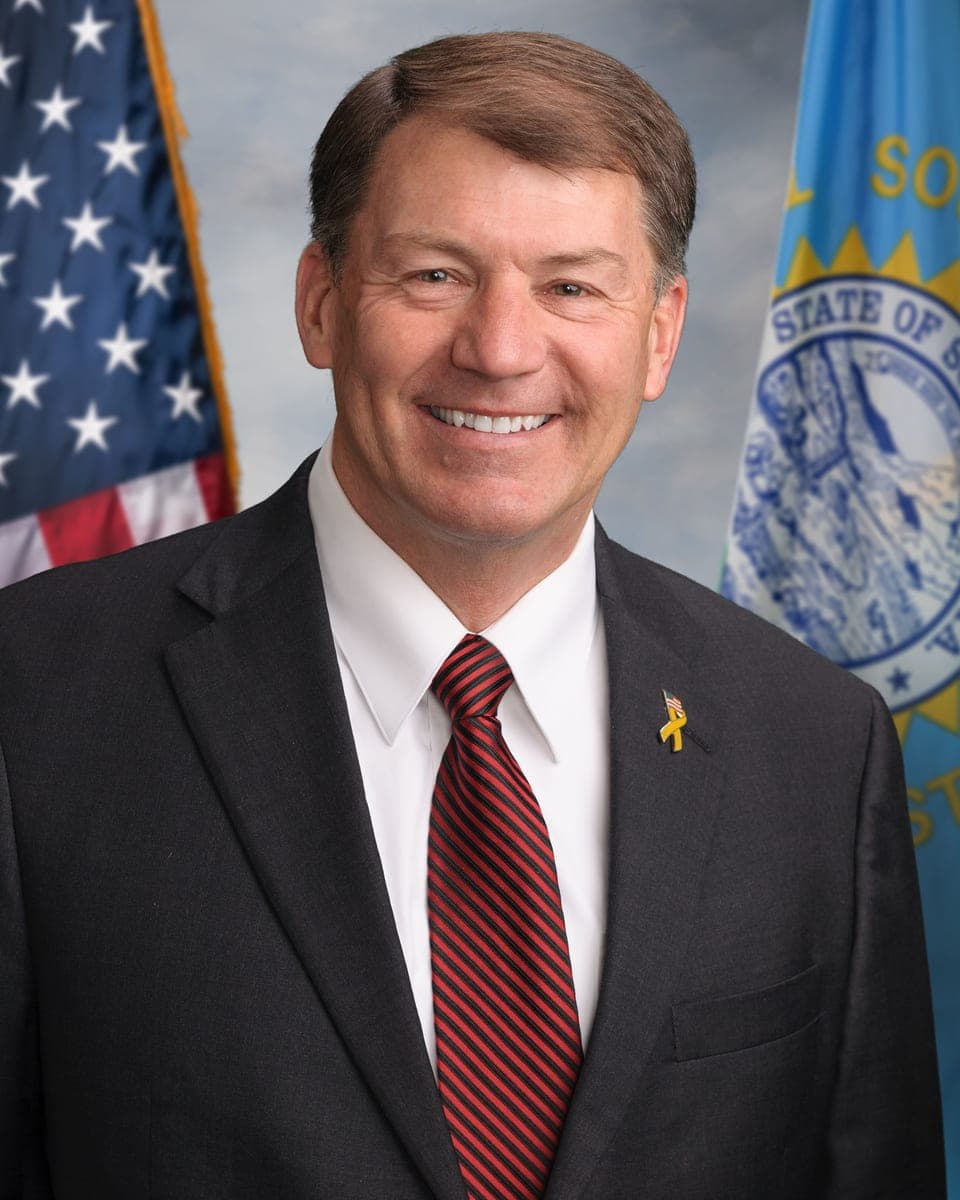
Senator who has expressed concerns about effects in western states
Part of a bigger story
58 OUTLETSTrump posted a number he said belonged to Cotton and urged Arkansans to call him about making daylight saving time permanent. Cotton opposed the change, citing dark winter mornings for children traveling to school. Left-leaning outlets emphasize the disclosure and portray Trump's pressure as inappropriate or ineffective, often centering Cotton's reply. Center outlets mainly report the post alongside the policy dispute and Cotton's concerns. Right-leaning outlets stress Trump's effort to advance the bill and often cast Cotton as holding it up, while noting his winter-sunrise concerns.
- ARTICLES
- 86
- OUTLETS
- 58
- AVG CRED
- 65
Discussion · 0
Loading comments…