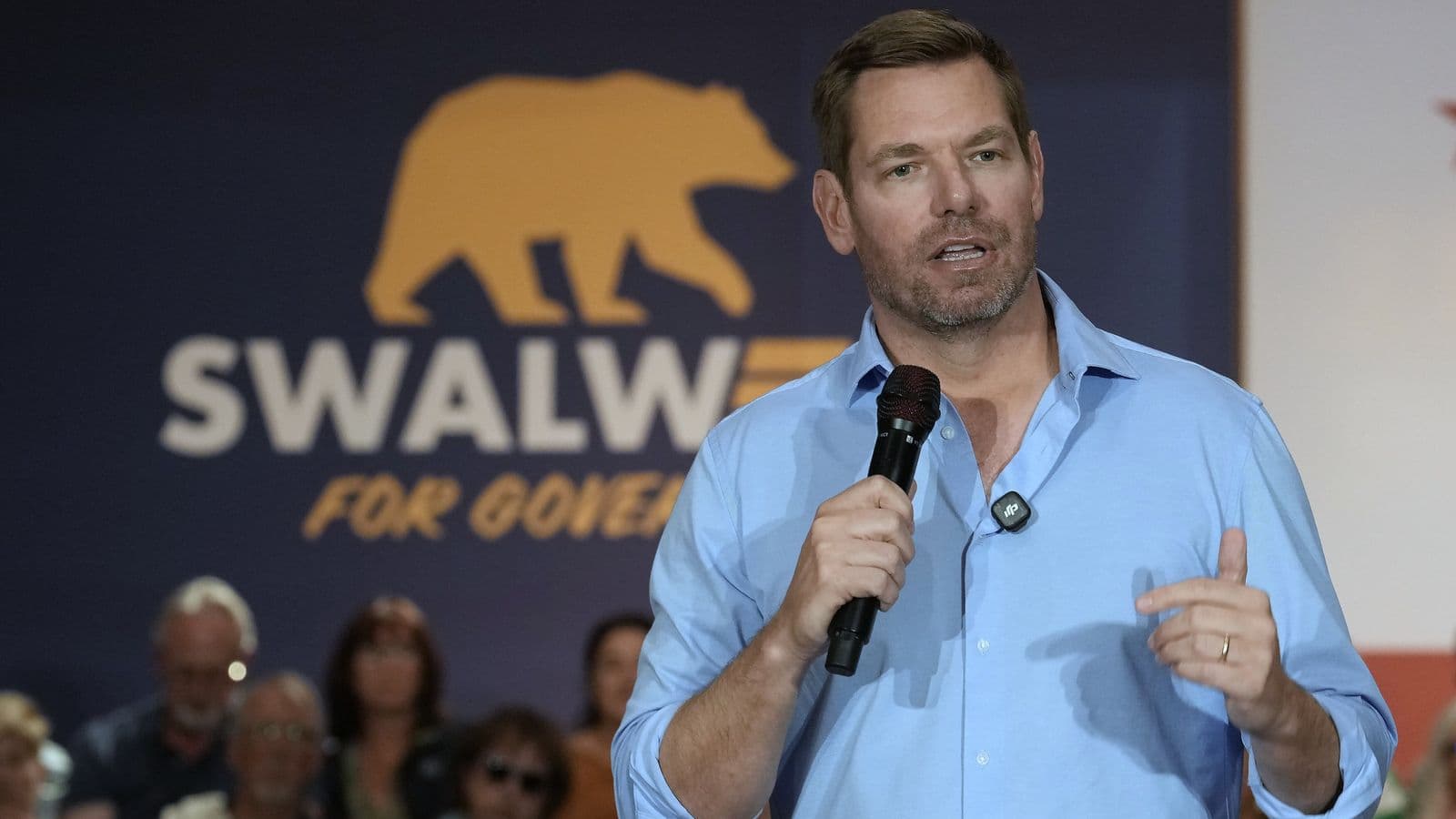
Democratic Congressman Eric Swalwell resigns amid #MeToo-style sex scandal
Swalwell resigned from the House after women accused him of sexual abuse and sending sexually explicit messages.
SOURCE CHECK
TAP FOR WHYThe World Socialist Web Site is an explicitly ideological publication, and this piece is strongly argumentative rather than a straight report. The page provides some named outlets and quotations, but the author is unidentified and several consequential claims rely on unnamed sources or the publication’s own interpretation.
- Source type — Recorded as an opinion source; the article advances a pronounced ideological argument.
- Source diversity — It cites named media reports and a public quotation, but also relies on unnamed officials and aides for key claims.
- Author attribution — No author is identified in the article metadata.
- Editorial standards — The publication’s framing is openly polemical, limiting confidence in its impartial presentation.
The article gives a chronology, names some sources, and distinguishes allegations from Swalwell’s denial in places. Its argument relies on thinly sourced claims about party strategy and makes broad conclusions about political motives and the Epstein case without establishing them in the article.
HOW WE SCORE ↗The piece includes Swalwell’s denial and Jayapal’s stated rationale, but mainly argues that the allegations were used politically and that due process was denied. It does not give meaningful responses from the Democratic figures it accuses of maneuvering or a developed account of the allegations and investigations.
- Counterarguments presented — Swalwell’s denial is included, but the article does not substantively present the accusers’ accounts beyond summarizing the allegations.
- Loaded language — Terms such as “witch-hunters” and “totally undemocratic ethos” convey a strong verdict.
- Opinion vs reporting — The piece moves from reporting events to asserting political motives and judging the #MeToo movement.
- Source diversity — It cites several outlets and public figures but does not provide a range of informed perspectives on its central claims.
The article uses a left-wing anti-establishment frame, condemning both parties while especially attacking Democratic leaders and the #MeToo movement. It also criticizes Trump and his administration, so its framing is not simply aligned with Republicans.
- Language tone — Uses charged terms such as “witch-hunters” and “run-of-the-mill capitalist politician.”
- Framing — Presents the resignations as part of a broader critique of capitalist politics and the #MeToo movement.
- Source selection — Uses quotations from lawmakers and media accounts, but offers little response from those accused of political maneuvering.
- Headline — The headline foregrounds Swalwell’s resignation and scandal without an explicit partisan judgment.
Eric Swalwell resigned from the House after sexual-abuse allegations were reported, and Tony Gonzales also resigned amid scrutiny over a staff relationship. The article argues that the departures reflect political maneuvering and criticizes calls to expel the men before allegations are tested.
The article reports that Swalwell resigned on April 14 after four women accused him of sexual abuse or sending sexually explicit messages. Swalwell called the specific allegations false, apologized to his family, and acknowledged “mistakes in judgment.” The House Ethics Committee announced a probe, and the Manhattan district attorney’s office launched a criminal investigation. The article also says Gonzales resigned after previously acknowledging a relationship with a staffer who later died by suicide.
The article criticizes Representative Pramila Jayapal’s support for expelling Swalwell and Gonzales, arguing that the men were denied due process. It further alleges that Democratic leaders used the Swalwell scandal to affect California’s gubernatorial race and frames both resignations in the context of party politics and the Epstein case.
Community verdict
21 VOTES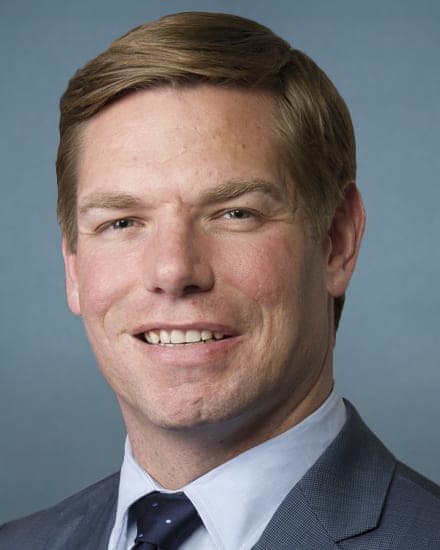
People in this story
SWIPE →California representative who resigned after sexual-abuse allegations and the suspension of his gubernatorial campaign
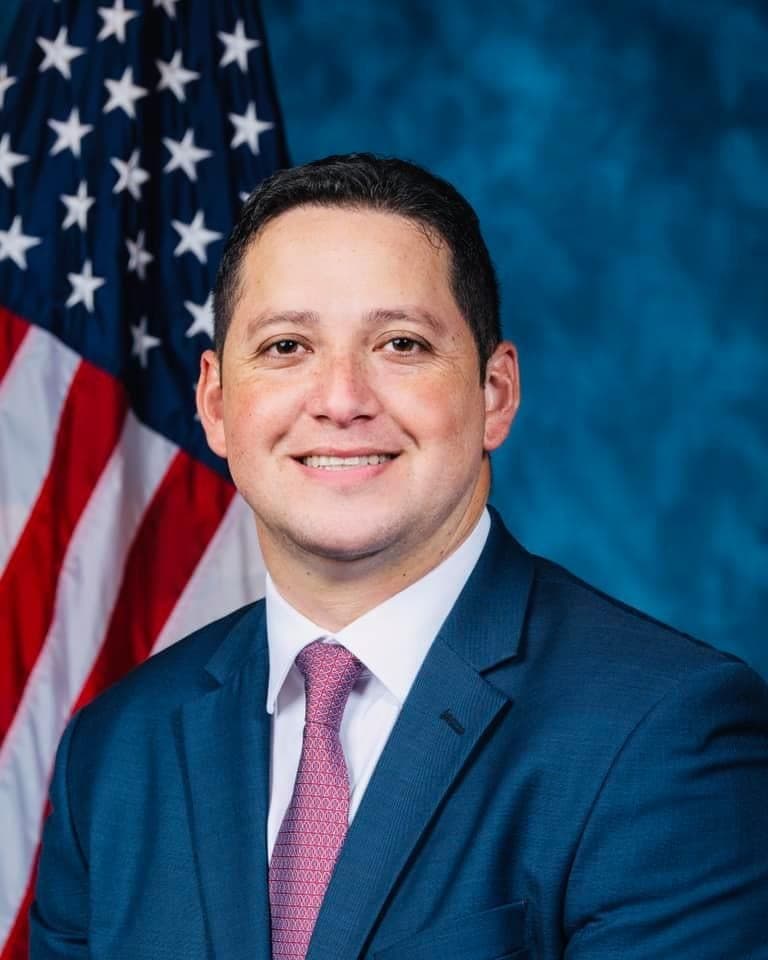
Texas representative who resigned amid scrutiny over a relationship with a staffer
Gonzales's version of this story ↗
Former attorney general who the article says refused to appear before a House committee after receiving a subpoena
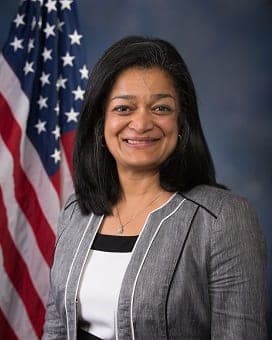
Washington representative who said she would vote to expel Swalwell and Gonzales

President discussed in connection with immigration policy and the Epstein matter
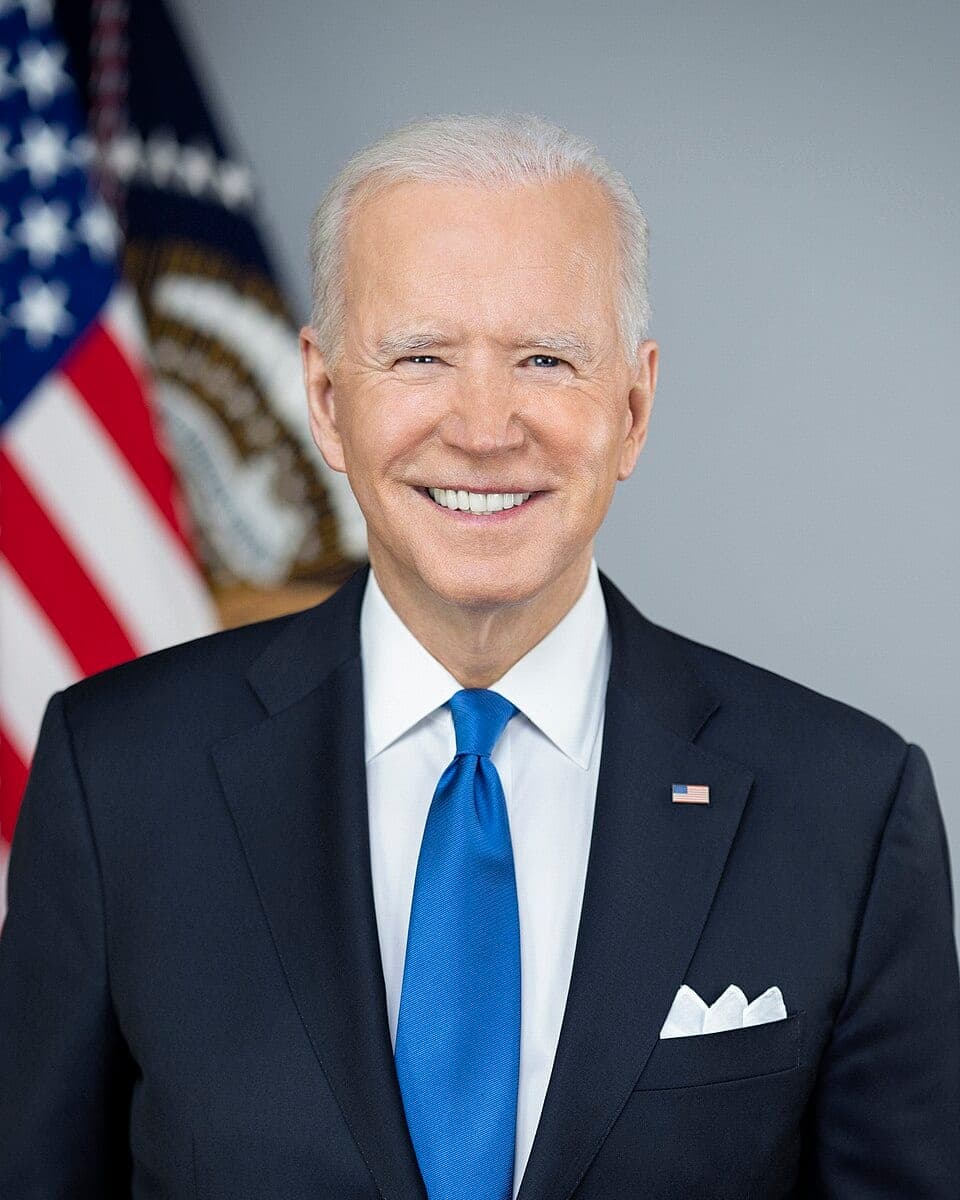
Former President mentioned in the article’s comparison of administrations’ handling of the Epstein matter
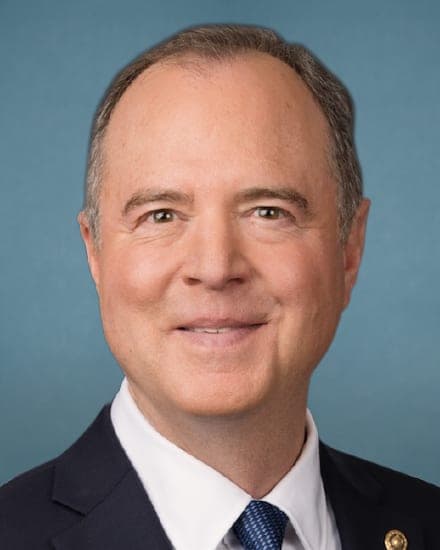
California senator who called on Swalwell to end his campaign
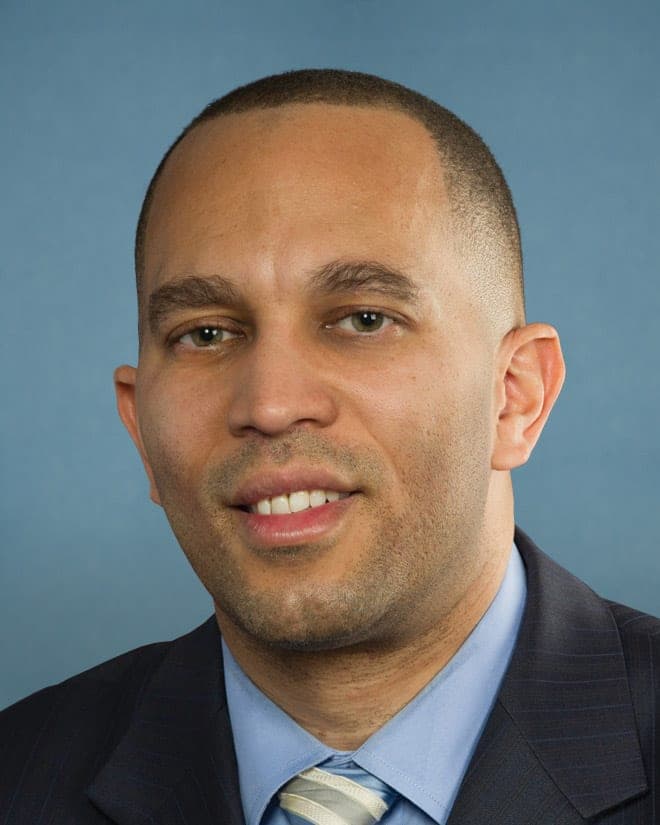
House Minority Leader who called on Swalwell to end his gubernatorial campaign
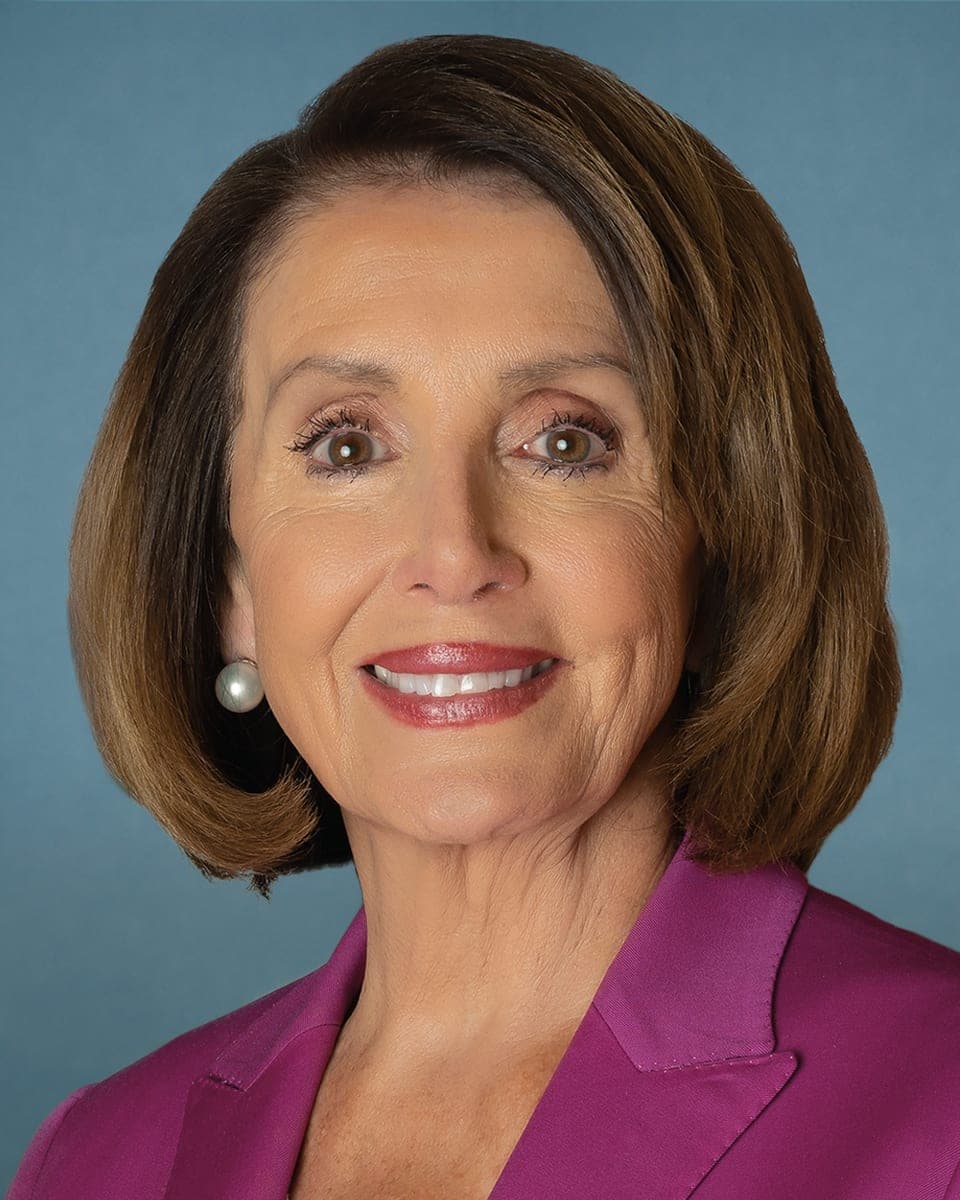
Former House Speaker who called on Swalwell to end his campaign
Part of a bigger story
14 OUTLETSOutlets agree Swalwell announced he would resign from Congress after withdrawing from California’s gubernatorial race, amid sexual misconduct allegations that he denied. Left-leaning outlets frame the resignation as political maneuvering and question calls to expel lawmakers before allegations are tested. Center outlets emphasize allegations, denials, investigations and colleagues’ responses, alongside consequences for Swalwell’s seat and gubernatorial race. Right-leaning outlets connect the allegations to calls for accountability and Democratic political fallout, including claims about party leaders and changes in the California race.
- ARTICLES
- 18
- OUTLETS
- 14
- AVG CRED
- 57
Discussion · 0
Loading comments…