Democrats across the U.S. are showing a strong desire for change
Markey won the primary after campaigning on his record and arguing that his challenger was out of step with Massachusetts voters.

SOURCE CHECK
TAP FOR WHYCredibility rates WLKY, where this article appeared. The other scores rate the article itself.
WLKY is an established local news outlet, and the article identifies Associated Press reporting and contribution. The AP attribution supports transparency, though the text gives limited information about the page’s individual author or correction practices.
- Source type — Established local-news publisher; a generally credible starting point.
- Transparency — The article identifies Associated Press reporting and names a contributing AP reporter.
- Author attribution — The article-level author is not listed in the supplied metadata.
- Editorial standards — The local-news source type suggests newsroom standards, but the supplied text does not establish specific correction practices.
The report gives campaign positions and statements from both candidates, includes a voter’s perspective, and places the Senate contest alongside other races. It offers limited independent analysis or broader context, but its factual account is reasonably specific and attributed.
HOW WE SCORE ↗The article presents both candidates’ campaign arguments and includes Moulton’s remarks and concession, along with Markey’s criticisms and positions. It provides less space for independent analysis or additional perspectives on the policy disputes.
- Counterarguments presented — Both candidates’ arguments and statements appear in the account.
- Source diversity — The story includes candidate statements and one voter, but few other independent sources.
- Omitted context — The report gives limited context for the candidates’ policy differences beyond their campaign framing.
- Loaded language — Charged descriptions are generally quoted or attributed rather than adopted by the article.
The article uses mostly straightforward election-reporting language and gives both candidates’ arguments and statements. Its focus on generational change is descriptive rather than an evident partisan endorsement.
- Language tone — Mostly neutral reporting language, with campaign characterizations attributed to the candidates.
- Source selection — Includes statements from both Markey and Moulton and a voter’s view.
- Framing — Generational change is the organizing theme, without a clear ideological preference.
Original publisher not identified
This article credits another publisher, which ChamberLight has not identified, so the scores are WLKY's own.
Ed Markey won the Massachusetts Democratic Senate primary, defeating Rep. Seth Moulton in a contest framed around generational change. The article also describes similar challenges to longtime House incumbents in Massachusetts and Connecticut.
Sen. Ed Markey defeated Rep. Seth Moulton in the Massachusetts Democratic Senate primary. Markey argued that Moulton’s positions were too moderate, while Moulton campaigned against what he called the status quo and said in his concession speech that he would support Markey. The article says the winner is expected to prevail in November’s general election.
Community verdict
10 VOTES
People in this story
SWIPE →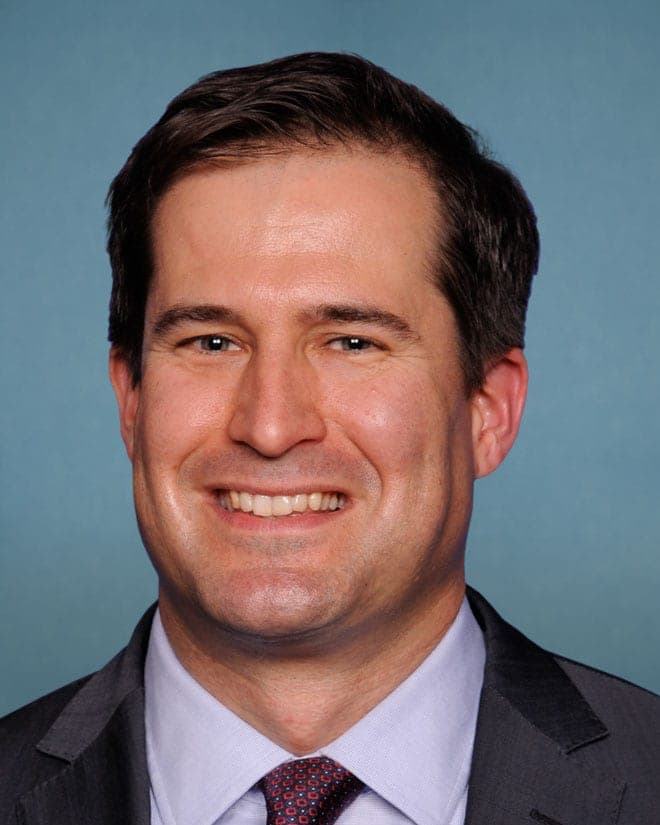
Representative who challenged Markey in the Senate primary
Moulton's version of this story ↗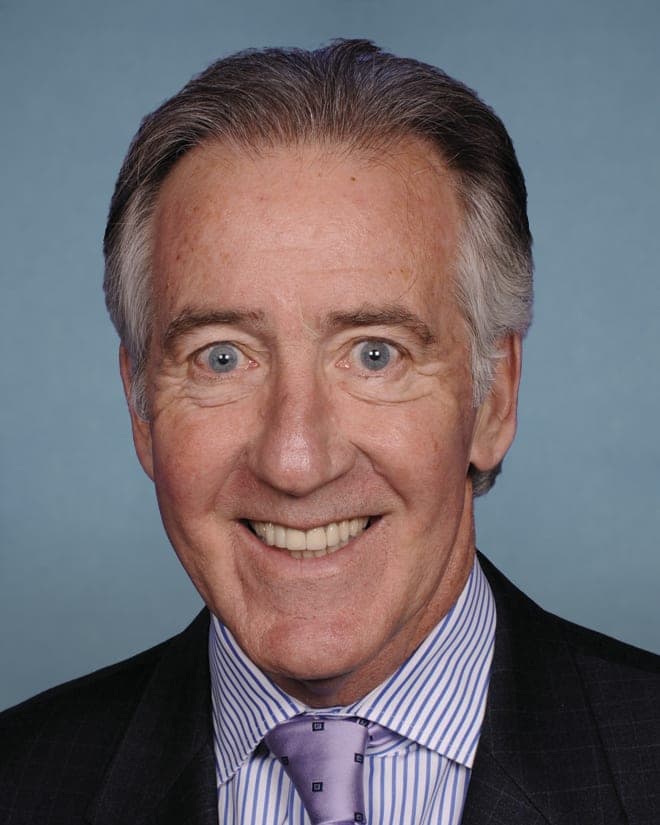
Representative facing a primary challenge from Jeromie Whalen
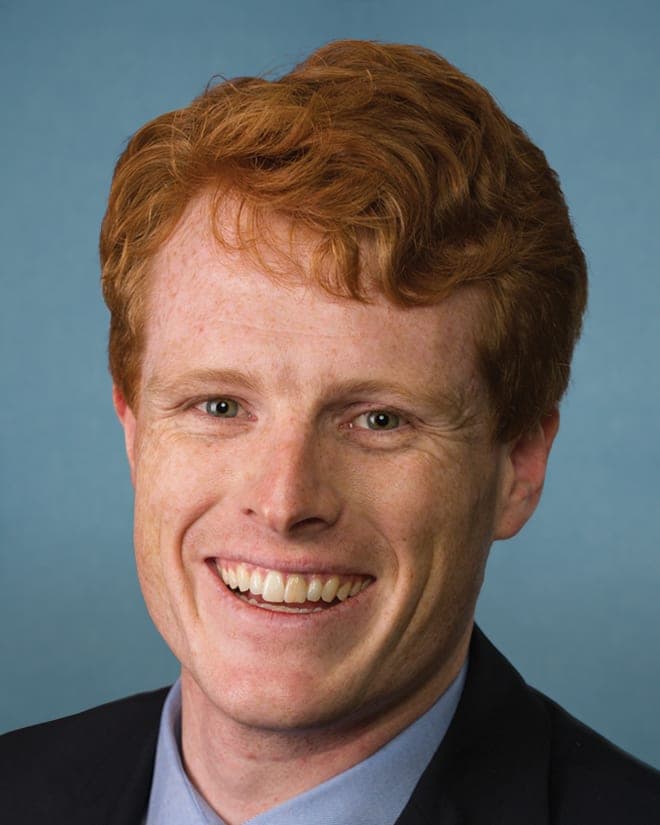
Former Massachusetts representative who challenged Markey in 2020
House candidate who challenged Stephen Lynch

President whose administration and political positions are referenced in the candidates’ arguments

Representative facing a primary challenge from Patrick Roath
Senator whose organization endorsed Jeromie Whalen

House candidate challenging Richard Neal
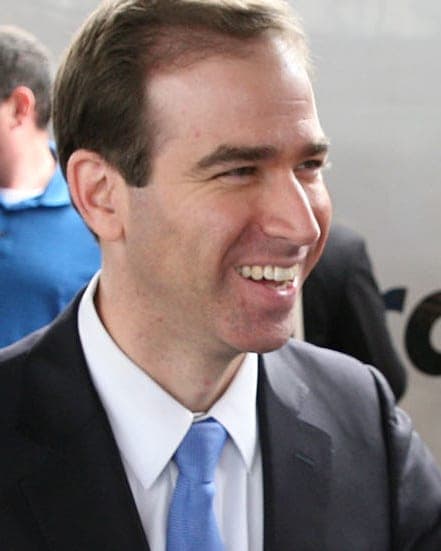
Former Hartford mayor who defeated John Larson in the Connecticut primary
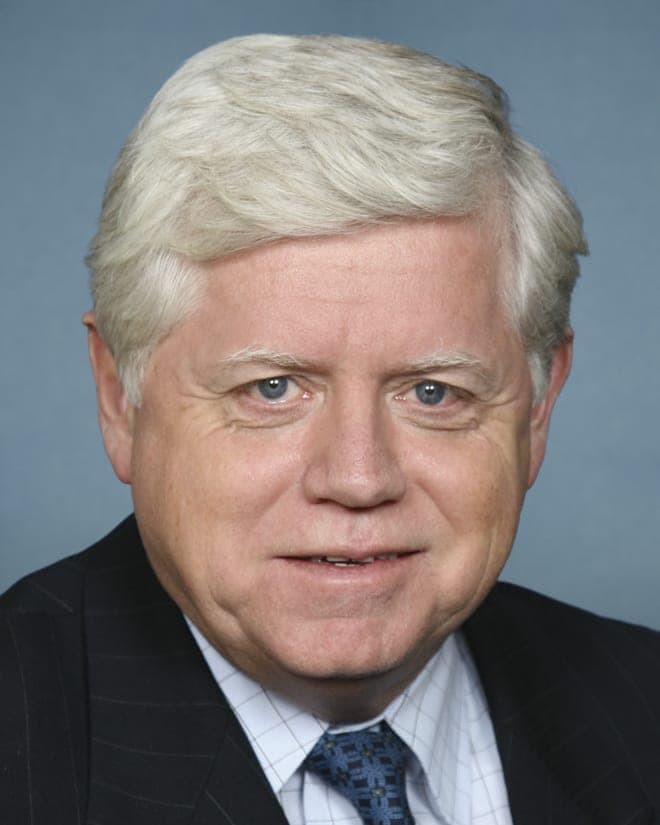
Representative defeated in the Connecticut primary
Part of a bigger story
15 OUTLETSEdward Markey won the Massachusetts Democratic Senate primary, defeating Rep. Seth Moulton. Center outlets frame the contest around generational change, experience and policy differences, often linking it to younger challengers running against longtime House incumbents.
- ARTICLES
- 15
- OUTLETS
- 15
- AVG CRED
- 74
Discussion · 0
Loading comments…