Democratic members of US Congress visit Cuba and compare US energy embargo to 'silent Gaza'
Dexter said she and Ramírez would seek amendments to address health effects and limit further presidential action without legislative authorization.
SOURCE CHECK
TAP FOR WHYCredibility rates Winnipeg Free Press, where this article appeared. The other scores rate the article itself.
The reporting is attributed to The Associated Press, a major wire service with established editorial practices. The article carries an AP byline and dateline, indicating that the Winnipeg Free Press is publishing wire-service reporting.
- Source type — The article is attributed to a major international wire service.
- Author attribution — Named AP reporters are credited in the byline.
- Editorial standards — AP reporting generally follows established verification and editing standards.
- Transparency — The AP dateline and photo credit make the reporting origin clear.
The article provides named congressional sources, on-the-ground descriptions of the effects of the embargo, and some context about the causes of Cuba’s crisis. It reports the U.S. and Cuban governments’ stated positions, but includes no direct response from U.S. officials to the visiting lawmakers’ criticism and gives few independently sourced details about the effects described.
HOW WE SCORE ↗The article includes the delegation’s criticism, the Trump administration’s stated goal for the embargo, Cuba’s characterization of it, and context about domestic policy failures. The lawmakers’ views and reported hardships receive more attention than a direct defense of U.S. policy or independent assessment of the competing claims.
- Counterarguments presented — The article reports the U.S. aim of pressuring Cuba’s government and Cuba’s objection that the measures amount to collective punishment.
- Source diversity — Sources include U.S. lawmakers and positions attributed to both governments, but there is no direct U.S. official response to the lawmakers.
- Omitted context — It notes previous sanctions and failed domestic policies but provides limited detail about the basis for the U.S. policy.
- Loaded language — The most charged comparison is attributed to the lawmakers rather than stated in the article’s own voice.
The report uses mostly neutral language and attributes the lawmakers’ criticism and the governments’ stated positions. It describes hardships and the delegation’s criticism, but does not present an overt editorial argument for or against the embargo.
- Language tone — The prose is mainly descriptive, with critical comparisons presented as attributed quotations.
- Source selection — The article includes congressional criticism and statements from both Cuban and U.S. authorities, though not a direct U.S. response to the delegation.
- Framing — The story centers on the lawmakers’ visit and reported effects of the embargo without an explicit editorial conclusion.
Cites Associated Press
This article cites Associated Press as its original publisher. ChamberLight has not verified that it is a republication, so the scores are Winnipeg Free Press's own.
457 stories · 96–97 · updated Oct 5, 2026
This is Associated Press's own score. The Source Check scores are for Winnipeg Free Press and this article.
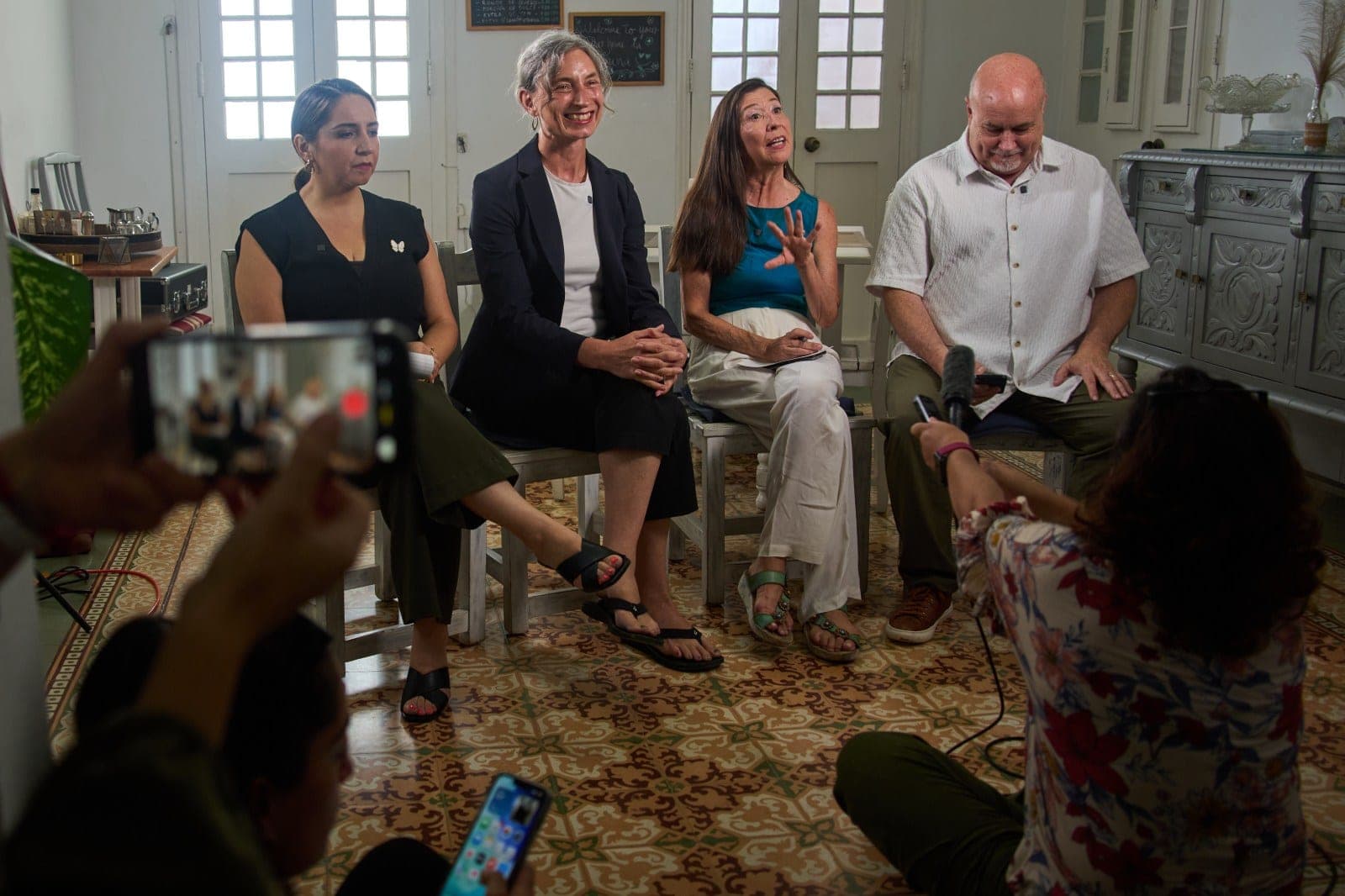
Four Democratic U.S. representatives visiting Cuba criticized the Trump administration’s energy embargo, with Mark Pocan comparing its effects to a “silent Gaza.” Two members said they would seek congressional amendments addressing health impacts and limiting further action without legislative authorization.
Representatives Mark Pocan, Teresa Leger Fernández, Maxine Dexter and Delia C. Ramírez visited Cuba, where they met with President Miguel Díaz-Canel, ministers, medical professionals and business leaders. The article says the U.S. implemented an energy embargo in January and that the measures have worsened an existing crisis marked by blackouts, transportation disruptions and reduced working hours.
Pocan said someone he spoke with in Cuba described the situation as a “silent Gaza,” a comparison he called apt, and criticized Secretary of State Marco Rubio. Leger Fernández said forcing a country to suffer made no sense. Dexter and Ramírez said they would seek congressional amendments to mitigate health effects and prevent further presidential action without legislative authorization. The article also reports that U.S. and Cuban officials have had contact, but that the timing and details of their talks are unclear.
Community verdict
18 VOTES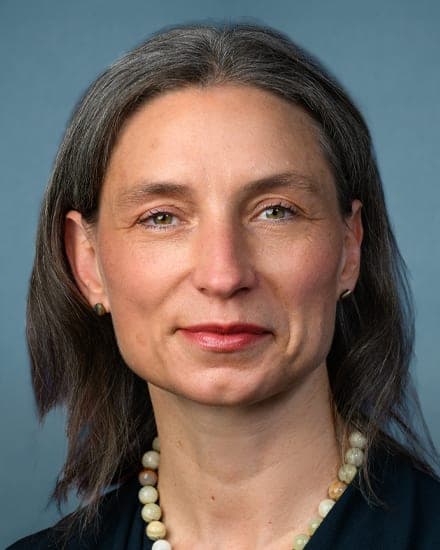
People in this story
SWIPE →Representative who said she would seek congressional amendments addressing the embargo’s effects
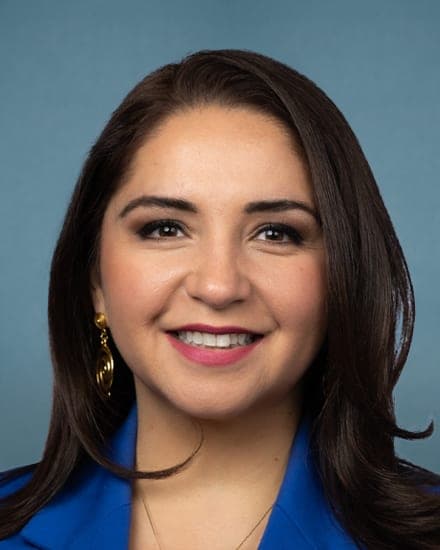
Representative who said she would seek congressional amendments addressing the embargo’s effects
Ramirez's version of this story ↗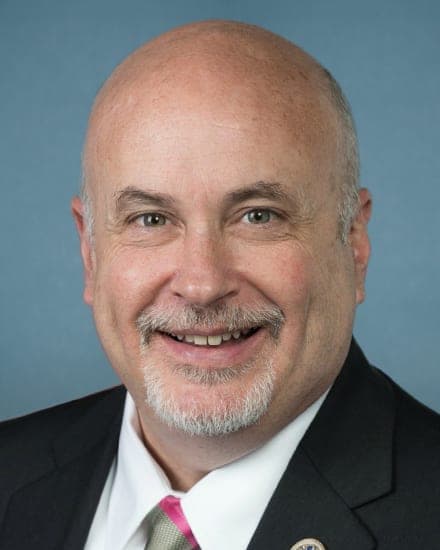
Representative who criticized the embargo during the Cuba visit
Pocan's version of this story ↗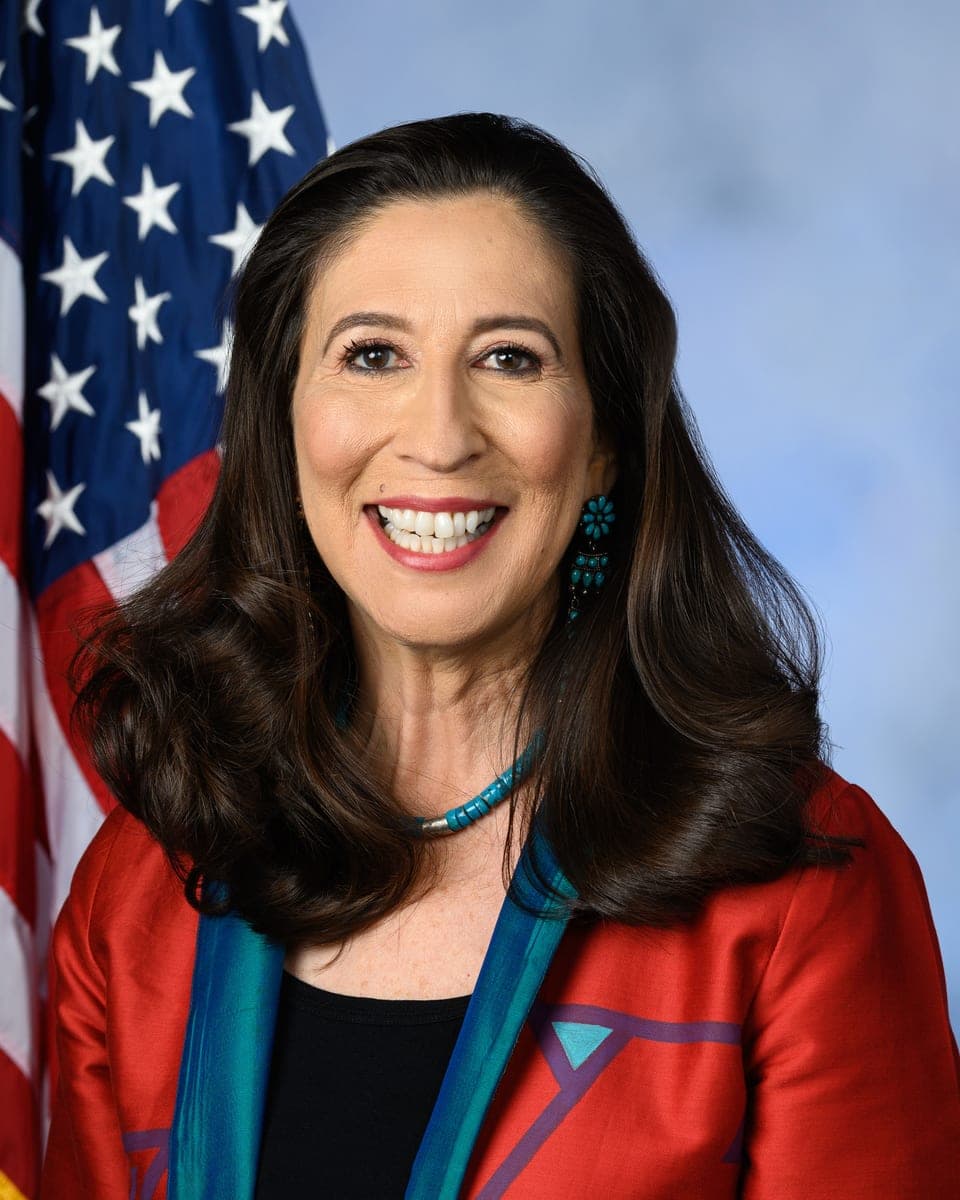
Representative who criticized the embargo during the Cuba visit
Leger Fernandez's version of this story ↗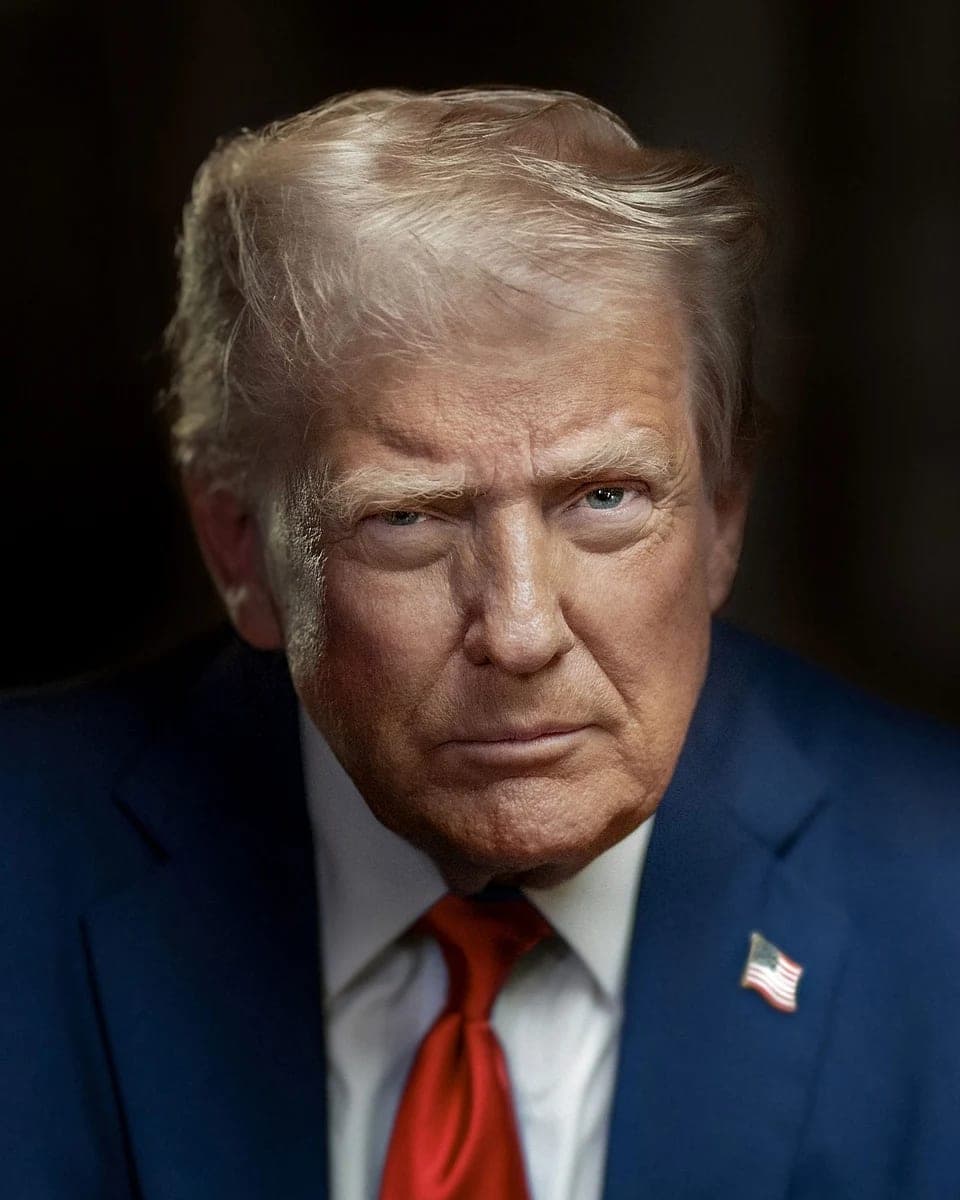
President who imposed the energy embargo and threatened further action
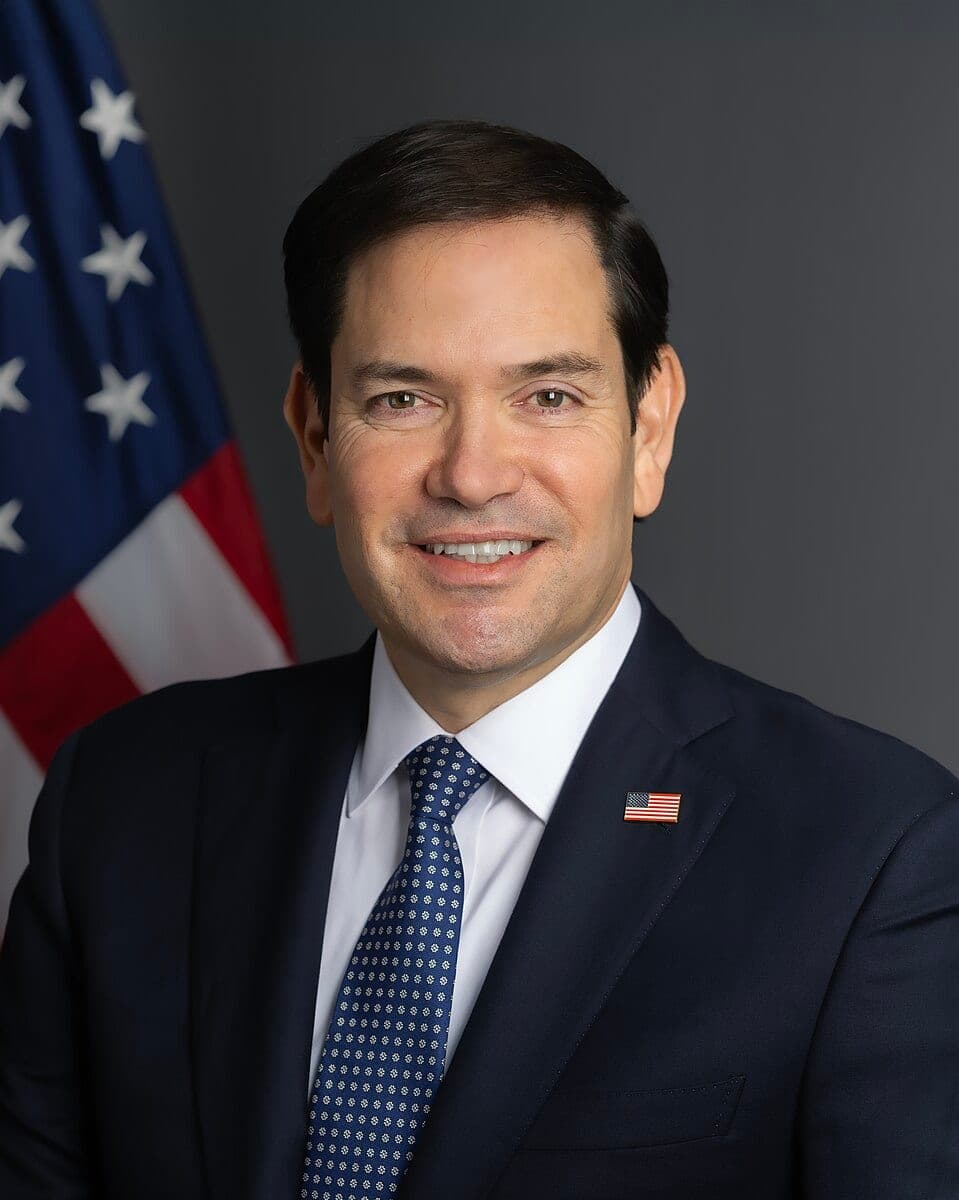
Secretary of State criticized by Pocan and associated with U.S.-Cuba contacts
Part of a bigger story
2 OUTLETS- ARTICLES
- 2
- OUTLETS
- 2
- AVG CRED
- 71
Discussion · 0
Loading comments…