U.S. Rep. Darin LaHood and Democratic opponent Paul Nolley differ on war powers vote
Nolley said LaHood's vote left working people bearing the costs of the war and aligned him with corporate donors and the administration.

SOURCE CHECK
TAP FOR WHYWGLT is an established local public-radio newsroom, and the article names its reporter and attributes statements to the people involved. The short report offers limited independent sourcing for some of the economic claims.
- Source type — Established local-news public-radio outlet.
- Author attribution — A named reporter is credited.
- Editorial standards — The report presents attributed quotes and distinguishes claims from reported events.
- Source diversity — Both LaHood and his opponent are quoted, though the report is brief.
The article includes responses from both LaHood and Nolley and gives context about the ceasefire and other Republican votes. It does not identify the resolution by number or provide supporting documentation for Nolley's cost estimates.
HOW WE SCORE ↗The report gives LaHood's reasoning and Nolley's opposing criticism, along with brief context on the conflict. It relies on the two politicians for their positions and does not independently substantiate the cost claims.
- Counterarguments presented — LaHood explains his vote while Nolley argues against it.
- Source diversity — Both sides in the dispute are represented, with limited additional sourcing.
- Omitted context — The resolution's details and the basis for the cost estimates are not developed.
- Loaded language — Critical claims are attributed to Nolley rather than stated as the article's own conclusions.
The article reports the vote, LaHood's explanation and Nolley's criticism in attributed language without adopting an evident partisan framing.
- Language tone — Mostly neutral, descriptive wording.
- Source selection — Quotes both the representative and his opponent.
- Framing — Frames the story around their disagreement over the vote.
Rep. Darin LaHood voted against a House resolution to require an end to the war in Iran, saying the conflict may soon wind down. His Democratic opponent, Paul Nolley, criticized the vote and said the war is imposing economic and national costs.
LaHood voted against a House resolution requiring an end to the war in Iran. He said an agreement and the reopening of the Strait of Hormuz were expected soon, and argued that little had happened militarily in the previous 30 days. The article also reports that several Republicans voted for the measure and that a ceasefire appeared at risk after Israel and Iran traded strikes.
Community verdict
17 VOTESPeople in this story
SWIPE →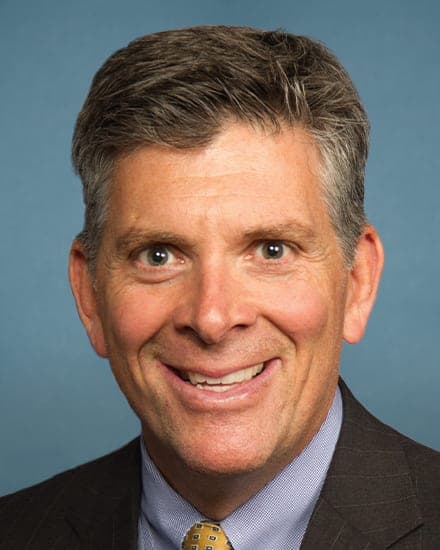
Representative who voted against the war powers resolution
LaHood's version of this story ↗Discussion · 0
Loading comments…