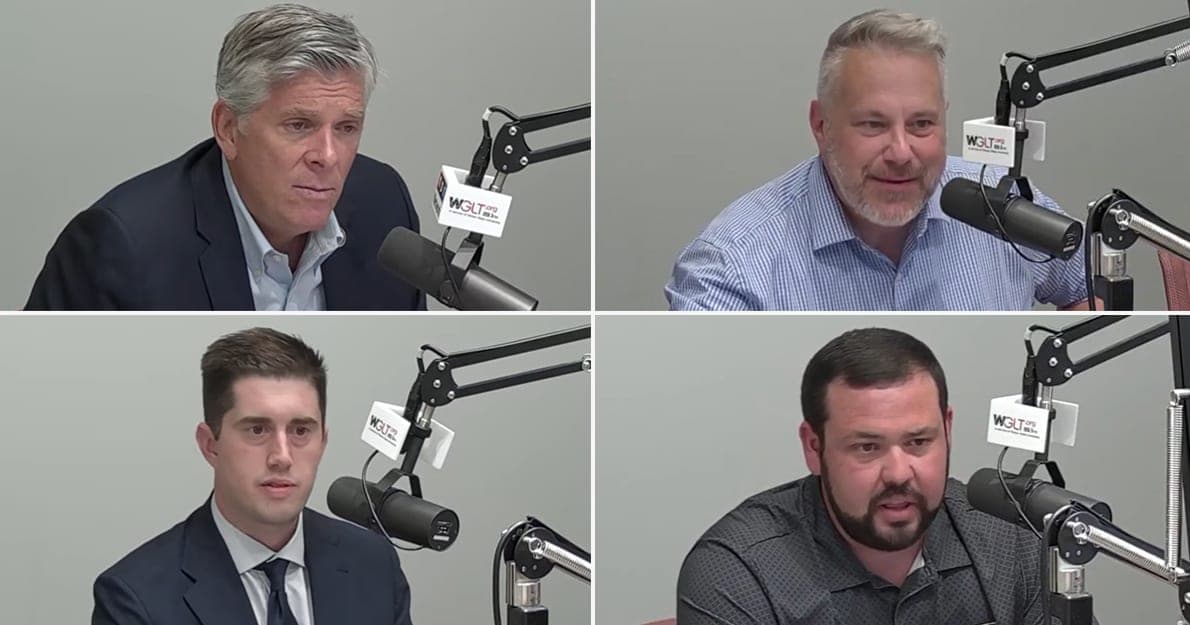
Congressional candidates address inflation and the rising cost of living
Nolley argued that wages, unionization and health care changes could improve affordability.
SOURCE CHECK
TAP FOR WHYWGLT is an established regional public-radio newsroom with an identified author and a locally focused report. The article attributes candidates’ positions to them, though it offers limited independent verification or outside analysis.
- Source type — Established local news outlet; regional reporting is within its stated scope.
- Editorial standards — The report uses attributed quotations and distinguishes candidates’ views from its own narration.
- Author attribution — A named reporter is credited.
- Transparency — Publisher and author are identifiable, but the article does not detail its reporting methods.
The report presents comments from all four candidates and gives concrete examples of their proposals. Its sourcing is largely limited to the candidates themselves, with little independent context or assessment of the claims.
HOW WE SCORE ↗The report gives all four candidates room to describe their approaches and includes a range of policy areas. It relies mainly on candidate statements and does not independently test their proposals or provide outside perspectives.
- Source diversity — All four candidates are represented, but no independent experts or affected residents are quoted.
- Counterarguments presented — Different candidate approaches appear, though proposals are not systematically challenged.
- Loaded language — The narration is generally restrained and attributes evaluative claims to speakers.
- Omitted context — Limited verification and context for the candidates’ policy claims keeps the report from being fully balanced.
The article presents the candidates’ positions in a largely matter-of-fact way and includes candidates from both parties in both districts. Its framing does not clearly favor a political viewpoint.
- Source selection — Includes both candidates in each of the two races.
- Language tone — Mostly neutral wording, with candidates’ claims presented as attributed statements.
- Framing — Organizes the story around candidates’ approaches to affordability rather than an explicit partisan argument.
Candidates in Illinois’ 16th and 17th congressional districts outlined different approaches to inflation and the cost of living, including tariffs, wages, health care, energy development and farm costs. The report also notes their shared support for year-round E-15 gasoline sales and the lack of a firm Farm Bill path.
In the 16th District, Republican Darin LaHood criticized broad tariffs while supporting targeted trade protections and suggested energy permitting reform could lower costs. Democrat Paul Nolley said wage growth, stronger unionization and health care changes would address affordability; the article also notes LaHood’s past vote for Medicaid cuts and SNAP work requirements.
In the 17th District, Republican Dillan Vancil backed investment in coal, nuclear power and natural gas and questioned incentives for wind and solar. Democrat Eric Sorensen cited diplomacy regarding the war in Iran, proposed the Homegrown Fertilizer Act to increase competition, and highlighted health care and housing. All four candidates supported year-round E-15 gasoline sales, while none offered a firm plan to assemble votes for a new Farm Bill.
Community verdict
VOTING CLOSEDNo good or bad look here
This story reports what happened without casting Nolley in a good or bad light, so readers don’t rate it and it doesn’t count toward Nolley’s record.
People in this story
SWIPE →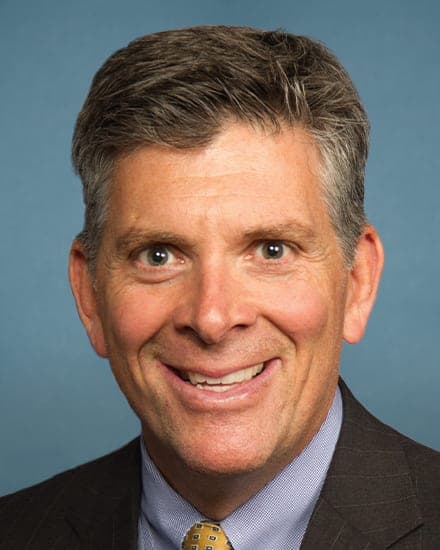
Republican incumbent in Illinois’ 16th Congressional District
LaHood's version of this story ↗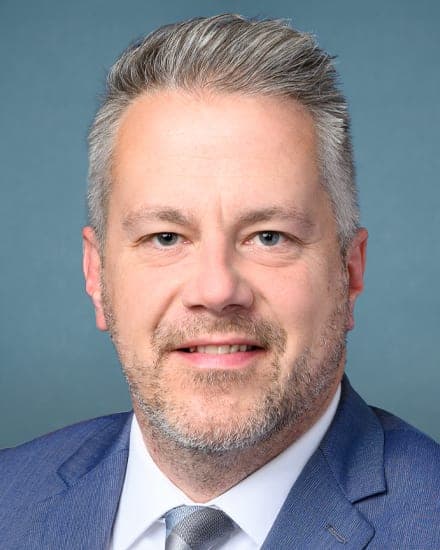
Democratic incumbent in Illinois’ 17th Congressional District
Sorensen's version of this story ↗Republican challenger in Illinois’ 17th Congressional District
Vancil's version of this story ↗
President whose tariff policy is discussed as context
Discussion · 0
Loading comments…