At Raleigh roundtable, U.S. Rep. Ross highlights impacts of rising gas prices
Ross convened a Raleigh roundtable and linked rising fuel costs to the war with Iran.
SOURCE CHECK
TAP FOR WHYCredibility rates WFAE 90.7 - Charlotte's NPR News Source, which republished this story. The other scores rate the article itself.
WFAE is an established local public-radio newsroom, and the article identifies its author and attributes figures and statements to named sources. The reporting uses several local perspectives, though the page provides limited information here about corrections practices.
- Source type — Established local news and public-radio source.
- Author attribution — A named reporter is credited.
- Transparency — Statements and price data are attributed to named participants and AAA.
- Editorial standards — The article shows conventional reporting practices; correction policy is not evident in the article.
The article includes named participants from affected businesses, social services and the petroleum industry, along with attributed AAA price figures. It offers useful local examples but does not include a response from the administration or a fuller account of the war’s justification.
HOW WE SCORE ↗The report includes perspectives from a business owner, a petroleum-industry representative, a nonprofit provider and Ross. It does not include an administration response to Ross’s criticism or a contrasting account of the war.
- Source diversity — Several local sources explain how higher fuel costs affect different organizations and businesses.
- Counterarguments presented — No administration response or opposing view on the war is included.
- Loaded language — The article attributes the word “illegally” to Ross rather than presenting it as the reporter’s conclusion.
- Opinion vs reporting — The piece is reported as news, with claims attributed to speakers.
The story reports local fuel-price impacts and attributes political claims to Ross without adopting overtly partisan language. Its emphasis on Ross’s criticism of the war is presented as her view.
- Language tone — Mostly factual and restrained wording.
- Source selection — Quotes affected local participants and a petroleum-industry representative, as well as Ross.
- Framing — Centers local economic effects and attributes the war-related explanation to Ross and other named sources.
- Omission — No response from the Trump administration is included, but the story is a local impacts report.
Republished
Republished from Wunc. The relationship between the two publishers has not been determined.
Not enough stories yet: 0 of 10.
U.S. Rep. Deborah Ross convened a Raleigh roundtable on rising fuel costs, where business and nonprofit representatives described the strain on workers and services. Ross blamed the Iran war for higher oil prices and said ending it would be a first step toward addressing costs.
AAA figures cited in the article put North Carolina’s average gas price at about $4.22 a gallon, up from $3.93 a month earlier and $2.86 a year earlier. Diesel averaged about $5.50 a gallon, down from a record-high $5.81 a month earlier but up from $3.41 a year earlier. Ross said the war with Iran and the closure of the Strait of Hormuz were driving higher costs, and called the war illegal.
At the roundtable, trucking company owner Etienne Hightower described rising fuel costs and the impact on his employees and business. Participants from the petroleum industry and social services also discussed tighter margins and increased fuel expenses. Ross said ending the war would be a first step, and also cited restoring Affordable Care Act tax credits and reforming pharmacy benefit managers as ways to address other costs.
Community verdict
12 VOTES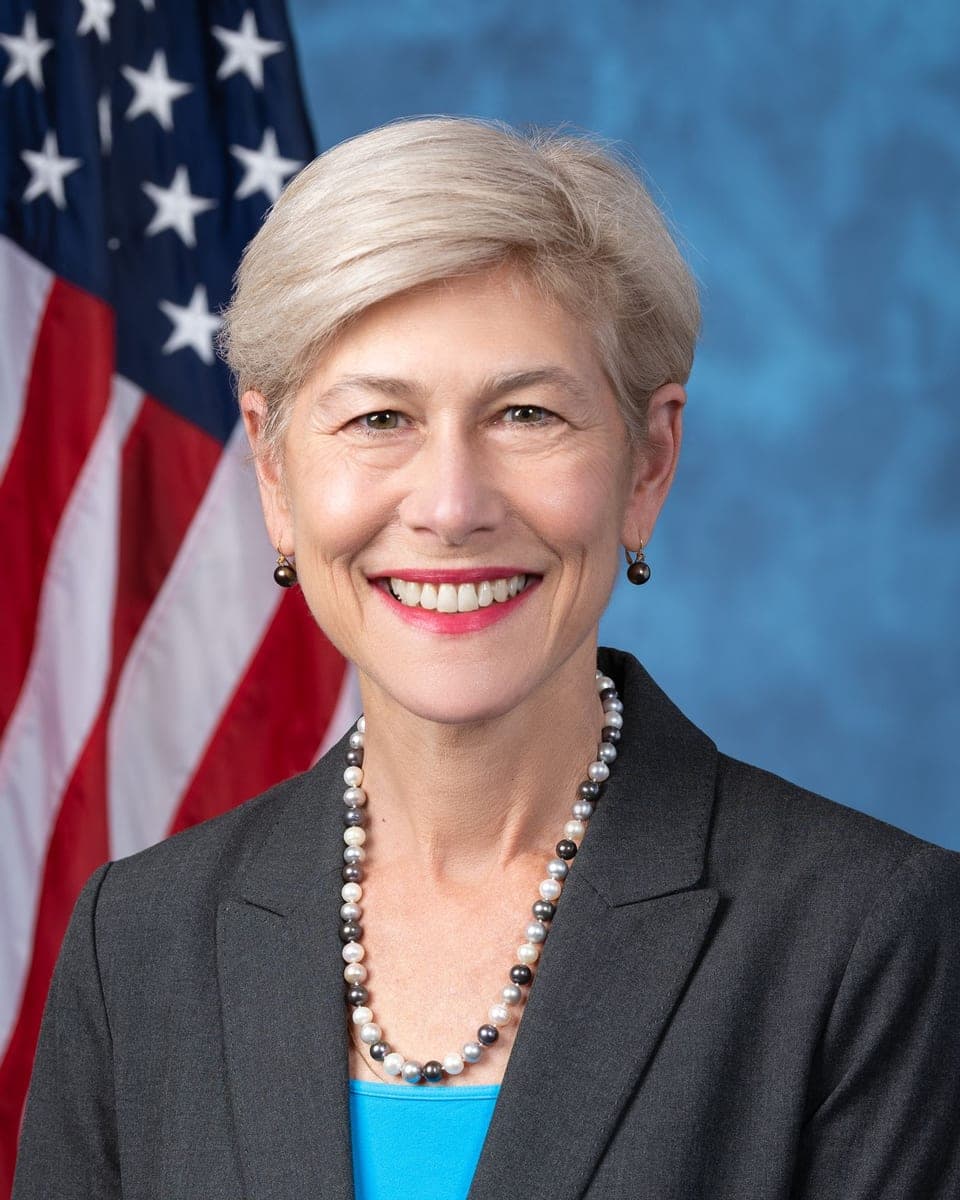
People in this story
SWIPE →North Carolina representative who convened the roundtable and discussed rising fuel costs
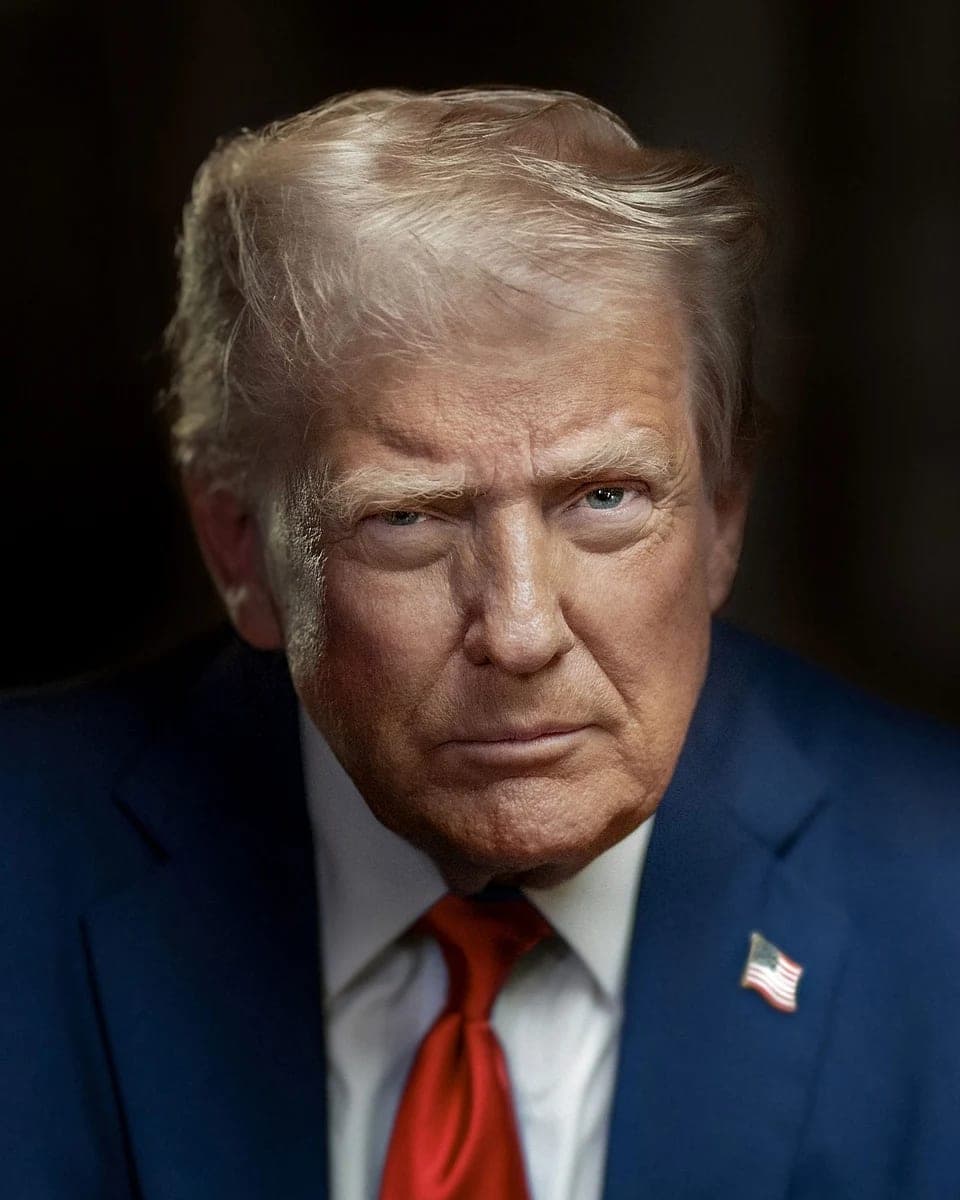
President whose war with Iran Ross blamed for rising oil costs
Discussion · 0
Loading comments…