A New Leash on "Outdated" Research and Practices: Bipartisan Bill Targets Dog and Cat Testing
Langworthy teamed up with Mark Pocan on legislation to restrict federal funding for research on live dogs and cats.

SOURCE CHECK
TAP FOR WHYCredibility rates www.weny.com, which republished this story. The other scores rate the article itself.
WENY is a local news outlet, and this report identifies its reporter and includes comments from lawmakers, advocates, a company, and a biomedical research association. The article offers multiple perspectives, though much of its case rests on attributed statements rather than independently presented evidence.
- Source type — Local news outlet with a reported article about a federal policy issue.
- Source diversity — Includes lawmakers, advocates, the affected company, and a biomedical research association.
- Author attribution — A named reporter is credited.
- Evidence — Most claims are attributed to interested parties; little independent documentation is presented.
The article identifies the bill's proposed effect and includes support from its sponsors and advocates as well as opposition arguments from a company and a biomedical research association. Its sourcing is named, but the article does not independently substantiate several disputed claims or provide detailed context about the bill.
HOW WE SCORE ↗The article gives several supporters space to describe the bill and animal welfare concerns, while also presenting the company's and a research association's arguments about oversight, alternatives, and potential effects on research. It does not independently test either side's claims.
- Counterarguments presented — The company and a biomedical research association explain concerns about restricting animal research.
- Source diversity — Includes lawmakers, advocates, a company, and an industry association.
- Omitted context — Does not provide detailed independent evidence about the bill's likely effects or the status of alternatives.
- Loaded language — Some strong language appears in attributed quotations; the reporter's framing is mildly supportive of the bill's stated purpose.
The report foregrounds supporters' case but also includes substantial opposing arguments and does not adopt explicitly partisan language. Its focus on animal welfare does not, by itself, establish a political lean.
- Source selection — Quotes bill proponents and advocates, but also the company and a biomedical research association opposing restrictions.
- Language tone — Mostly reports claims with attribution; emotive descriptions are presented as quotations.
- Framing — The headline and opening frame the measure around outdated practices and animal testing, but the body includes competing concerns.
Republished
Republished from Lillydigitalmedia. The relationship between the two publishers has not been determined.
Not rated.
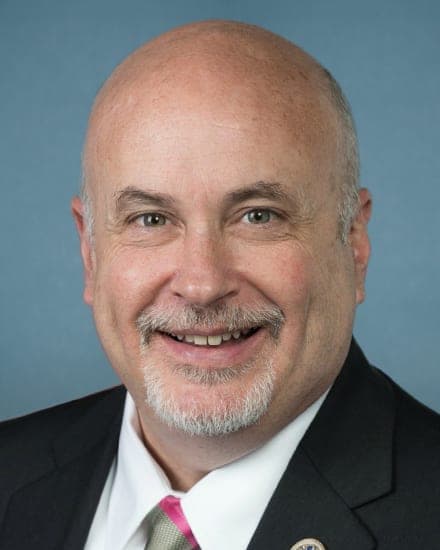
Reps. Nick Langworthy and Mark Pocan introduced the bipartisan COMPACT Act, which would end federal funding for biomedical research on live dogs and cats. Animal research opponents support the measure, while a breeding company and a biomedical research association warn that restrictions could harm research and medical advances.
Langworthy and Pocan say their bill would ban federal funding for biomedical research on live dogs and cats and strengthen animal protections, oversight and accountability. Langworthy described the practices as inhumane and said he wants Marshall BioResources shut down; Pocan said the bill could help prevent dogs from being bred for testing and later needing rehoming. Advocates called it a major effort to address the practice.
Marshall BioResources said animal research is regulated, that its facilities undergo USDA inspections, and that ending research before alternatives are validated could threaten biomedical research and national security. A spokesperson for two biomedical research organizations also argued that restricting dog breeding for research could strain drug development. Separately, HHS announced actions to accelerate human-based research methods and reduce unnecessary animal testing.
Community verdict
18 VOTES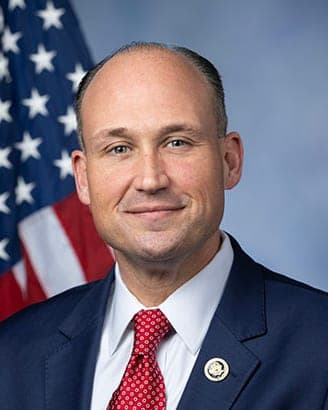
People in this story
SWIPE →Co-sponsor of the COMPACT Act and critic of dog and cat testing
Discussion · 0
Loading comments…