Lindsey Graham may be gone, but his bill targeting Russia's energy and defense industries just landed on Donald Trump's desk
The bill would give Trump authority over tariffs, but the article says he has preferred to retain direct control over sanctions and tariffs.

SOURCE CHECK
TAP FOR WHYWe Got This Covered is an entertainment-oriented online publisher rather than an established political-news outlet, so its institutional reporting standards and correction practices are not clear from the article. The story attributes information and quotations to Reuters and CBS News, but the publisher’s own transparency and track record are difficult to assess here.
- Source type — An online entertainment and pop-culture publisher covering politics; not a dedicated national political-news newsroom.
- Editorial standards — The article offers little evidence about the publisher’s reporting or review process.
- Author attribution — A named author is provided.
- Transparency — It attributes some information to Reuters and CBS News, but does not establish the publisher’s own correction practices.
The article attributes claims and quotations to Reuters, CBS News, and named lawmakers, and presents both support for the bill and objections to its delegated powers and potential consumer costs. It provides limited independent examination of the bill’s text, its likely effects, or the competing claims.
HOW WE SCORE ↗The story presents objections from Democratic leaders and defenses from Republican supporters, along with the bill’s stated aims. It does not provide much independent analysis of the bill’s likely impact or detail the competing arguments beyond the lawmakers’ statements.
- Counterarguments presented — Includes objections about presidential discretion and consumer costs, alongside supporters’ case for tariffs and sanctions.
- Source diversity — Reports statements from lawmakers on both sides and includes the positions of Trump and Zelenskyy.
- Omitted context — Offers limited independent assessment of the bill’s provisions, consequences, or the evidence behind each side’s claims.
The article uses mostly neutral reporting language and includes both Democratic objections and Republican support for the bill. Its framing emphasizes the bill’s purpose and political disagreements without a clear partisan tilt.
- Language tone — Mostly descriptive language, with opinions and claims attributed to their speakers.
- Source selection — Includes lawmakers criticizing and defending the measure, as well as statements from Trump and Zelenskyy.
- Framing — Frames the story around the bill’s passage, its intended pressure on Russia, and disputes over presidential authority and costs.
The House passed a Russia sanctions and tariff bill 262-159, sending it to President Donald Trump. Supporters say it would increase pressure on Russia; Democratic leaders warned it gives Trump too much discretion and could raise costs for American families.
The House passed the “Lindsey O. Graham Sanctioning Russia and Iran Act of 2026” by a 262-159 vote. The article says the measure targets Russia’s defense and energy industries and its sanctions-evading tanker fleet, and would authorize tariffs of up to 100% on countries continuing to rely on Russian oil and gas, while extending sanctions on Iran. It has now been sent to President Donald Trump.
Hakeem Jeffries and other House Democratic leaders objected that the bill gives Trump too much authority and could increase costs for American families. Lead sponsor Michael McCaul defended tariffs as a way to strengthen sanctions, while Speaker Mike Johnson said the legislation sends a message of unity. The article notes Trump has previously preferred to retain direct control over sanctions and tariffs, leaving his next steps uncertain.
Community verdict
11 VOTES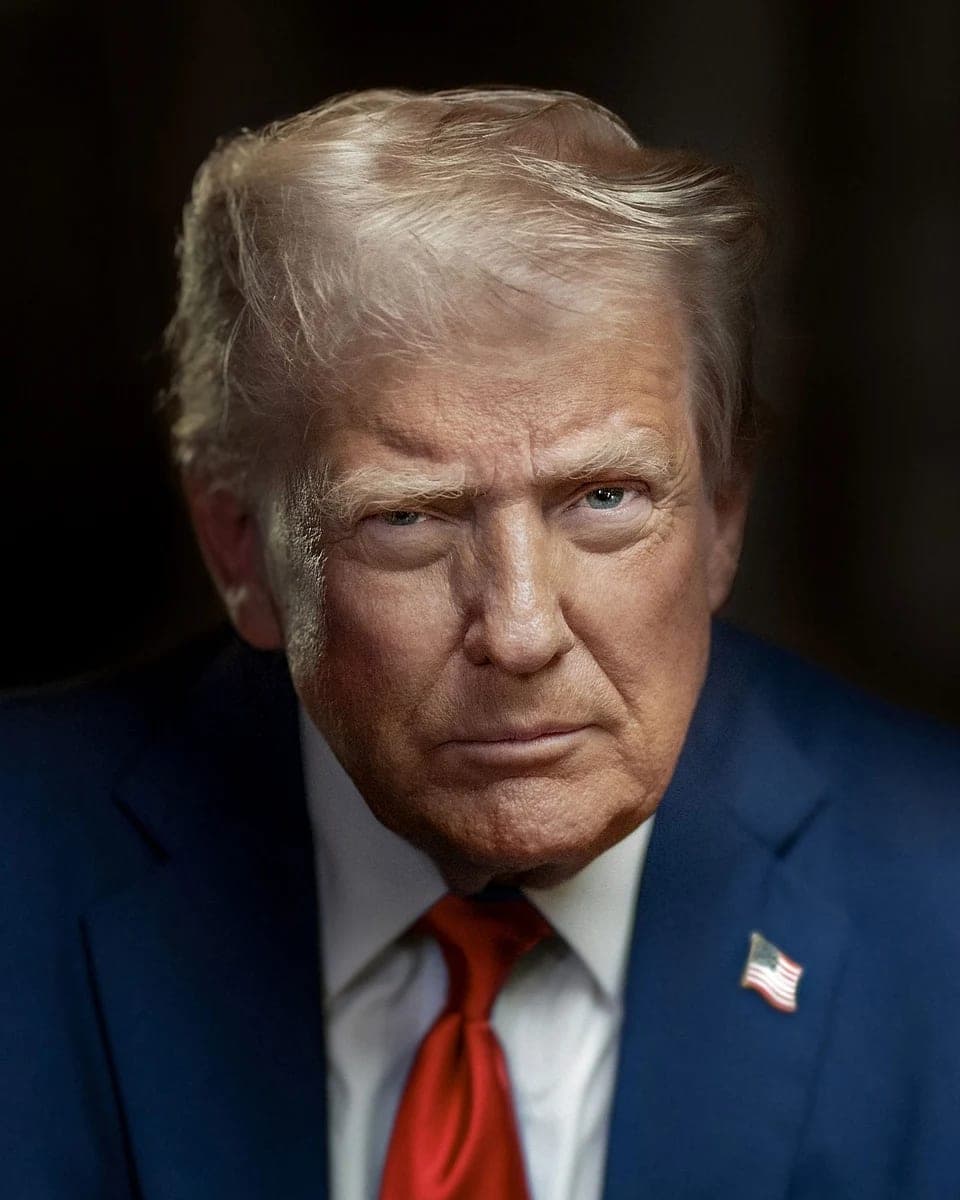
People in this story
SWIPE →President who received the bill and would decide how to proceed
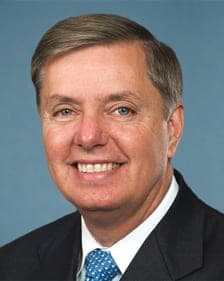
Late South Carolina senator who introduced the measure; the bill was named in his honor.
Graham's version of this story ↗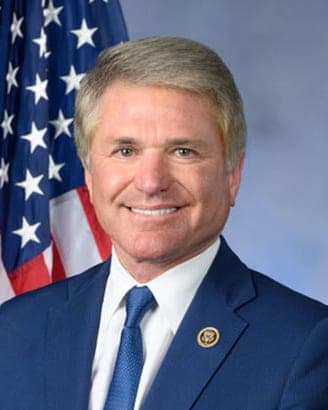
Lead sponsor of the bill and defender of its tariff provisions.
McCaul's version of this story ↗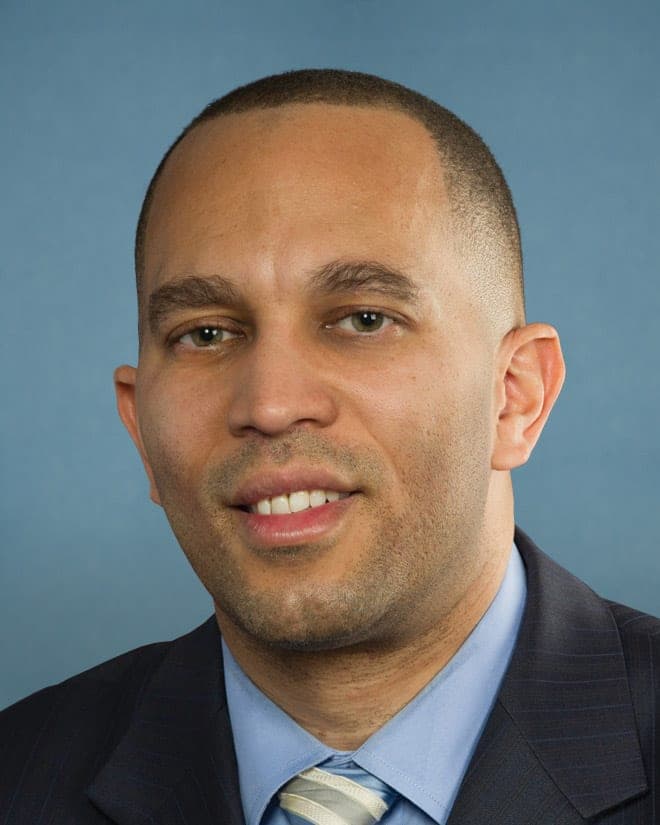
House Democratic leader who criticized the bill’s grant of authority to the president and its potential costs.
Jeffries's version of this story ↗
House Speaker who supported the bill in a statement after its passage.

Senator appointed to fill her late brother Lindsey Graham’s seat; she commented on the bill’s significance to him.

House Democratic leader who joined a statement criticizing the bill’s presidential authority and potential costs.
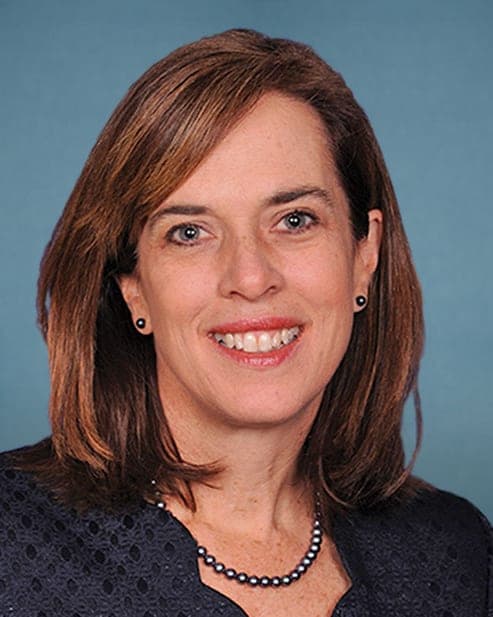
House Democratic leader who joined a statement objecting to the bill’s presidential authority and potential costs.
Discussion · 0
Loading comments…