Seen, Heard & Whispered: Babydog's Outback habit, GOP ad savings and Barrasso's medical dictionary
Barrasso keeps a medical dictionary at his desk and colleagues sometimes seek his advice.

SOURCE CHECK
TAP FOR WHYThe Washington Times is an established national outlet with an identifiable author and editorial operation. The brief roundup relies in part on unnamed sources and offers little detail about its reporting or corrections practices.
- Source type — An established national news publisher, supporting a relatively strong baseline.
- Transparency — Some claims rely on an unnamed party operative and a former staff member.
- Author attribution — The article names its author.
- Editorial standards — The publisher has an established newsroom, though this short roundup gives little evidence about its reporting process.
The article gives concrete details about the court rulings and reported advertising savings, but the savings claims rest on an unnamed party operative. The short briefs provide little context or competing perspective on the campaign-spending changes.
HOW WE SCORE ↗The personal briefs are largely anecdotal. The campaign-finance item explains the rulings and the expected Republican advantage, but does not include a critic or broader account of the rulings’ implications.
- Source diversity — The campaign-spending section relies on one unnamed party operative for the savings claims.
- Counterarguments presented — No opposing view or criticism of the rulings is included.
- Opinion vs reporting — The piece is presented as a set of reported briefs rather than an argument.
The reporting is mostly descriptive, but the campaign-finance section emphasizes Republican gains and describes the rulings as victories for the GOP without offering an opposing perspective.
- Framing — The legal changes are framed chiefly through the financial advantage they provide Republicans.
- Language tone — Mostly matter-of-fact, with favorable phrasing about Republican campaign savings.
- Source selection — The campaign-spending benefits are described by an unnamed national party operative, without a contrasting source.
The column reports that Sen. Jim Justice and his dog frequent an Outback, that Republicans are using Supreme Court campaign-spending rulings to secure lower advertising costs, and that Sen. John Barrasso keeps a medical dictionary and advises colleagues.
The column says Sen. Jim Justice regularly visits an Outback Steakhouse with his dog, Babydog, who gets a Bloomin’ Onion. It also recalls Babydog’s appearances at public events and Justice’s use of the dog during his time as governor.
It reports that Supreme Court rulings loosened limits on coordinated campaign spending and enabled lower advertising rates. A national party operative says Republican groups are using the changes to save on mail and advertising, and the article says Republicans are expected to benefit more. It also reports that Sen. John Barrasso keeps a medical dictionary at his desk and offers advice to colleagues; it recounts his assistance to Sen. Mitch McConnell after McConnell froze at a lectern in 2023.
Community verdict
VOTING CLOSED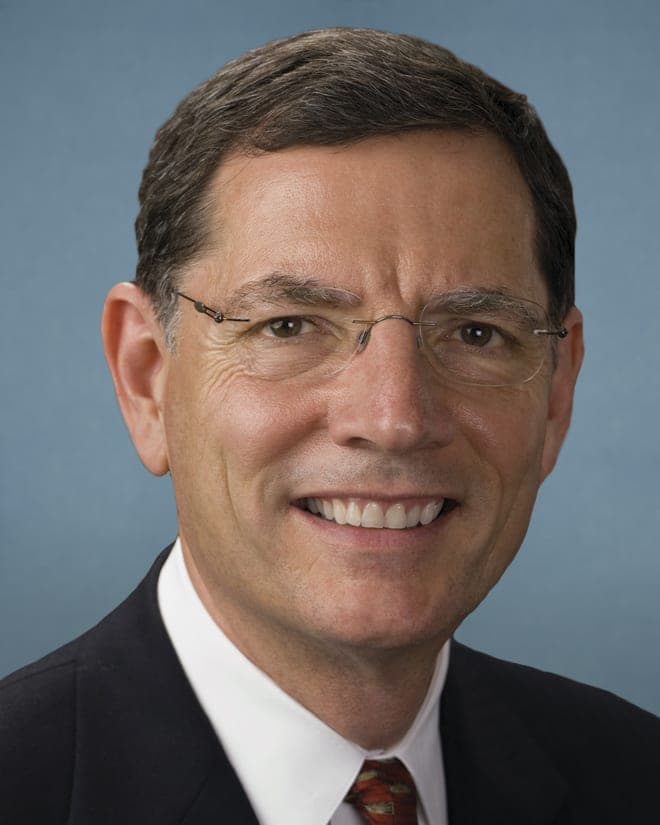
No good or bad look here
This story reports what happened without casting Barrasso in a good or bad light, so readers don’t rate it and it doesn’t count toward Barrasso’s record.
People in this story
SWIPE →Senator from Wyoming described as a medical resource for colleagues.
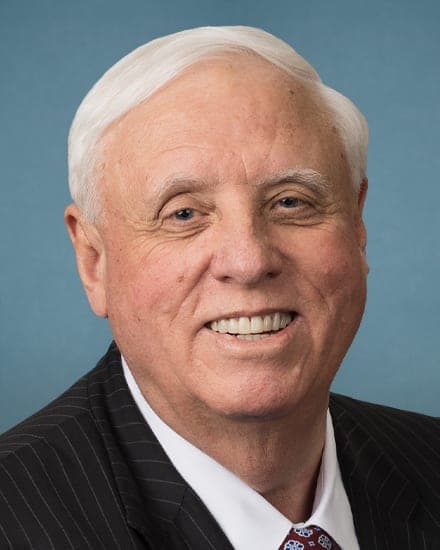
Senator from West Virginia featured in an anecdote about his restaurant visits with Babydog.
Justice's version of this story ↗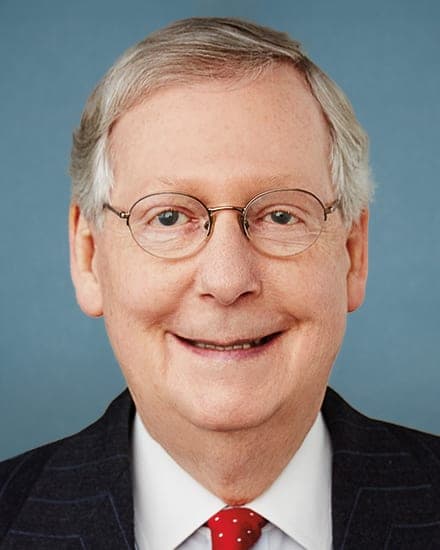
Senator from Kentucky mentioned in an account of Barrasso assisting him in 2023.
Discussion · 0
Loading comments…