Senate Dems block bill to protect consumers from data center-driven electricity price hikes
Husted sponsored the bill and argued that it would protect consumers from higher electricity prices.
SOURCE CHECK
TAP FOR WHYThe Washington Times is an established national outlet with attributed reporting and named sources. Its institutional credibility is moderated by its partisan editorial identity.
- Source type — An established national news outlet with a record of covering national politics.
- Author attribution — The article names a reporter and attributes statements to the senators making them.
- Editorial standards — The outlet publishes news reporting, though its broader editorial identity is conservative.
- Transparency — The article identifies the participants and describes the vote and bill provisions.
The report gives the vote tally, threshold, bill provision and competing arguments, with statements attributed to named senators. It relies mainly on lawmakers’ claims and provides little independent analysis of the likely effect on electricity prices.
HOW WE SCORE ↗The report gives both parties substantial space to explain their positions and describes what the bill would require. It does not include independent experts or affected consumers to assess whether the measure would restrain rate increases.
- Counterarguments presented — Republican support and Democratic criticism are both presented, including claims about the measure’s purpose and effect.
- Source diversity — The sources are lawmakers from both parties, but no independent or consumer voices appear.
- Omitted context — The story explains the bill’s limited requirement and mentions a separate, potentially stronger proposal.
The article presents arguments from both parties and reports the bill’s provisions without clearly endorsing either side. Its framing emphasizes the election-year dispute, but the language and sourcing remain broadly even-handed.
- Language tone — Mostly descriptive language, with evaluative phrases attributed to the senators who used them.
- Source selection — Includes statements from Democratic and Republican senators involved in the dispute.
- Framing — Describes both the consumer-protection argument and the criticism that the bill is ineffective.
The Senate voted 57-43 to block debate on the House-passed Ratepayer Protection Act, which would require utilities to consider whether data centers should pay for related costs. Democrats said the measure was ineffective; Republicans said it would help protect consumers from higher electricity prices.
The Ratepayer Protection Act passed the House 417-3, but its Senate procedural vote fell short of the 60 votes needed to begin debate. Four Democrats—Jon Ossoff, Raphael G. Warnock, Maggie Hassan and Amy Klobuchar—joined Republicans in supporting it. The bill would require utility regulators and certain utilities to only consider whether data centers should pay for infrastructure and other costs associated with their electricity demand.
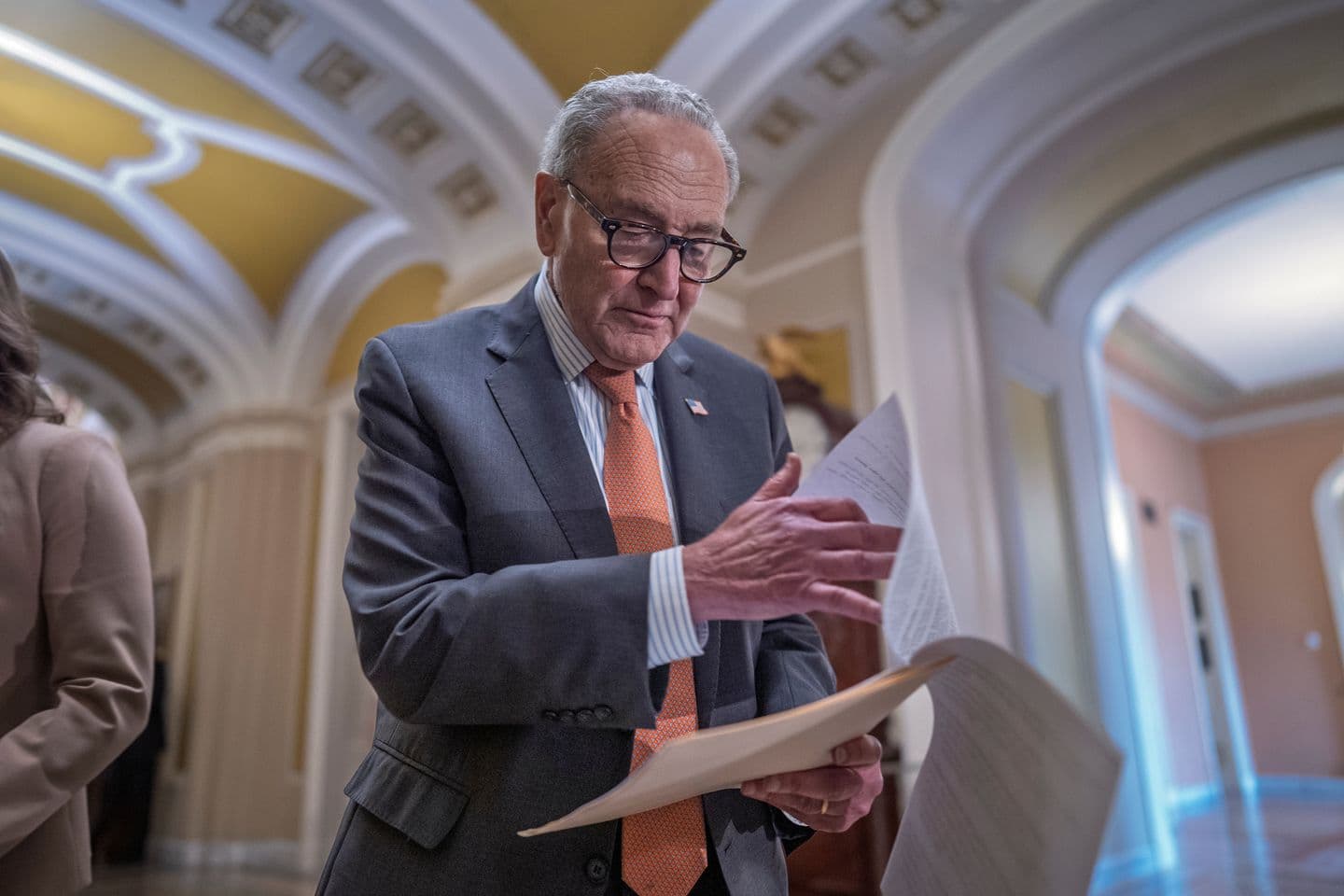
Sen. Jon Husted, the bill’s lead sponsor, called it a meaningful bipartisan step to protect consumers. Senate Minority Leader Chuck Schumer and other Democrats argued it was a weak measure that did not require data centers to cover those costs. Sen. Martin Heinrich and Sen. Sheldon Whitehouse pointed to stronger proposed requirements being negotiated as part of separate energy-permitting legislation.
Community verdict
11 VOTES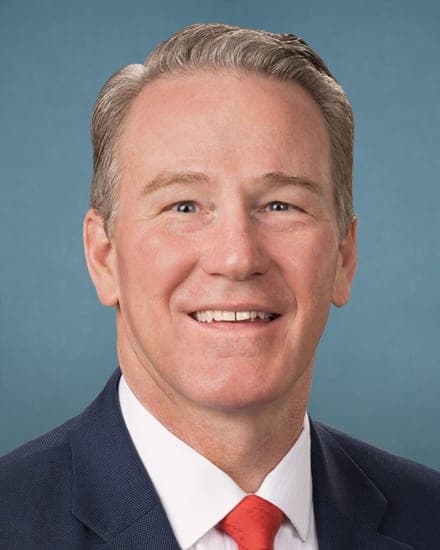
People in this story
SWIPE →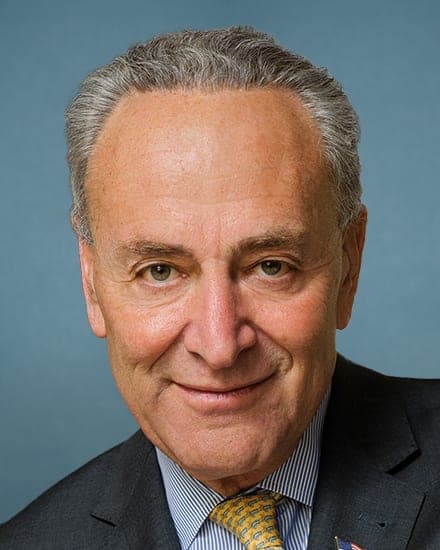

Senator who voted for the bill and is running for governor

Senator who voted for the bill
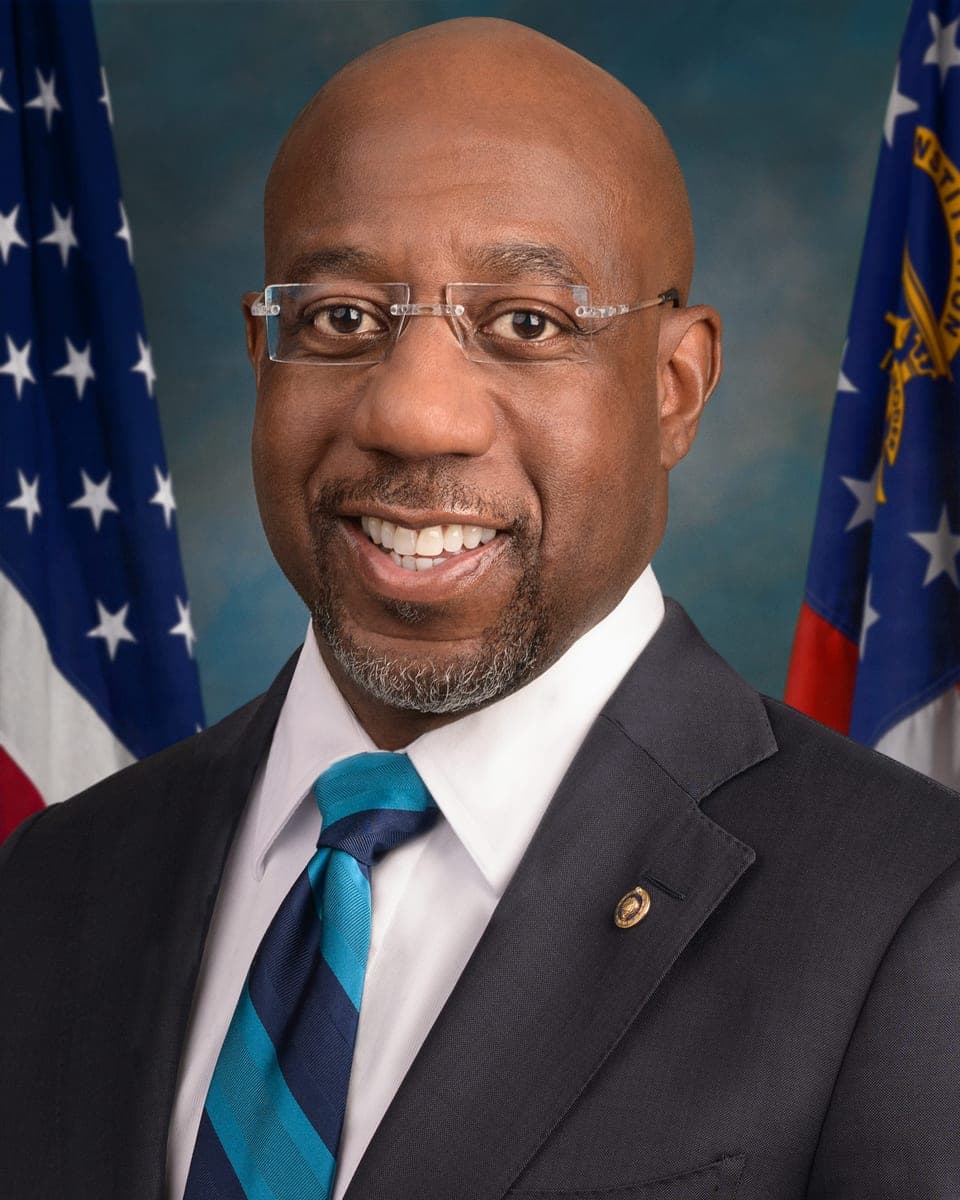
Senator who voted for the bill
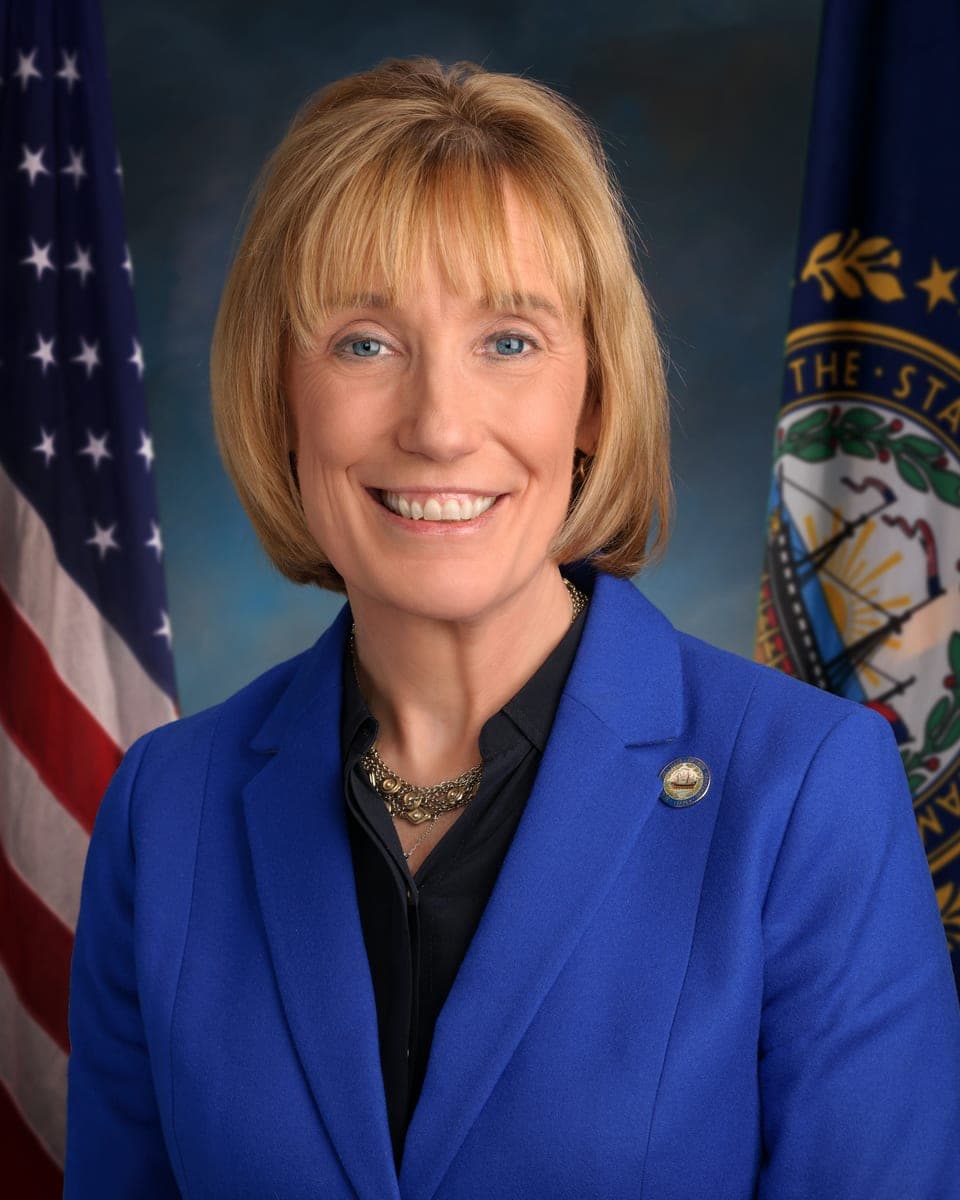
Senator who voted for the bill
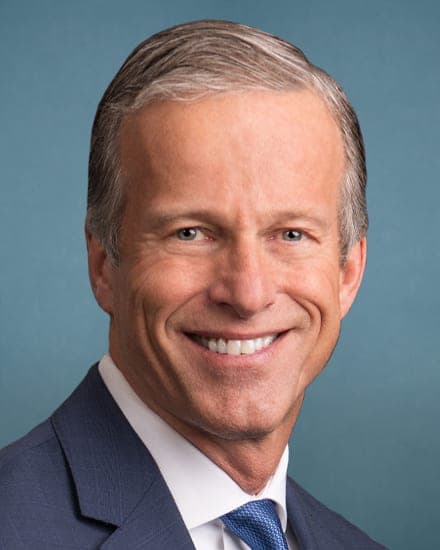
Senate Majority Leader defending the bill

Senator advocating stronger requirements for data centers

Senator negotiating stronger data-center requirements
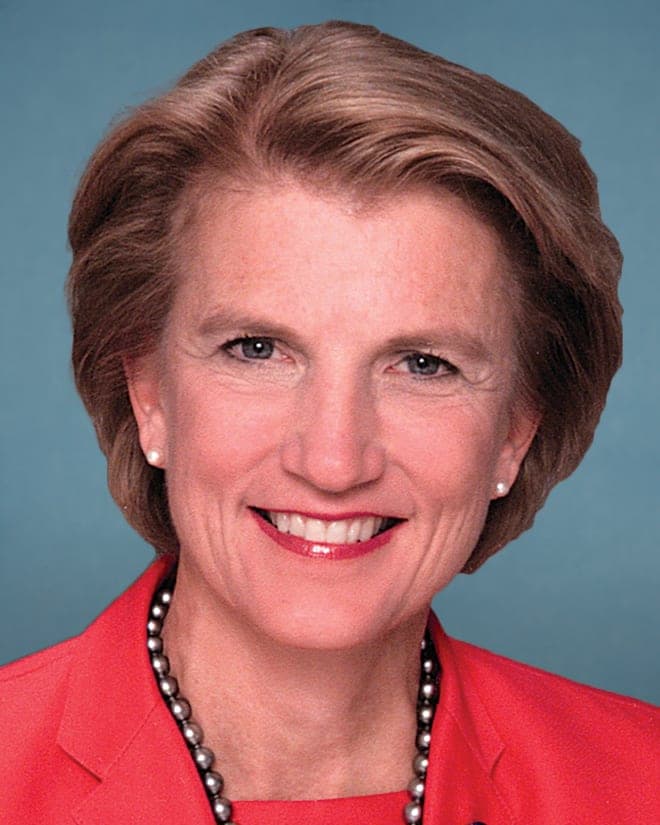
Senator and Republican negotiator on separate energy-permitting legislation
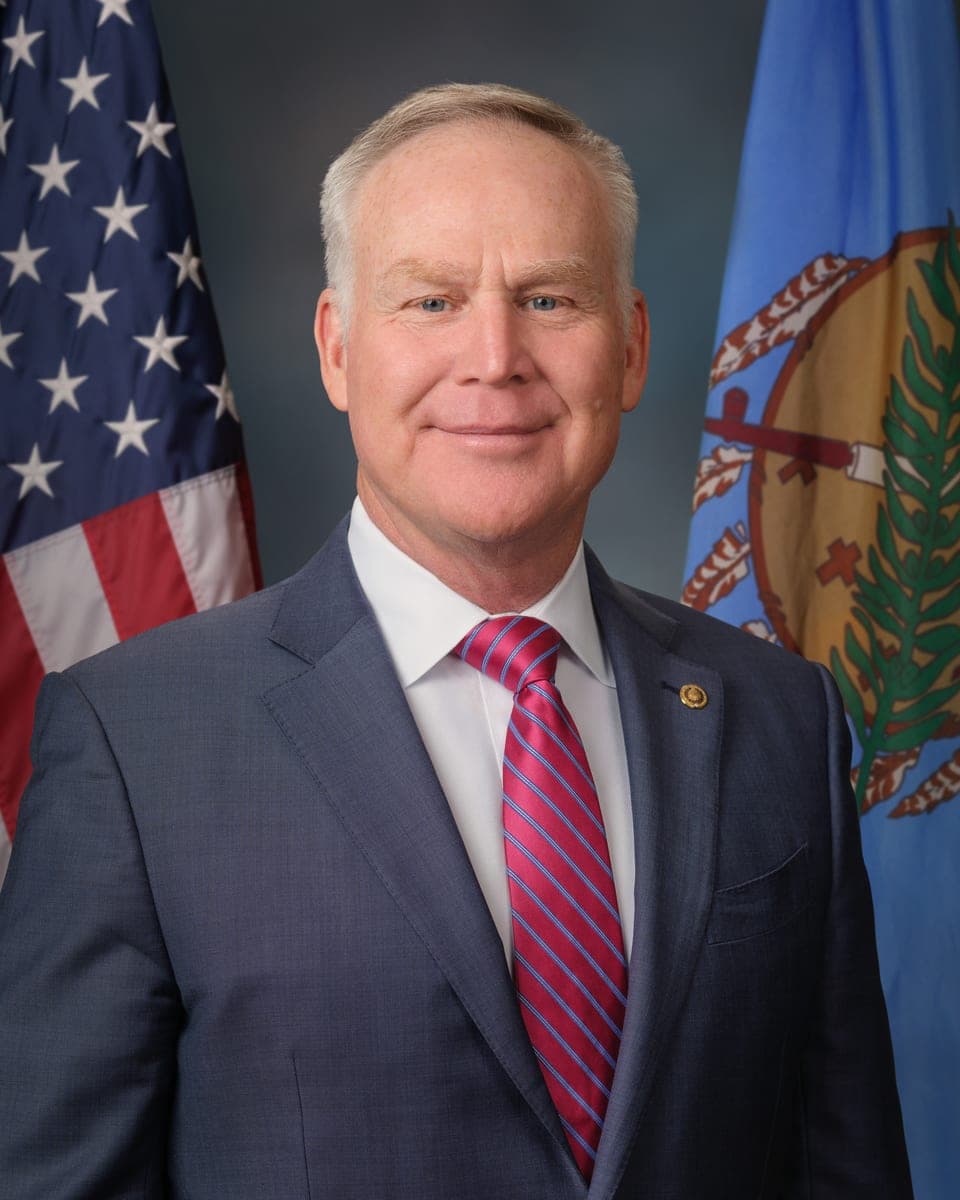
Senator and Republican negotiator on separate energy-permitting legislation
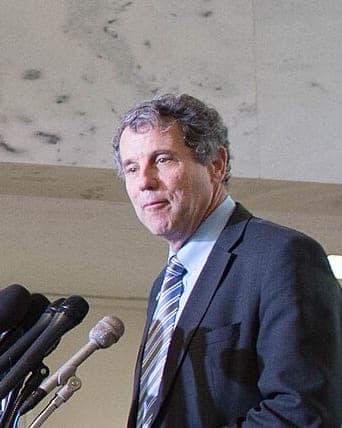
Senate candidate and former senator cited as Husted’s election opponent
Part of a bigger story
22 OUTLETSOutlets across the spectrum report that the Senate failed to advance the data-center electricity-cost bill promoted by Jon Husted. Left-leaning outlets portray the bill as weak and connect it to Husted’s campaign and Republicans’ affordability message. Center outlets focus on the failed vote and dispute over whether the bill would meaningfully shield consumers. Right-leaning outlets often emphasize the bill’s affordability aims and Democratic opposition, though some also stress its limited requirements.
- ARTICLES
- 31
- OUTLETS
- 22
- AVG CRED
- 72
Discussion · 0
Loading comments…