Climate Lawfare: Senator says it wears down energy firms, but courts are pushing back
Cramer argued that climate lawsuits burden energy firms and described proposed limits on challenges to permitting decisions.

SOURCE CHECK
TAP FOR WHYThe Washington Times is an established national outlet, but the page is a transcript of a hosted conversation rather than independently sourced reporting. The event's partnership with the Article III Project and the unknown byline limit transparency about the reporting process.
- Source type — An established national newspaper, though its opinion profile warrants some caution.
- Editorial standards — The outlet has an identifiable newsroom, but this event transcript does not demonstrate much independent verification.
- Author attribution — The host is named, but no article author is identified.
- Transparency — The partnership with the Article III Project is disclosed, making the event's context visible.
The transcript clearly identifies the speaker and provides specific descriptions of the proposed permitting provisions, but most claims and interpretation come from one senator. The interviewer offers little competing perspective, and the account provides no independent verification or response from climate-litigation proponents.
HOW WE SCORE ↗The interview presents Cramer's case at length, while the interviewer largely advances the same framing. No environmental group, plaintiff, opposing official or legal expert is heard to explain a contrary view.
- Source diversity — The substantive discussion relies on Cramer and the host, with no opposing source.
- Counterarguments presented — No response from climate litigants or supporters of the lawsuits is included.
- Opinion vs reporting — The piece is a conversation transcript, not a reported examination of competing claims.
- Omitted context — The article does not explain the plaintiffs' arguments or provide independent legal analysis.
The framing adopts the senator's criticism of climate litigation, emphasizing harm to energy companies and portraying lawsuits as lawfare. No opposing account of the litigation or environmental groups' rationale is presented.
- Framing — The introduction and questions frame climate litigation as a threat to energy firms and federalism.
- Source selection — The substantive views come from Republican Sen. Kevin Cramer, without a countervailing voice.
- Language tone — Terms such as “lawfare” and descriptions of lawsuits as disrupting energy projects reinforce the critical framing.
Sen. Kevin Cramer argued that climate-related lawsuits can wear down energy companies and undermine federalism. He also described a bipartisan permitting reform bill that he said would narrow who can sue and shorten the time to challenge decisions.
In a conversation hosted by The Washington Times' Alex Swoyer in partnership with the Article III Project, Cramer discussed the Suncor dispute and argued that state and local liability rules can intrude on other states' affairs and send harmful signals to energy producers. He said climate litigation can burden companies even when it does not succeed in court.
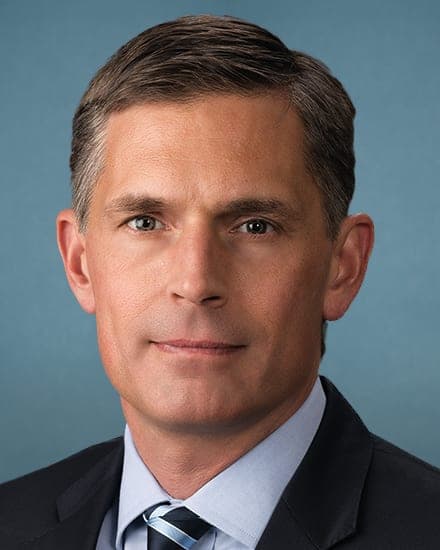
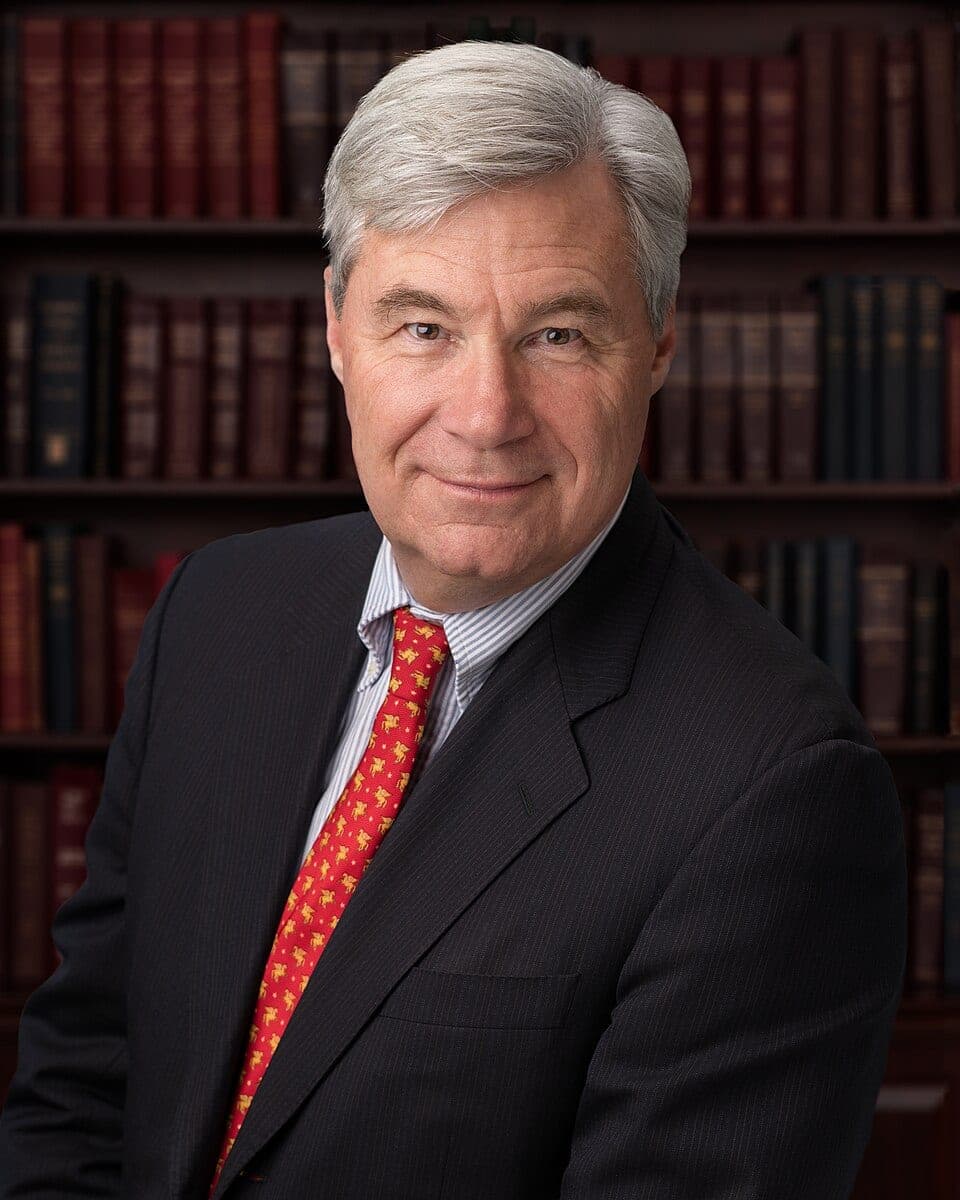
Cramer said the Senate Environment and Public Works Committee had released a bipartisan permitting reform bill. He described provisions that would define who has standing to sue and shorten the period for filing a lawsuit; he said the bill's language had been negotiated by Sens. Mike Lee, Shelley Moore Capito, Martin Heinrich and Sheldon Whitehouse.
Community verdict
7 VOTES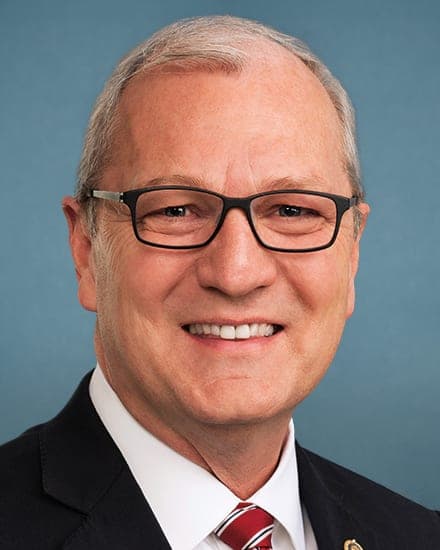
People in this story
SWIPE →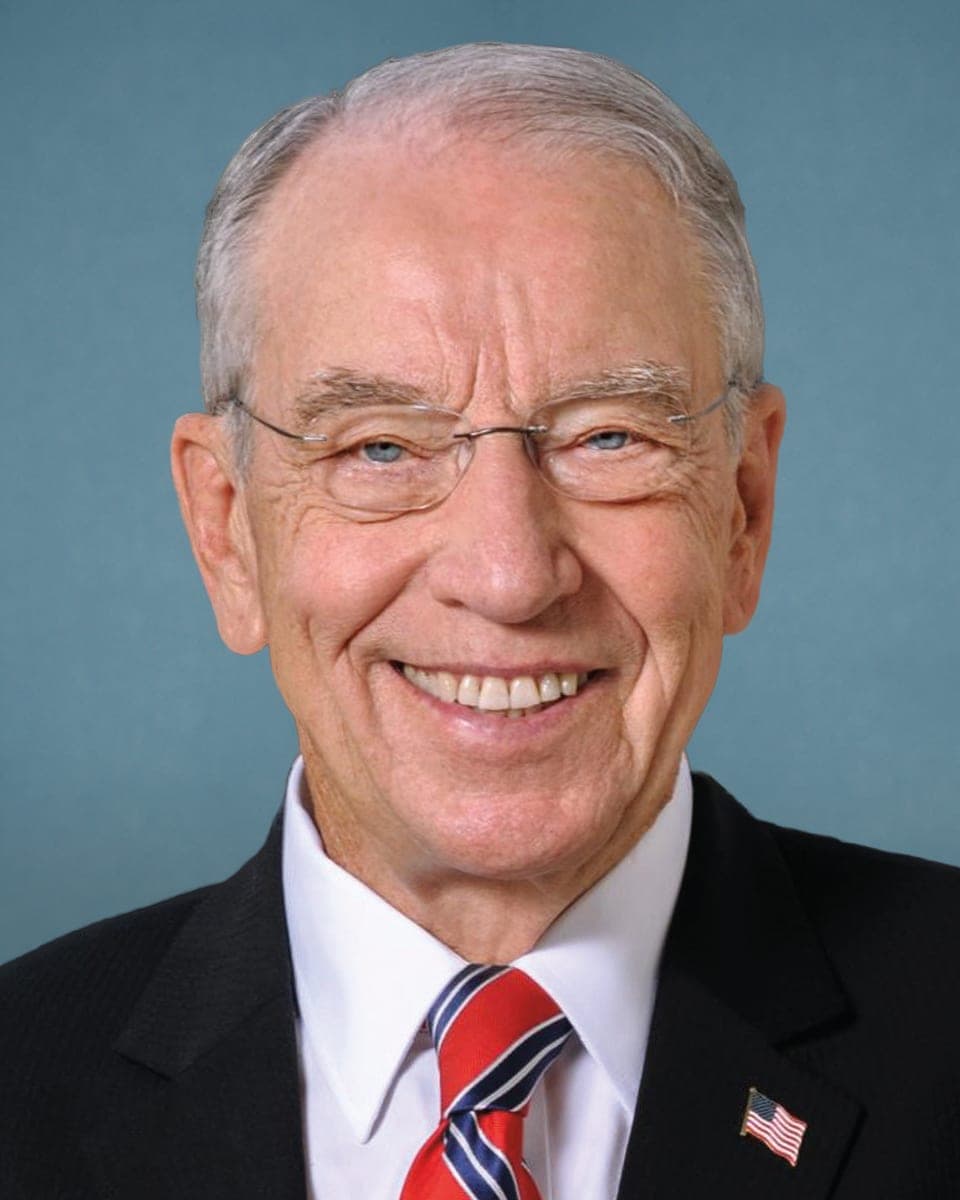
Senator who filed a brief in the Suncor dispute
Senator who negotiated permitting reform language
Senator who negotiated permitting reform language
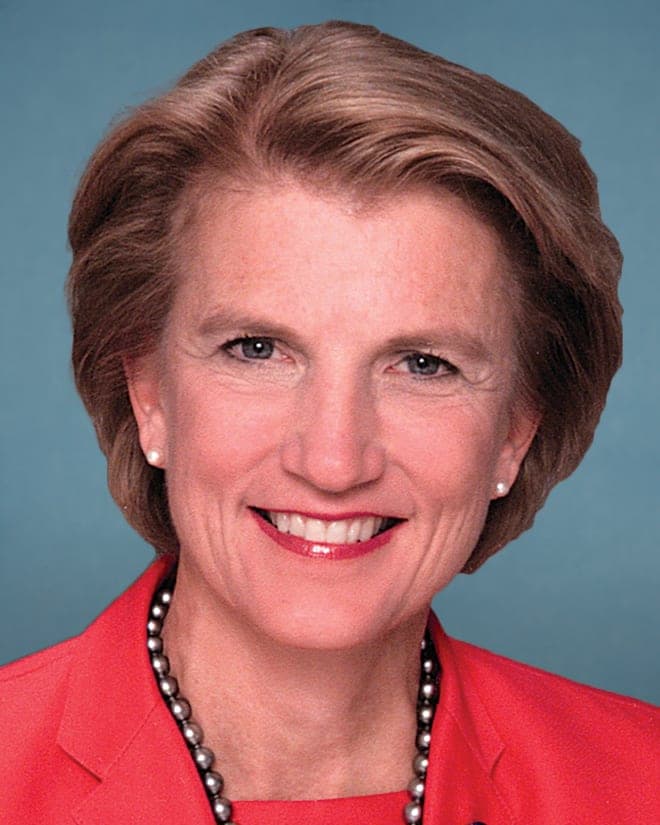
Senator who negotiated permitting reform language
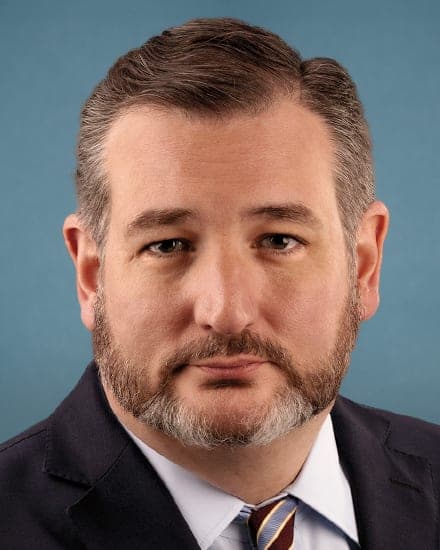
Senator who filed a brief in the Suncor dispute
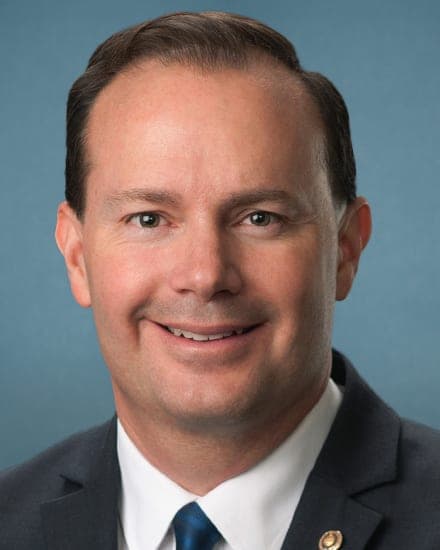
Senator who negotiated permitting reform language
Discussion · 0
Loading comments…