PARITY Act would end higher education's 90/10 double standard
Mark Harris sponsored the PARITY Act, which the editorial urges Congress to advance.

SOURCE CHECK
TAP FOR WHYThe Washington Times is an established national newspaper, but this article is an unattributed, strongly argued piece rather than transparently sourced original reporting. Its institutional credibility is stronger than that of an aggregator or blog, though the article’s presentation limits confidence in its reporting standards.
- Source type — An established national newspaper, supporting a moderate-to-strong baseline.
- Author attribution — No author is identified, limiting accountability for the claims.
- Editorial standards — The outlet is an established publication, but this article does not show a reporting process or corrections information.
- Transparency — The article attributes one quotation and cites a trade publication, but provides little sourcing for its central claims.
The article gives specific claims and statistics and includes a quotation from a former administration official, but it offers little sourcing for its figures or competing perspectives. Its argument relies heavily on loaded characterization rather than a detailed examination of the rules or their effects.
HOW WE SCORE ↗The article is a one-sided argument for repealing the rule. It briefly quotes a former official’s defense of related rules but does not meaningfully examine opposing arguments or the evidence behind them.
- Counterarguments presented — A former official’s brief defense of the rules appears, but no fuller opposing case is developed.
- Loaded language — Repeatedly uses politically charged descriptions of opponents and higher-education policy.
- Source diversity — Relies on limited attributed material and does not present a range of sources.
- Opinion vs reporting — The piece explicitly advances repeal rather than neutrally reporting competing arguments.
The article uses strongly partisan language, characterizing higher-education policies as liberal control and describing some academic programs as part of a “woke agenda.” It advocates for the PARITY Act without presenting a comparable case for retaining the 90/10 rule.
- Language tone — Uses terms such as “liberals' elitism,” “leftists” and “woke agenda.”
- Framing — Frames the 90/10 rule as a double standard that restricts choice and protects a higher-education cartel.
- Source selection — Includes a defense of the rule from a former administration official but otherwise advances the case for repeal.
- Omission — Does not develop a substantive case for retaining the rule or address counterarguments in detail.
The editorial argues that Congress should pass the PARITY Act to repeal the 90/10 rule, saying the rule disadvantages career colleges and that newer accountability measures make it unnecessary.
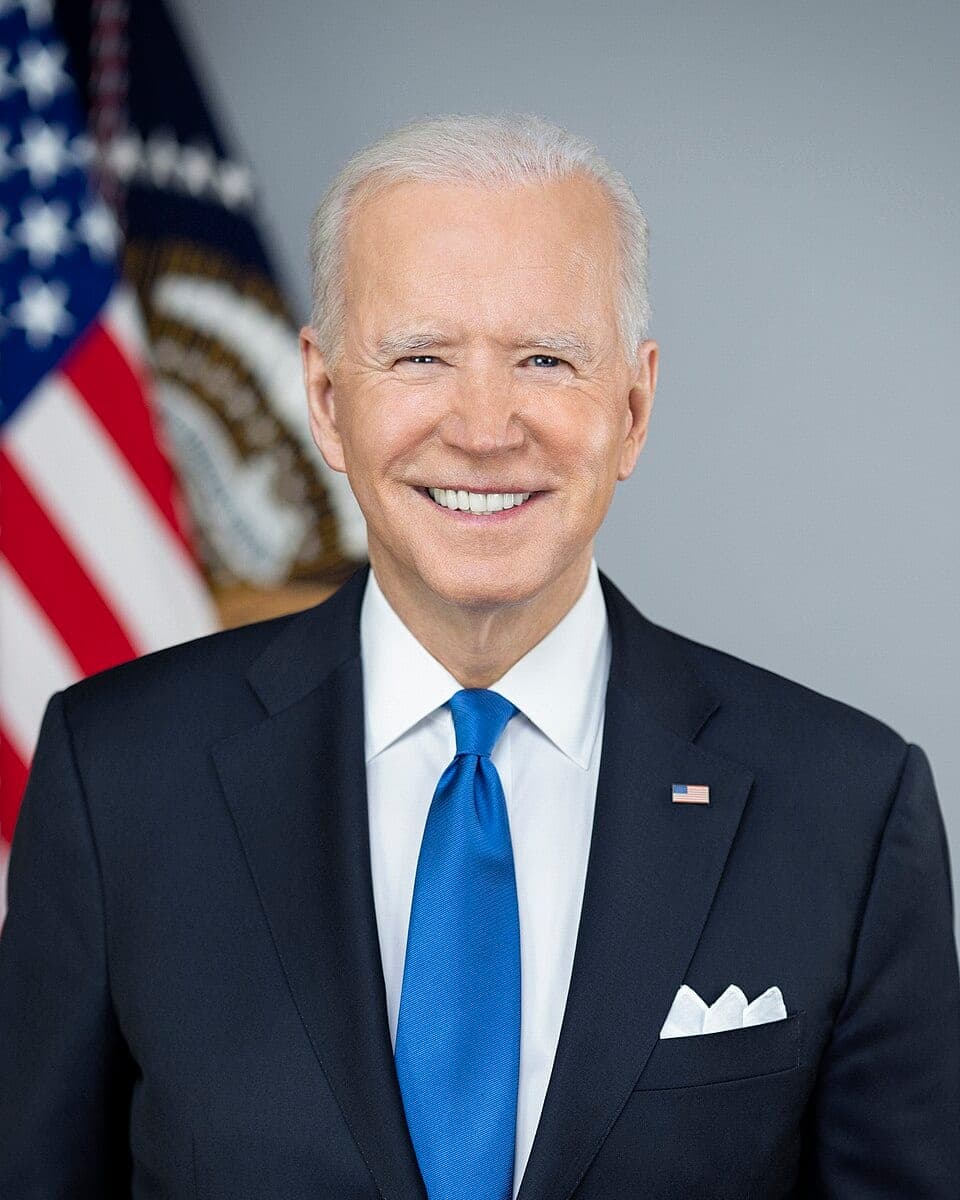
The editorial argues that the 90/10 rule treats career colleges differently from other institutions and limits student choice. It says the Obama and Biden administrations strengthened related higher-education rules, while the One Big Beautiful Bill Act established accountability measures that apply across schools.
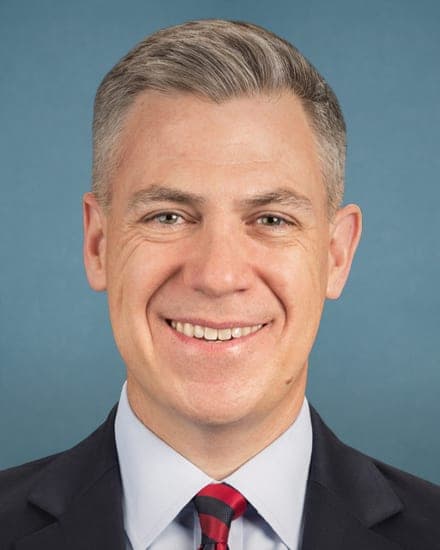
The article says the Department of Education’s AHEAD rulemaking committee replaced gainful employment with an earnings-premium metric under the STATS framework, effective July 1, 2027. It urges the House and Senate education committees to advance the PARITY Act, introduced by Rep. Mark Harris and Sen. Jim Banks, and argues that repeal would create a more consistent standard for colleges.
Community verdict
4 VOTES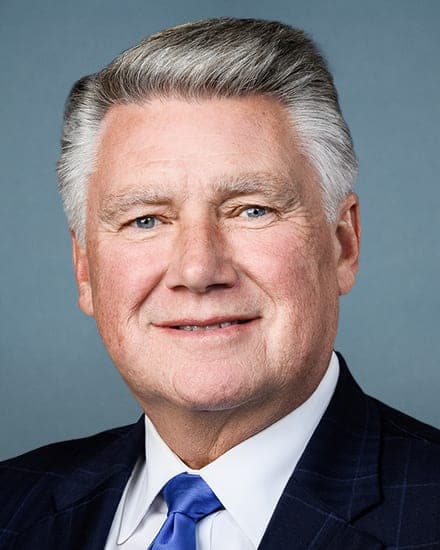
People in this story
SWIPE →
Education secretary

President who signed the One Big Beautiful Bill Act
Former president whose administration is discussed in relation to higher-education rules
Senator and sponsor of the PARITY Act
Discussion · 0
Loading comments…