What is Political Courage?
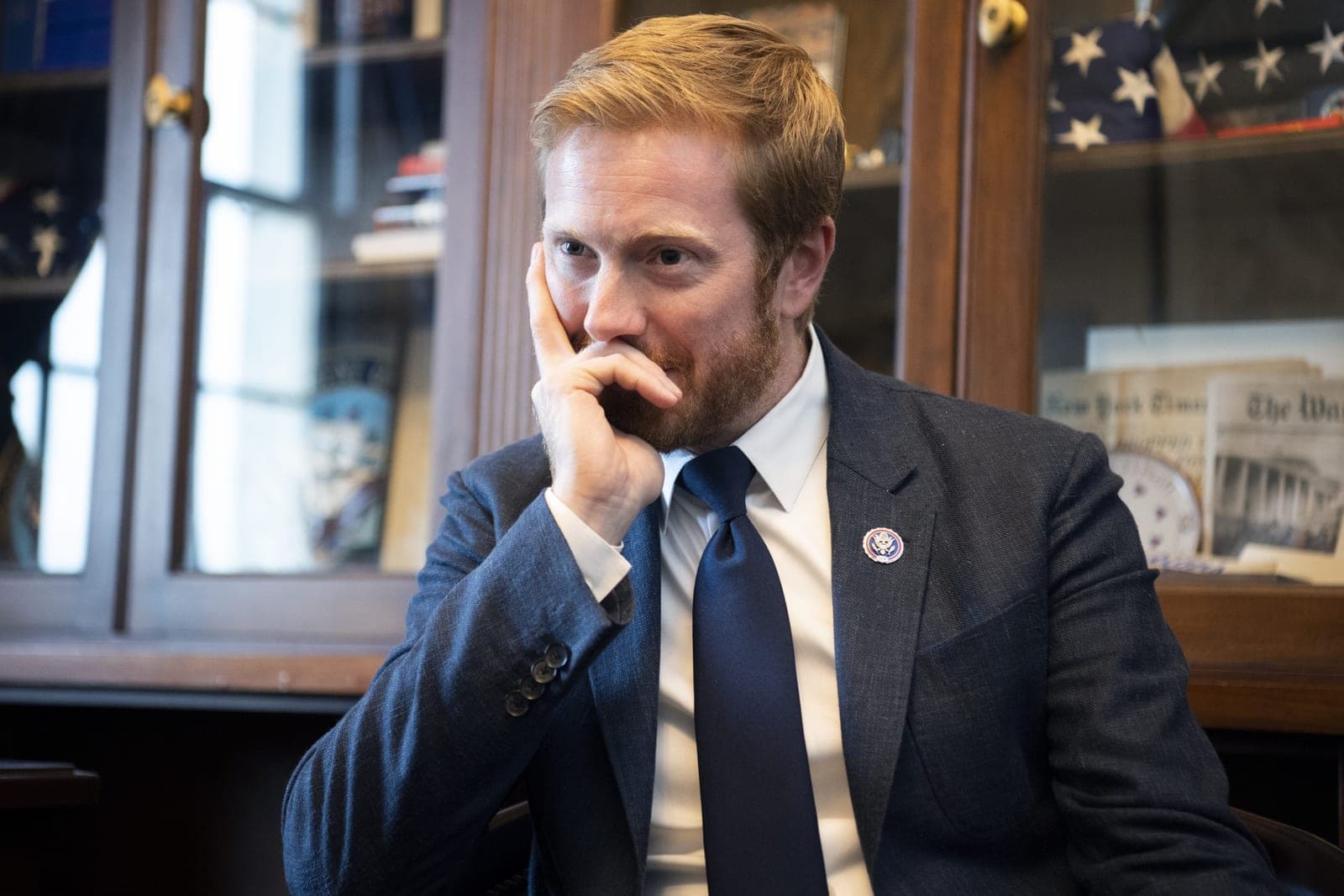
Suozzi says he voted to reopen the government because constituents were suffering and the parties were stalemated.
SOURCE CHECK
TAP FOR WHYWashington Monthly is an established national publication, and the article identifies its author and includes interviews with named current and former lawmakers. The text offers limited documentary detail for some of its broader claims, but its reporting is attributed and its sources are identifiable.
- Source type — Established national publication with a record of political reporting.
- Author attribution — The article names its author and attributes interview statements to the people who made them.
- Transparency — Several named lawmakers and a named news interview are identified, though supporting documents are not linked in the article text.
- Editorial standards — The publisher appears to have an established editorial operation; the text itself does not describe its corrections practices.
The piece draws on named interviews across party lines and gives concrete examples of political choices and their consequences. It is primarily a reflective account rather than a document-heavy investigation, and some historical or electoral claims receive little supporting detail in the text.
HOW WE SCORE ↗The article presents several lawmakers’ experiences from both parties and includes differing interpretations of what courage means. It is a reported essay with a clear authorial theme, not a comprehensive survey of competing views.
- Source diversity — Quotes Democrats and Republicans, including lawmakers with distinct views of political courage.
- Counterarguments presented — Raskin complicates the idea of a purely courageous vote by describing the competing moral and political considerations.
- Opinion vs reporting — The article combines reported interviews with the author's reflective framing and conclusion.
The article uses a reflective, broadly even-handed frame and quotes lawmakers from both parties. Its focus on political courage does not amount to a discernible partisan position.
- Language tone — Mostly measured and descriptive, with the author's interpretive framing focused on political courage.
- Source selection — Includes Democratic and Republican lawmakers and perspectives from a former Republican member.
- Framing — Examines political pressure across party lines rather than assigning it to only one party.
Ron Berler uses the political choices of Tom Suozzi, Don Bacon and Peter Meijer to examine whether members of Congress can act on principle while facing pressure from their parties and voters. Jamie Raskin argues that courage and betrayal can look different depending on who is judging.
Berler contrasts Suozzi’s vote to reopen the government, which he said reflected both concern for constituents and a desire to show openness to compromise, with the political pressure he faced from fellow Democrats. Bacon describes tensions with the MAGA wing of his party and the political costs of crossing party lines; he later endorsed Trump and, after their relationship deteriorated again, announced he would not seek reelection. The article also recounts Meijer’s impeachment vote and his later Senate campaign, which ended after he shifted toward supporting the Republican presidential nominee.
Community verdict
VOTING CLOSED
No good or bad look here
This story reports what happened without casting Suozzi in a good or bad light, so readers don’t rate it and it doesn’t count toward Suozzi’s record.
People in this story
SWIPE →Representative whose vote helped end the federal government shutdown
Former representative whose impeachment vote and later Senate campaign are examples in the article
Meijer's version of this story ↗
Representative whose party-crossing votes and political choices illustrate pressures on lawmakers
Bacon's version of this story ↗
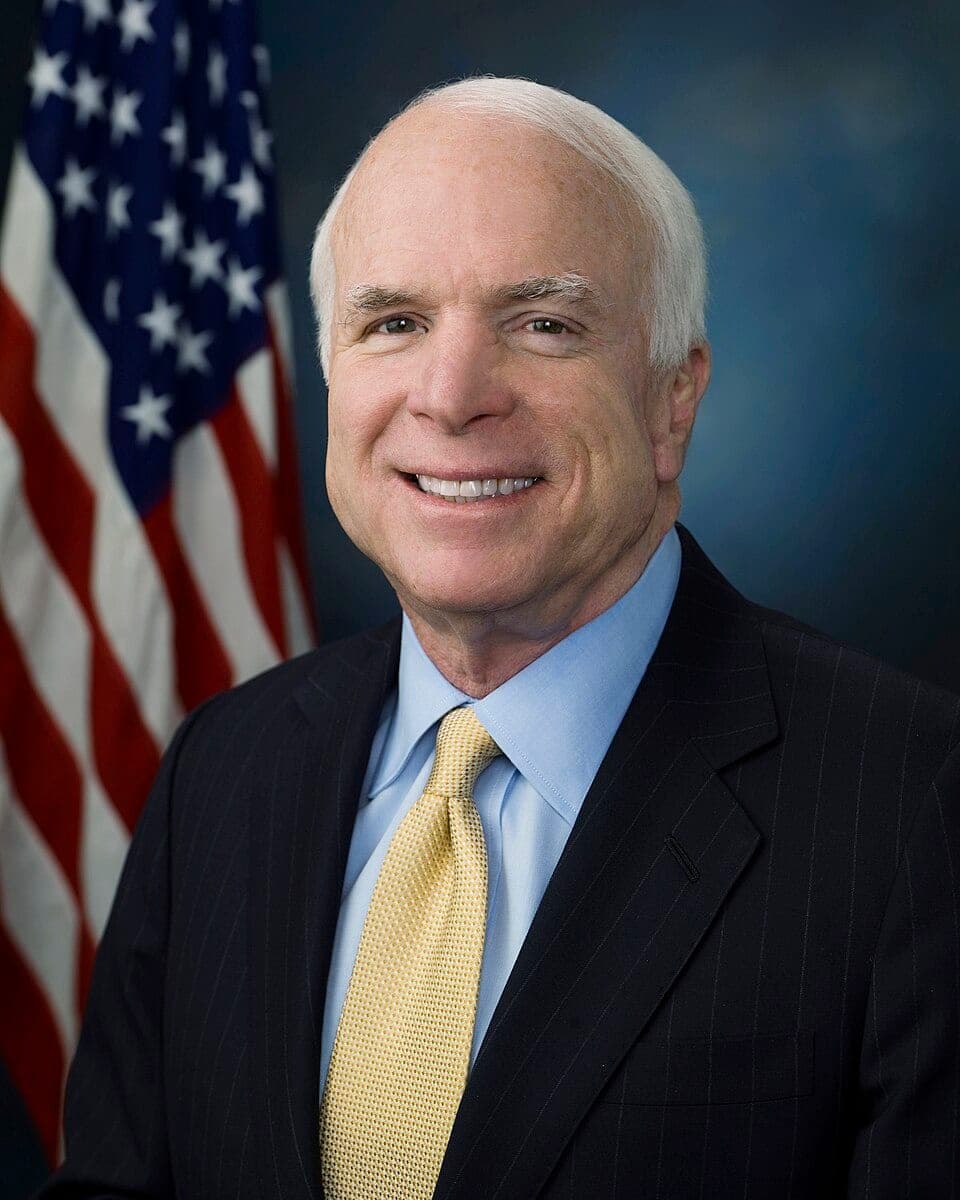
Former senator referenced as an example of a decisive vote

Former representative cited by Raskin as an example of cross-party judgments about courage
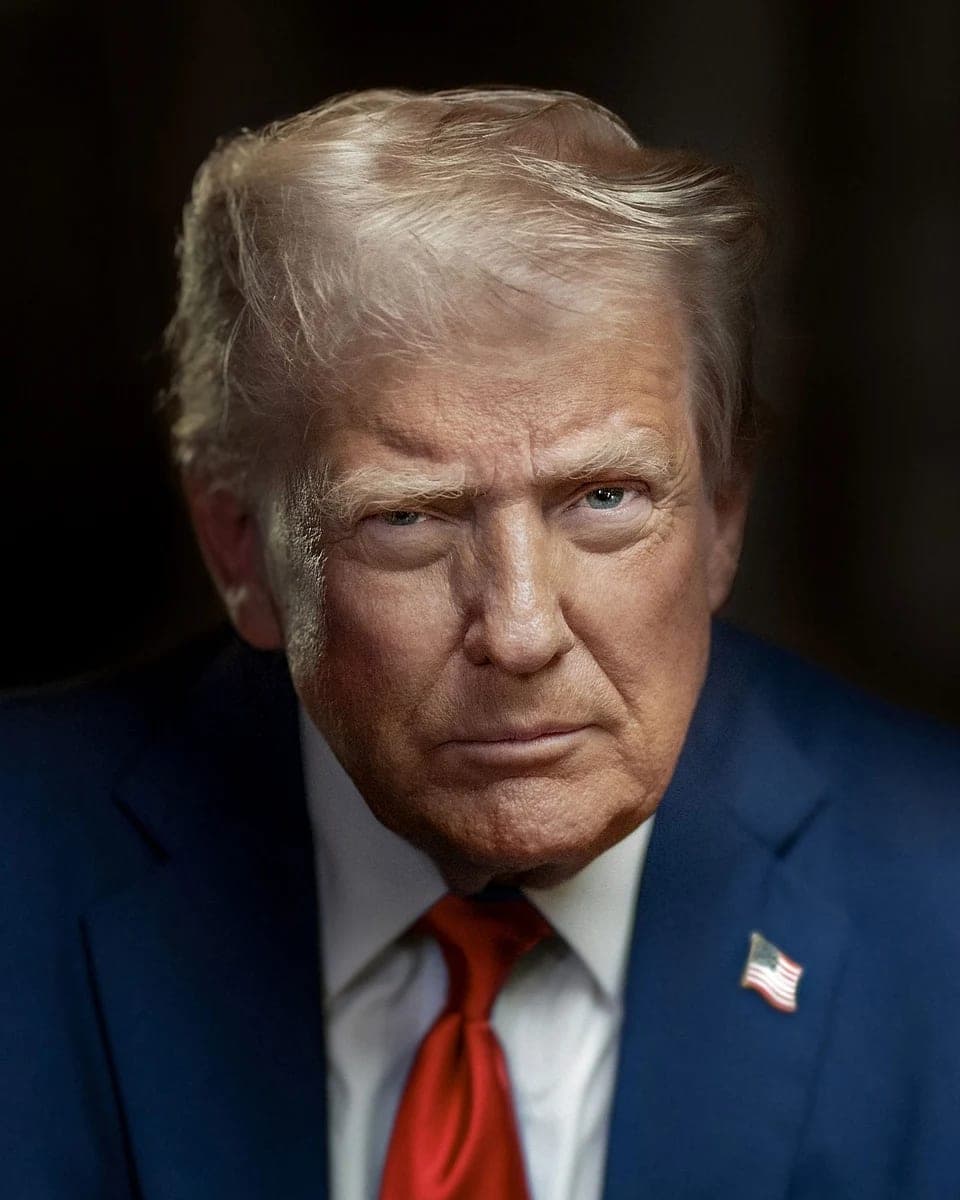
President whose conduct, endorsements and party influence form part of the examples discussed
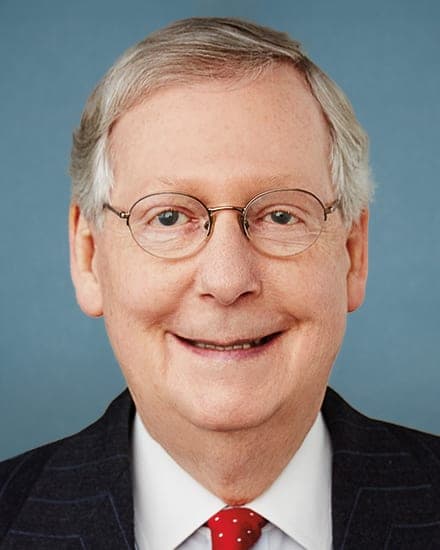
Senator whose post-insurrection criticism of Trump is contrasted with his later reconciliation
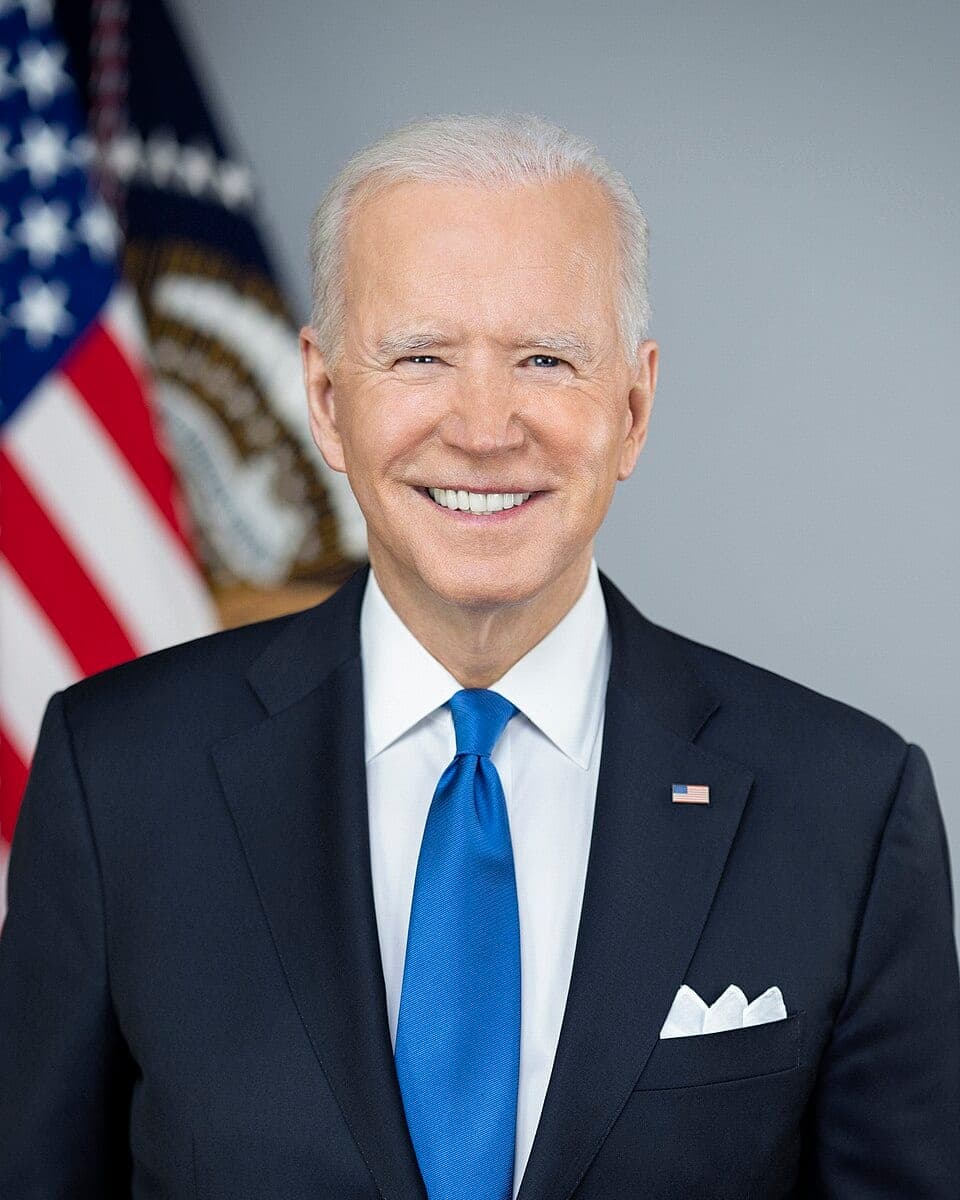
Former president whose election certification and infrastructure bill are referenced
Republican House candidate challenging Suozzi
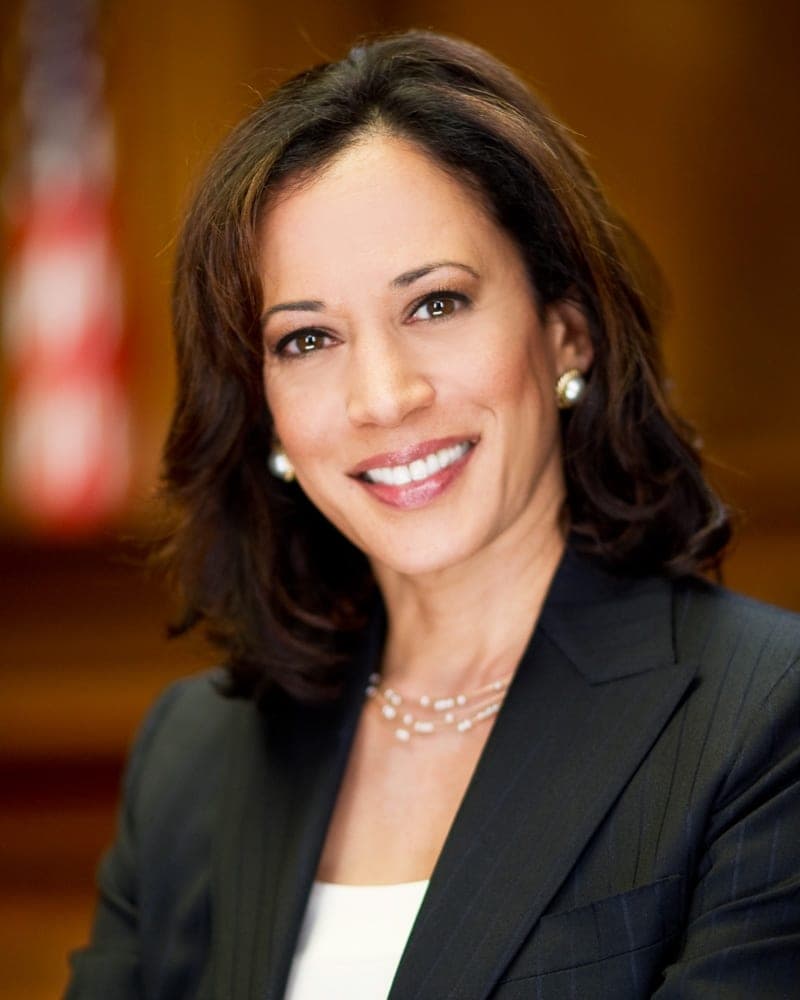
Former presidential candidate whose district result is cited as electoral context for Bacon
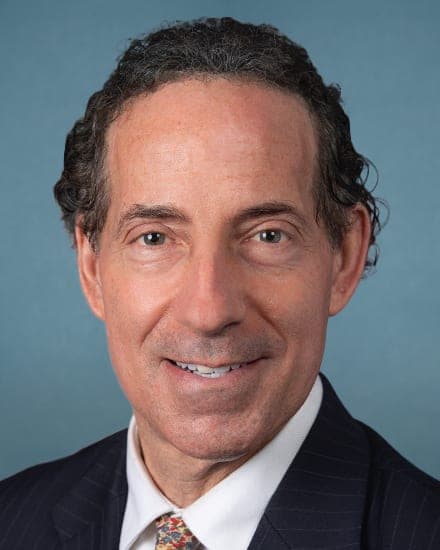
Representative and interviewee reflecting on political courage

Representative whose campaign for Speaker is cited as a source of pressure on Bacon’s family

Former representative quoted on the rarity of political courage in Congress
Discussion · 0
Loading comments…