Trump Shares Republican Senator's Phone Number in Feud Over Time Switch
Trump urged people to call a number he said belonged to Cotton amid their dispute over daylight saving time.

SOURCE CHECK
TAP FOR WHYCredibility rates US News & World Report, which republished this story. The other scores rate the article itself.
Reuters is an established wire service with strong reporting standards and broad original-reporting capacity. Its byline and reporting details support attribution to Reuters, although the article appears on US News.
- Source type — Reuters is a major wire service with a strong institutional record.
- Author attribution — The article credits Reuters reporters and identifies editors.
- Editorial standards — The report attributes statements and describes an attempt to verify the phone number.
- Transparency — The wire-service dateline and reporting credits are disclosed.
The report attributes the competing positions, describes Reuters’ attempt to check the number, and includes a Senate opponent’s view. Cotton’s and Thune’s offices had not responded, and the article provides limited detail on the bill’s legislative prospects.
HOW WE SCORE ↗The report explains Trump’s support for permanent daylight saving time and Cotton’s objection, and includes Kennedy’s opposition. It notes that Cotton’s and Thune’s offices did not respond, leaving their current views on the phone-number post unaddressed.
- Counterarguments presented — The article describes contrasting arguments about permanent daylight saving time.
- Source diversity — It includes statements from Trump, Cotton and Kennedy, along with Reuters’ check of the number.
- Omitted context — Cotton’s and Thune’s offices did not respond, limiting comment on the phone-number post.
- Loaded language — The report relies on attributed quotations rather than adopting inflammatory language.
The report uses straightforward language, attributes the positions on the time change, and gives context for both sides without adopting a discernible partisan frame.
- Language tone — The account is largely factual and avoids partisan characterization.
- Source selection — It includes Trump’s and Cotton’s positions and Kennedy’s opposition to the bill.
- Framing — The story centers on the phone-number post and the underlying dispute without endorsing either side.
Republished with credit
Republished from Reuters, with credit to the original publisher.
120 stories · 95–96 · updated Oct 4, 2026
This is Reuters's own score, and this article is credited to Reuters. The host score in the Source Check is US News & World Report's.
President Donald Trump posted a phone number he said belonged to Sen. Tom Cotton and urged people to call, escalating their dispute over making daylight saving time permanent. The Senate bill faces opposition from Cotton and Sen. John Kennedy, and Kennedy said he did not expect Majority Leader John Thune to bring it up for a vote.
Trump’s post was his second in as many days about Cotton’s opposition to the Sunshine Protection Act, which would make daylight saving time permanent. A call to the Arkansas number went to a voicemail box that did not identify itself as Cotton’s. Trump said the change would provide more afternoon sunlight; Cotton has argued it would leave early risers in winter darkness.
The House passed the bill in July. Kennedy called it “dead as disco” and said he did not think Thune would bring it to a vote. Cotton and Thune’s offices did not immediately respond to requests for comment.
Community verdict
12 VOTES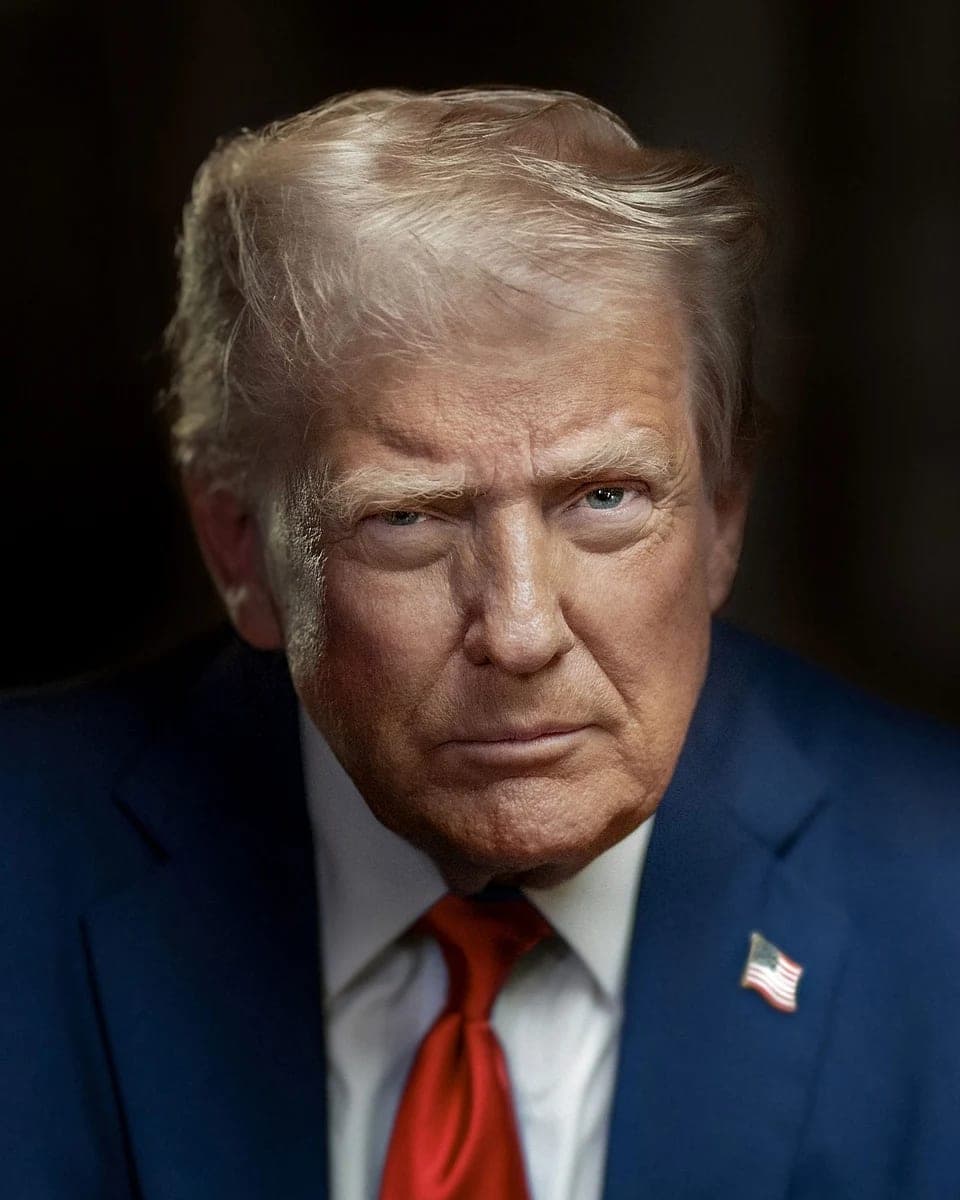
People in this story
SWIPE →President who posted a phone number he said belonged to Cotton

Arkansas senator opposing permanent daylight saving time and the target of Trump’s post
Cotton's version of this story ↗
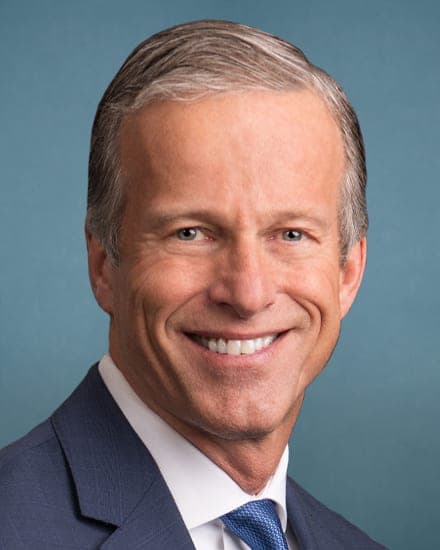
Senate majority leader whom Kennedy said he did not expect to bring the measure to a vote

Louisiana senator who opposed the bill and commented on its prospects
Part of a bigger story
50 OUTLETSOutlets agree that Trump posted a number he identified as Sen. Tom Cotton’s and urged Arkansans to contact him in support of permanent daylight saving time. The House had passed the measure, but it remained stalled in the Senate. Left-leaning outlets focus on the phone-number post as a pressure tactic and its fallout, often criticizing Trump’s conduct. Center outlets largely recount the policy dispute, Cotton’s objections, and the phone-number post in descriptive terms. Right-leaning outlets emphasize Trump’s push to advance the bill and Cotton’s opposition, while also reporting the post and criticism it drew.
- ARTICLES
- 75
- OUTLETS
- 50
- AVG CRED
- 68
Discussion · 0
Loading comments…