How Data Center Politics Are Rewriting The 3rd District Playbook
His campaign highlighted Cooke’s organizational ties as both candidates connected their opponents to data-center policies.

SOURCE CHECK
TAP FOR WHYCredibility rates Urban Milwaukee, where this article appeared. The other scores rate the article itself.
Urban Milwaukee is a local news outlet, but this page attributes the story to Wisconsin Examiner rather than presenting it as original reporting. The short article offers limited sourcing with no named sources beyond the campaigns and organizations discussed.
- Source type — A local news publisher, a generally credible source category.
- Transparency — The page identifies Wisconsin Examiner as the original publisher.
- Author attribution — A named author is listed in the article metadata.
The article presents campaign activity from both sides and gives concrete examples, but it is brief and relies on descriptions of campaign messaging without direct quotes from the candidates, independent sources, or much context about the policies at issue.
HOW WE SCORE ↗The article describes campaign messaging on both sides, but provides little direct evidence or response from the candidates and does not explore the arguments for or against data-center development in depth.
- Source diversity — Both campaigns’ actions are described, but the article does not quote the candidates or independent sources.
- Counterarguments presented — The campaigns’ competing criticisms are noted, but the substantive policy arguments are not developed.
- Omitted context — Limited context is provided about the data-center policies and their effects.
The article describes campaign attacks from both sides in neutral language and does not endorse either candidate or a position on data centers.
- Language tone — Mostly descriptive wording; quoted campaign labeling is attributed.
- Source selection — Covers campaign activity by both candidates and notes voter opposition to data-center projects.
- Framing — Frames the issue as an electoral strategy used by both parties.
Original publisher not identified
This article credits another publisher, which ChamberLight has not identified, so the scores are Urban Milwaukee's own.
Campaigns in Wisconsin’s 3rd Congressional District are using voters’ opposition to data centers to criticize one another ahead of November’s election. The story says local opposition helped stop a proposed Menomonie development last year.
The article describes data-center development as an emerging issue in Wisconsin’s 3rd District race between Republican Derrick Van Orden and Democrat Rebecca Cooke. Van Orden’s campaign highlighted Cooke’s past work with organizations that supported data-center projects. Cooke’s campaign and the Democratic-aligned House Majority PAC ran ads criticizing Van Orden’s industry-linked campaign contributions and his vote for the One Big Beautiful Bill Act, which the article says included tax breaks used by data-center developers.
The House Majority PAC ad called Van Orden “Data Center Derrick.” The story also notes that Republican Tom Tiffany has run ads criticizing gubernatorial candidate David Crowley’s previous support for data-center projects. Voters in the western Wisconsin district have opposed data-center projects, and residents helped stop a proposed development in Menomonie last year.
Community verdict
12 VOTES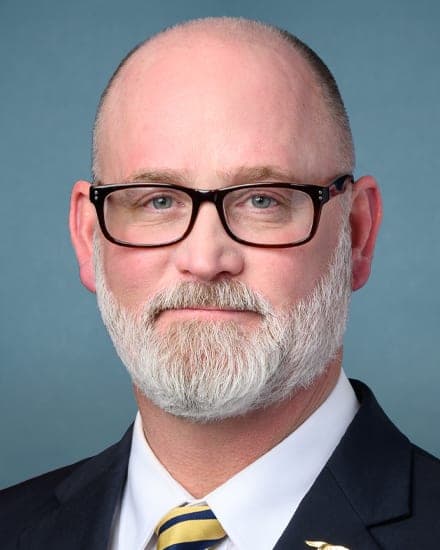
People in this story
SWIPE →Republican representative and 3rd District candidate whose campaign is involved in the data-center dispute

Democratic House candidate whose campaign criticized Van Orden over data-center ties
Cooke's version of this story ↗
Republican candidate for governor whose ads criticized David Crowley’s past statements
Discussion · 0
Loading comments…