Nearly 100 Billionaires Donate to Collins in Race That May Decide Senate Control
The article examines the large-donor funding and fundraising arrangements supporting her reelection campaign.
SOURCE CHECK
TAP FOR WHYCredibility rates Truthout, which republished this story. The other scores rate the article itself.
The page is published by an opinion-oriented outlet, but the article attributes its underlying campaign-finance analysis to The Maine Monitor and describes use of FEC records. The reporting appears evidence-based, though the page provides limited information here about corrections or editorial standards.
- Source type — The publisher is recorded as opinion, which lowers the institutional prior for straight-news reporting.
- Transparency — The article names the Maine Monitor as the source of its analysis and identifies Federal Election Commission data.
- Author attribution — An author is identified, and the article describes interviews and requests for comment.
- Editorial standards — The text does not provide enough information to assess corrections practices or the publisher's broader standards.
The article provides detailed fundraising figures, explains its donor-matching method, cites campaign-finance records and includes comments from academic experts and the Platner campaign. Collins’ campaign did not respond, leaving little direct response from her side to the article’s examination of the fundraising arrangements.
HOW WE SCORE ↗The article presents detailed fundraising figures for both candidates, explains the relevant fundraising structures, and includes expert comments and a statement from Platner’s campaign. Collins’s campaign declined to respond, so the article lacks a direct account from her campaign on the issues it examines.
- Source diversity — The report uses campaign-finance data, academic experts and a statement from Platner’s campaign.
- Counterarguments presented — It reports Collins’s campaign did not respond, and does not present a substantive defense from her campaign.
- Opinion vs reporting — Although published by an opinion-oriented outlet, the article itself is primarily reported and attributes claims to sources.
- Omitted context — It provides context on small-dollar donations, outside spending and fundraising rules, though direct comment from Collins’s campaign is absent.
The report uses largely factual language, but its headline and framing emphasize billionaire support for Collins and contrast it with Platner’s small-dollar fundraising. The discussion of linked fundraising arrangements and ads also foregrounds concerns about large-donor influence.
- Headline — The headline foregrounds the number of billionaire donors to Collins and the race's potential effect on Senate control.
- Framing — The article repeatedly contrasts Collins’s billionaire support with Platner’s small-dollar fundraising.
- Language tone — Most of the report uses restrained, attributed language rather than overtly partisan or inflammatory wording.
- Source selection — It includes expert analysis and a comment from Platner’s campaign, while Collins’s campaign did not respond.
Republished with credit
Republished from Maine Morning Star, with credit to the original publisher.
12 stories · 70–78 · updated Oct 5, 2026
This is Maine Morning Star's own score, and this article is credited to Maine Morning Star. The host score in the Source Check is Truthout's.
The article compares billionaire donations supporting Susan Collins’ reelection campaign with Graham Platner’s more small-donor-funded campaign, as the Maine Senate race could affect control of the Senate. It also examines how the fundraising groups are connected and the scale of outside spending.
A Maine Monitor analysis of campaign finance data found that at least 79 billionaires donated to groups supporting Collins between January 2025 and May 20, 2026; including spouses brought the count to 97. Together, they contributed $9.8 million, about a third of what groups supporting Collins raised from all donors. Most of the billionaire money went to the Pine Tree Results super PAC, which has booked $24 million in ads leading up to the general election.
The article contrasts that fundraising with Platner’s campaign, which raised $16.3 million over the same period and received about 60 percent of its donations from donors giving $200 or less. Platner’s campaign manager described it as “built on a movement funded by the people.” The story also explains how fundraising agreements connect Collins-supporting groups and describes large ad commitments by groups aligned with both parties.
Community verdict
VOTING CLOSED
No good or bad look here
This story reports what happened without casting Collins in a good or bad light, so readers don’t rate it and it doesn’t count toward Collins’s record.
People in this story
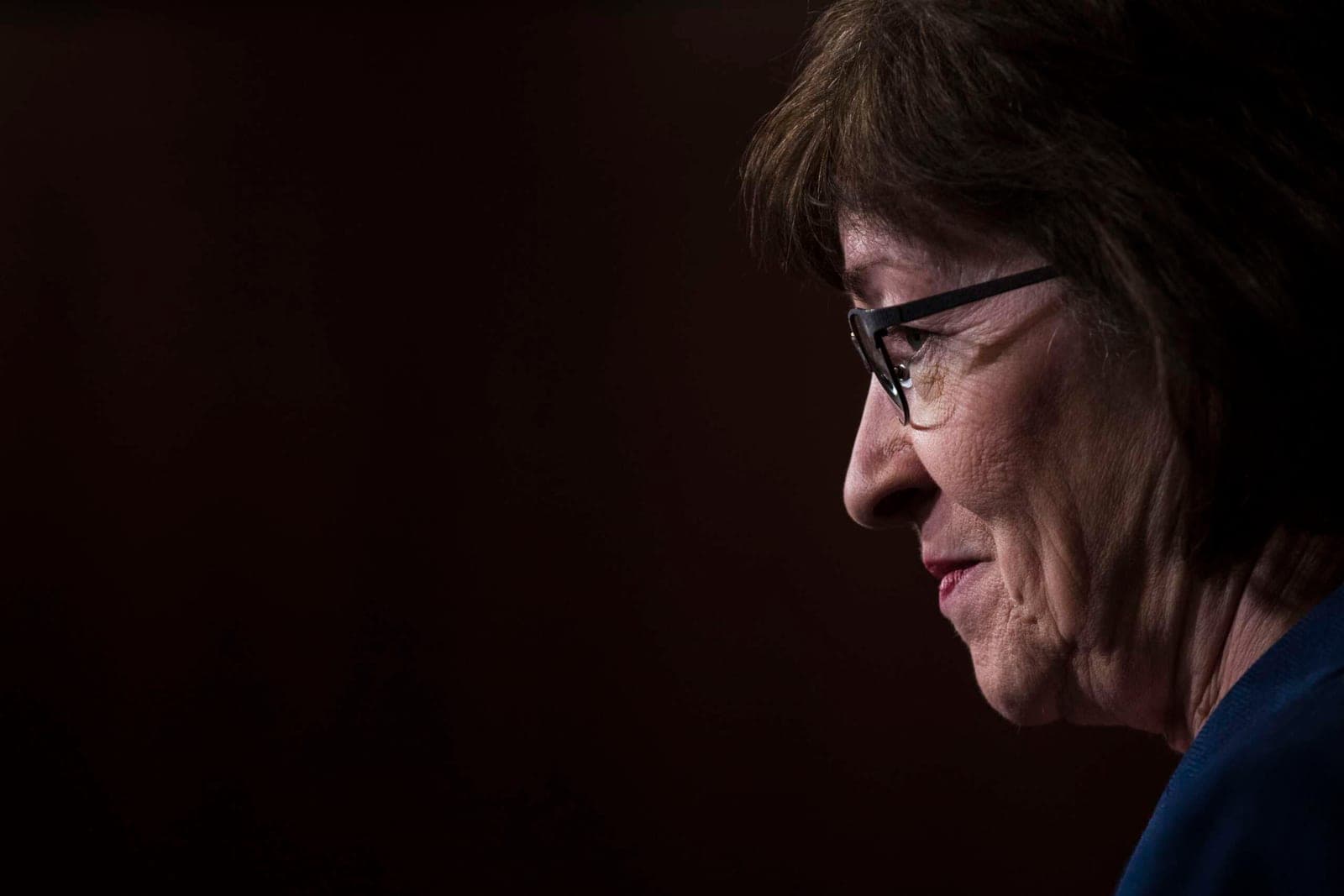
SWIPE →Maine senator and subject of reporting on donations to groups supporting her reelection

Democratic Senate candidate whose fundraising is contrasted with Collins’s
Platner's version of this story ↗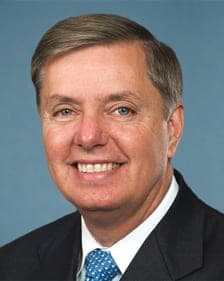
South Carolina senator whose campaign fundraising agreement is discussed as a precedent
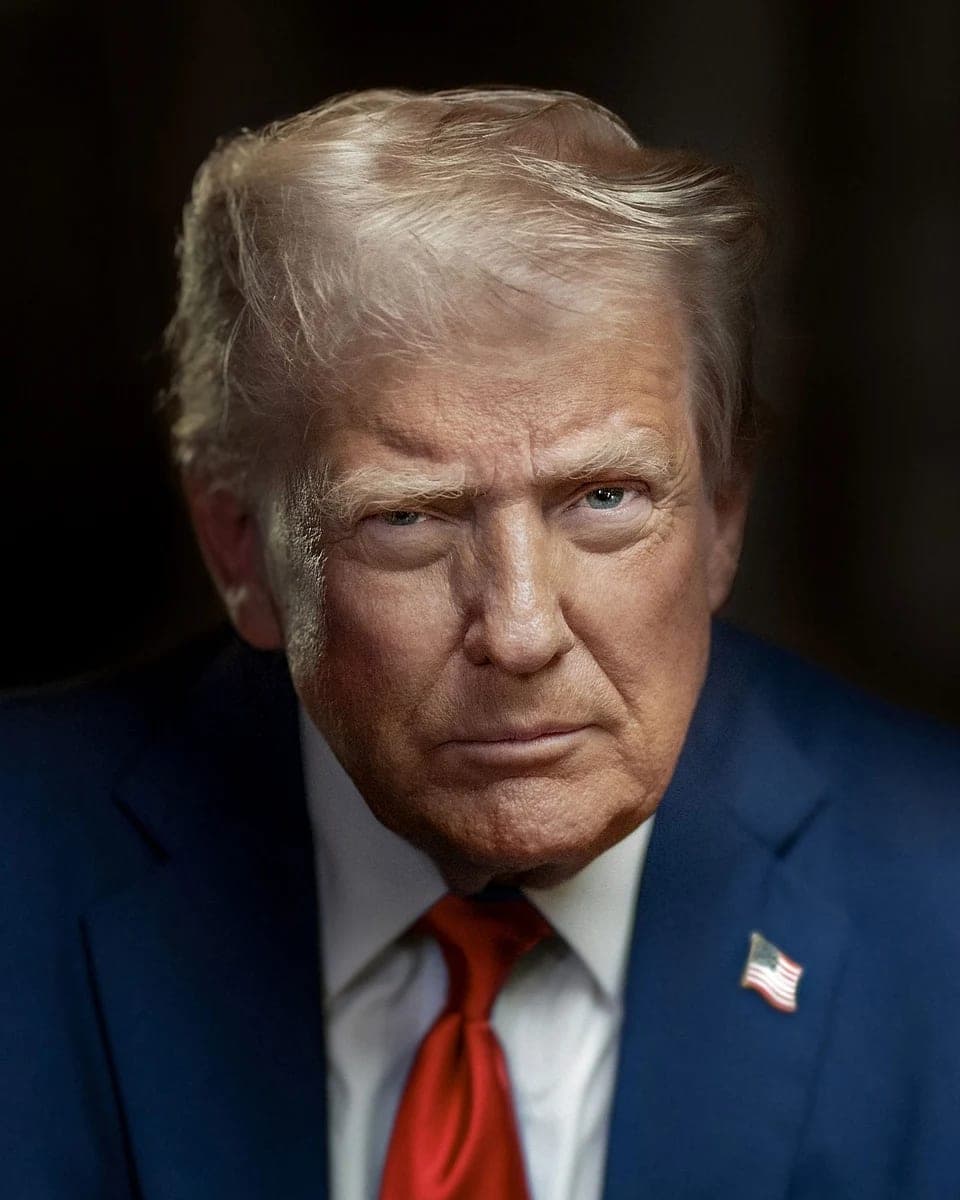
President who fired former FEC chair Ellen Weintraub in 2025
Part of a bigger story
7 OUTLETSAn analysis found that billionaires and their spouses gave $9.8 million to groups supporting Susan Collins since 2025, while Graham Platner’s campaign relied more on small-dollar donations. Left-leaning outlets emphasize the billionaire-backed network and its contrast with Platner’s fundraising, including the race’s potential effect on Senate control. Center outlets make a similar comparison while also examining fundraising arrangements and outside spending. Right-leaning outlets instead focus on whether Democratic attacks over Collins’s Kavanaugh vote could backfire, presenting Platner as politically vulnerable.
- ARTICLES
- 7
- OUTLETS
- 7
- AVG CRED
- 61
Discussion · 0
Loading comments…