Mark Zuckerberg Reportedly Helped Shape Trump's AI Rules, Ro Khanna Says 'Cannot Trust Tech Billionaires to Self-Police'
Trump released the voluntary framework that Khanna criticized and that Zuckerberg reportedly helped shape.

SOURCE CHECK
TAP FOR WHYCredibility rates TradingView, which republished this story. The other scores rate the article itself.
The article appears to be Benzinga reporting carried in TradingView's Benzinga feed. Benzinga is an established financial-news publisher, though this short item relies on a report from Semafor for key details and provides limited sourcing beyond that.
- Source type — TradingView hosts this item in a Benzinga-labeled feed; the reporting is attributed to Benzinga.
- Transparency — The article names Semafor as the source of the account about how the framework developed.
- Author attribution — No individual author is identified.
- Editorial standards — The article says Benzinga editors reviewed its AI-assisted content, but supplies little information about corrections or broader editorial practices.
The story attributes Khanna's comments and the account of the framework's development to named sources, and notes that Meta had not responded. It offers little independent verification or response from the other participants, so the reporting is informative but limited.
HOW WE SCORE ↗Khanna's objections receive most of the attention, while the article provides no response from Trump or the other participants in shaping the framework. It does attribute the account of the framework's origins to Semafor and notes that Meta did not respond.
- Counterarguments presented — No substantive defense of the voluntary framework is presented.
- Source diversity — The story includes Khanna's statements and a report attributed to Semafor, but few perspectives.
- Opinion vs reporting — The article is written as news and attributes evaluative claims to Khanna.
- Omitted context — The reasons for the framework's voluntary design and the other participants' views are not explained.
The article foregrounds Khanna's criticism but attributes it to him and presents the reported origins and release of the framework in largely neutral language. It does not clearly endorse a political position.
- Language tone — Mostly factual wording, with critical quotations attributed to Khanna.
- Framing — The headline emphasizes Khanna's warning, while the article also reports how the voluntary framework was developed and released.
- Source selection — Khanna's comments and Semafor's account are included; Meta's lack of response is noted.
Republished with credit
Republished from Benzinga, with credit to the original publisher.
99 stories · 62–63 · updated Oct 6, 2026
This is Benzinga's own score, and this article is credited to Benzinga. The host score in the Source Check is TradingView's.
Rep. Ro Khanna criticized President Donald Trump's voluntary AI framework, arguing that technology companies should not set their own rules. Semafor reported that Mark Zuckerberg helped shape the framework after discussing AI regulation with House Speaker Mike Johnson.
Khanna criticized the voluntary AI agreement, saying it lacked penalties and a timeline and that technology companies should not police themselves. He argued that tech executives should not write rules intended to protect the public and jobs.
Semafor reported that the idea for the White House framework emerged from a conversation between Zuckerberg and Speaker Mike Johnson, and that Zuckerberg later circulated a draft before a meeting with Trump and AI executives. Trump released the document as a voluntary framework; Meta had not immediately responded to Benzinga's request for comment.
Community verdict
8 VOTES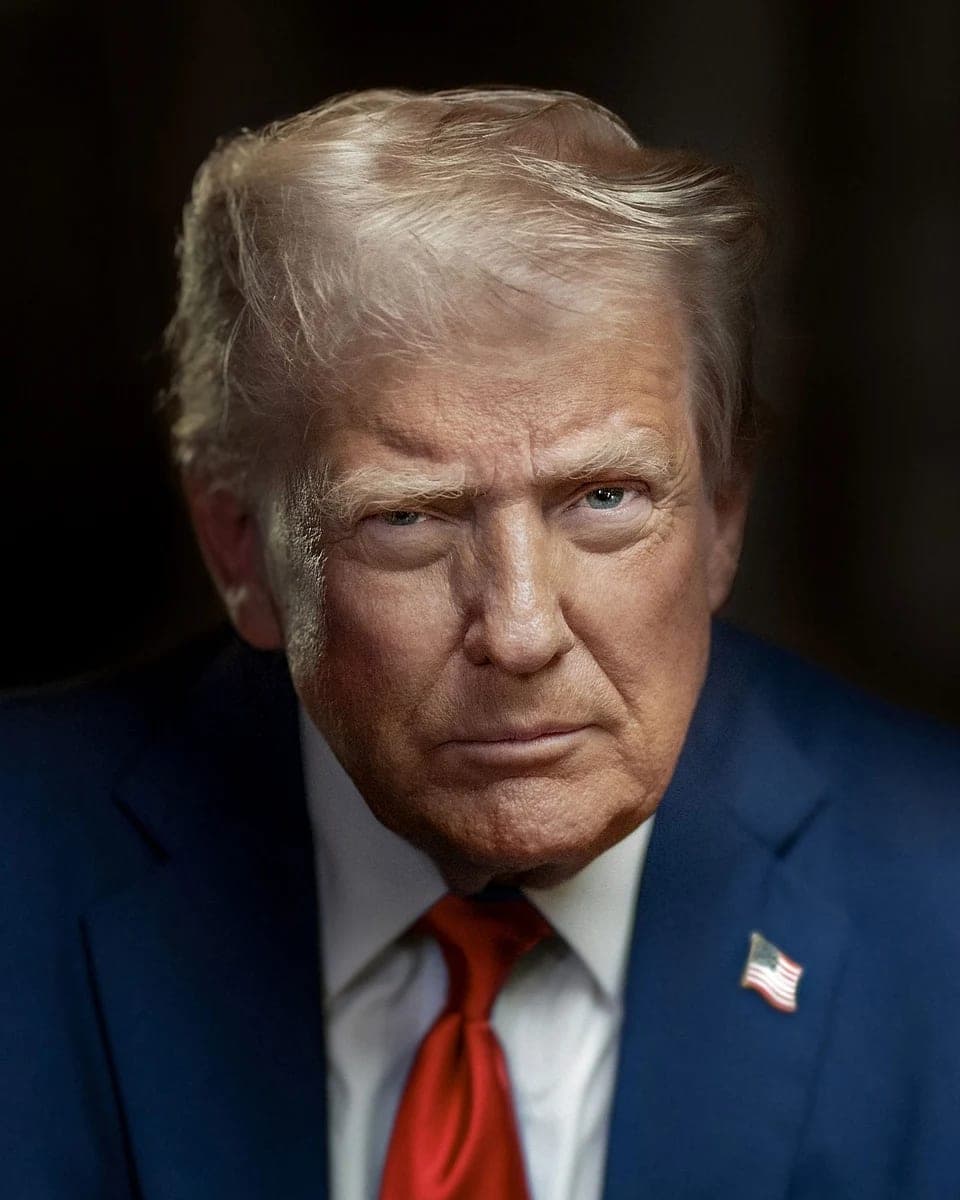
People in this story
SWIPE →President who released the voluntary AI framework
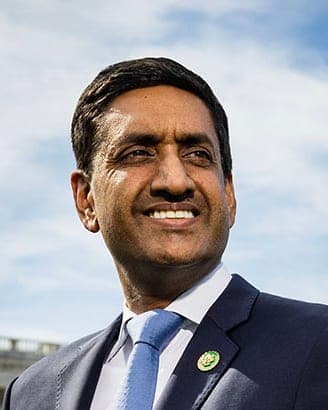
Representative criticizing the voluntary AI framework
Khanna's version of this story ↗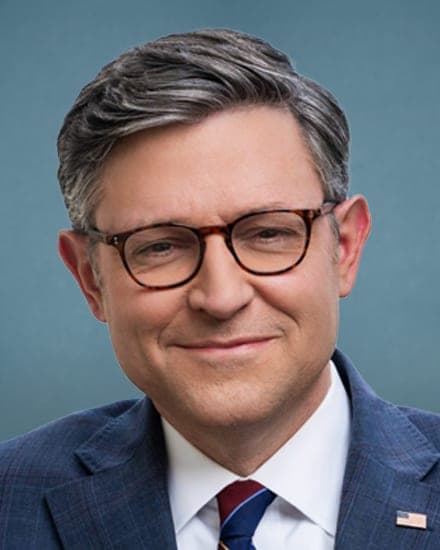
House Speaker who reportedly discussed AI regulation with Zuckerberg
Part of a bigger story
11 OUTLETSOutlets agree that President Donald Trump met with technology executives at the White House and endorsed a voluntary accord establishing self-regulation principles for artificial intelligence. Left-leaning outlets focus on internal Republican divisions, highlighting Sen. Josh Hawley's push for binding safety legislation over Trump's voluntary standards. Center outlets center on congressional pushback, contrasting the administration's voluntary framework with Democratic calls for federal guardrails. Right-leaning outlets defend the agreement, framing voluntary self-regulation and market competition as preferable to government oversight.
- ARTICLES
- 12
- OUTLETS
- 11
- AVG CRED
- 59
- Raw Story · MAGA senator creating a mess for Trump over president's newest obsession: report
- Yahoo News · Trump Doing 'Free PR' For AI Bosses, Says Ro Khanna: He Also Let Xi Jinping 'Walk Away' Without Tech Treaty
- New York Post · Here’s the real reason President Trump invited all those AI moguls to lunch this week
Discussion · 0
Loading comments…