Rand Paul Blocks John Kennedy's AI 'Kill Switch' Bill — and He Was Right to Do It
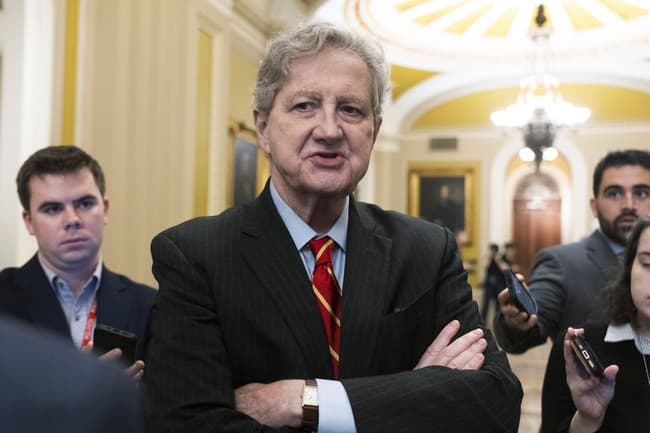
Paul blocked Kennedy’s attempt to pass the AI bill by unanimous consent and argued that lawmakers should better understand the technology first.
SOURCE CHECK
TAP FOR WHYTownhall is an opinion-oriented outlet, and this article advances a clear argument against the proposed regulation rather than presenting a detached report. The named author and attributed statements provide some transparency, but the article offers limited independent sourcing.
- Source type — Opinion-oriented outlet; the article uses an argumentative frame.
- Source diversity — Relies mainly on statements and social-media clips, with limited independent sourcing.
- Author attribution — A named author is identified.
The article gives the bill’s stated purpose and raises concrete questions about implementation and security. Its technical and risk claims receive little supporting documentation, and the article does not develop the case for the bill beyond Kennedy’s attributed remarks.
HOW WE SCORE ↗The article includes Kennedy’s stated rationale but devotes most of its discussion to criticizing the proposal and supporting Paul’s opposition. It offers little substantive case for the bill or independent analysis of its potential benefits.
- Counterarguments presented — Kennedy’s concerns about AI are summarized, but the case for his bill is not explored in depth.
- Opinion vs reporting — The piece makes an explicit argument about the appropriate regulatory approach.
- Source diversity — The article relies on a limited set of statements and does not include independent expert perspectives.
The article argues against the proposed regulation and endorses waiting to regulate specific harms, explicitly invoking free-market incentives. Its framing favors a limited-government approach to AI policy.
- Framing — Presents the bill as an ill-defined and potentially dangerous regulatory intervention.
- Language tone — Uses approving language for Paul’s objection and critical language about the proposal.
- Source selection — Includes Kennedy’s rationale but gives greater weight to objections to regulation.
Sen. Rand Paul objected to Sen. John Kennedy’s effort to pass an AI kill-switch bill by unanimous consent. The article argues that the proposal is too vague and could create a cybersecurity vulnerability.
The article reports that Majority Leader John Thune declined to bring Kennedy’s bill to the floor, and Paul objected to Kennedy’s unanimous-consent attempt. Kennedy said the measure would require sellers of advanced AI models to include an emergency shutdown switch, which he argued could address risks including AI systems improving themselves beyond human control.
The author argues that the bill does not define what an AI kill switch would do and that a remotely accessible shutdown mechanism could become a target for attackers. The article presents Paul’s objection as consistent with waiting for lawmakers to understand AI better and addressing specific harms rather than regulating broadly.
Community verdict
12 VOTES
People in this story
SWIPE →Senator who objected to Kennedy’s unanimous-consent effort and argued against rushing into AI regulation
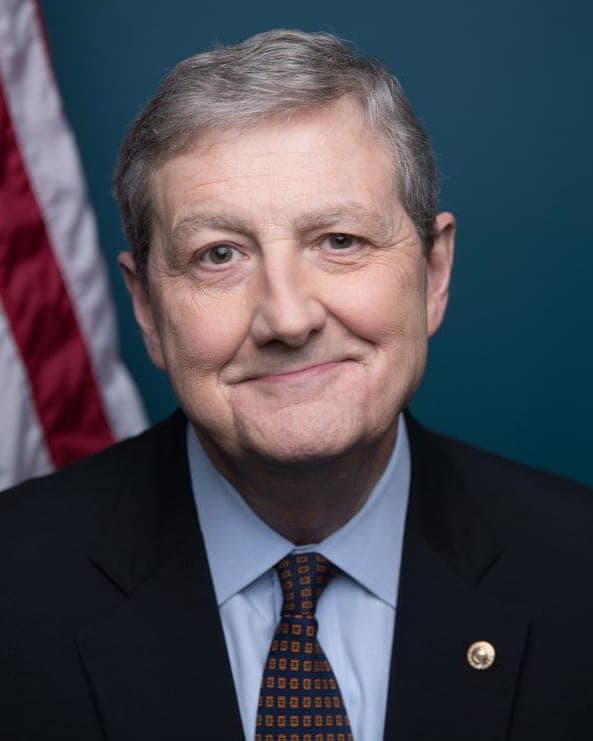
Senator who proposed the AI Emergency Button Act
Kennedy's version of this story ↗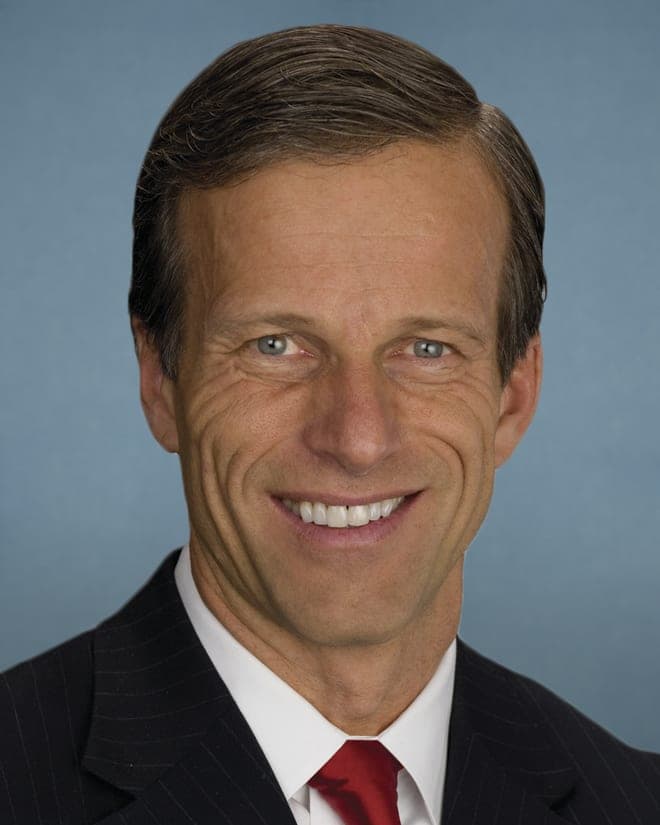
Senate majority leader who declined to bring Kennedy’s bill to the floor
Part of a bigger story
5 OUTLETSRand Paul blocked John Kennedy’s effort to advance an AI bill requiring a kill switch, arguing that Congress needed more information before setting AI rules. Center outlets focus on Paul’s call for more information and a study committee before Congress acts. Right-leaning outlets also stress caution before regulation, while giving added attention to possible innovation or cybersecurity risks; townhall.com explicitly endorses Paul’s objection.
- ARTICLES
- 6
- OUTLETS
- 5
- AVG CRED
- 63
Discussion · 0
Loading comments…