Peters proposes federal carbon removal system. Advocates aren't optimistic
Peters is backing a federal carbon-removal bill and says the technology could offer opportunities for the San Diego region.

SOURCE CHECK
TAP FOR WHYTimes of San Diego is a local news outlet with an identified author and original interviews, supporting a credible but not top-tier institutional rating. The article provides expert sources and contextual reporting, though the supplied information does not establish its corrections practices.
- Source type — Local news reporting; a credible regional source, though not a major national or wire-service outlet.
- Author attribution — The story names an author and identifies the outlet conducting the interview.
- Transparency — The article identifies interviewed experts and their institutional roles.
- Correction history — No corrections policy or history is established by the supplied article.
The article includes comments from Peters and multiple named experts, explains the bill's aims and technical challenges, and reports skepticism about its prospects. It offers useful context but little direct perspective from lawmakers or other political opponents of the bill.
HOW WE SCORE ↗The article gives space to Peters's case for the bill and to experts discussing implementation challenges and the bill's unlikely near-term passage. It does not include a direct argument from a political opponent or a contrasting policy perspective.
- Counterarguments presented — Experts raise practical and political obstacles, though no opponent of the bill is interviewed.
- Source diversity — The story includes a lawmaker and experts from carbon-removal organizations and research institutions.
- Loaded language — The article's language is mostly neutral, with its skeptical outlook attributed to sources.
- Omitted context — A direct opposing political perspective and further legislative detail are absent.
The article uses mostly descriptive language and attributes its claims to Peters and interviewees. Its focus on carbon-removal benefits and climate risks is not, by itself, evidence of a partisan lean.
- Language tone — The writing is primarily explanatory and attributes evaluative claims to interviewees.
- Source selection — The article includes Peters and carbon-removal experts, but no explicit political opponent of the bill.
- Framing — The story centers on the bill and its prospects without overt partisan framing.
Rep. Scott Peters is co-sponsoring a bill to establish a federal carbon-removal program. Two interviewed advocates said they doubt it will pass soon, citing the current political climate and limited congressional action on climate policy.
Peters said the bill would help lower emissions and slow climate change, and argued that carbon-removal projects could create economic opportunities in the San Diego region. The article describes provisions on carbon removal, reporting, costs, technology development and local jobs, with an emphasis on direct air capture.
Experts interviewed described challenges including transporting and storing captured carbon and reaching the scale needed for meaningful climate impact. Erin Burns and Wil Burns said they did not expect the bill to pass at present, pointing to the timing and political climate; Wil Burns also said the administration had not been openly hostile to carbon removal.
Community verdict
12 VOTES
People in this story
SWIPE →Co-sponsor of the carbon-removal legislation and advocate for its potential benefits to San Diego.

President whose administration is described by an expert as not openly hostile to carbon removal.
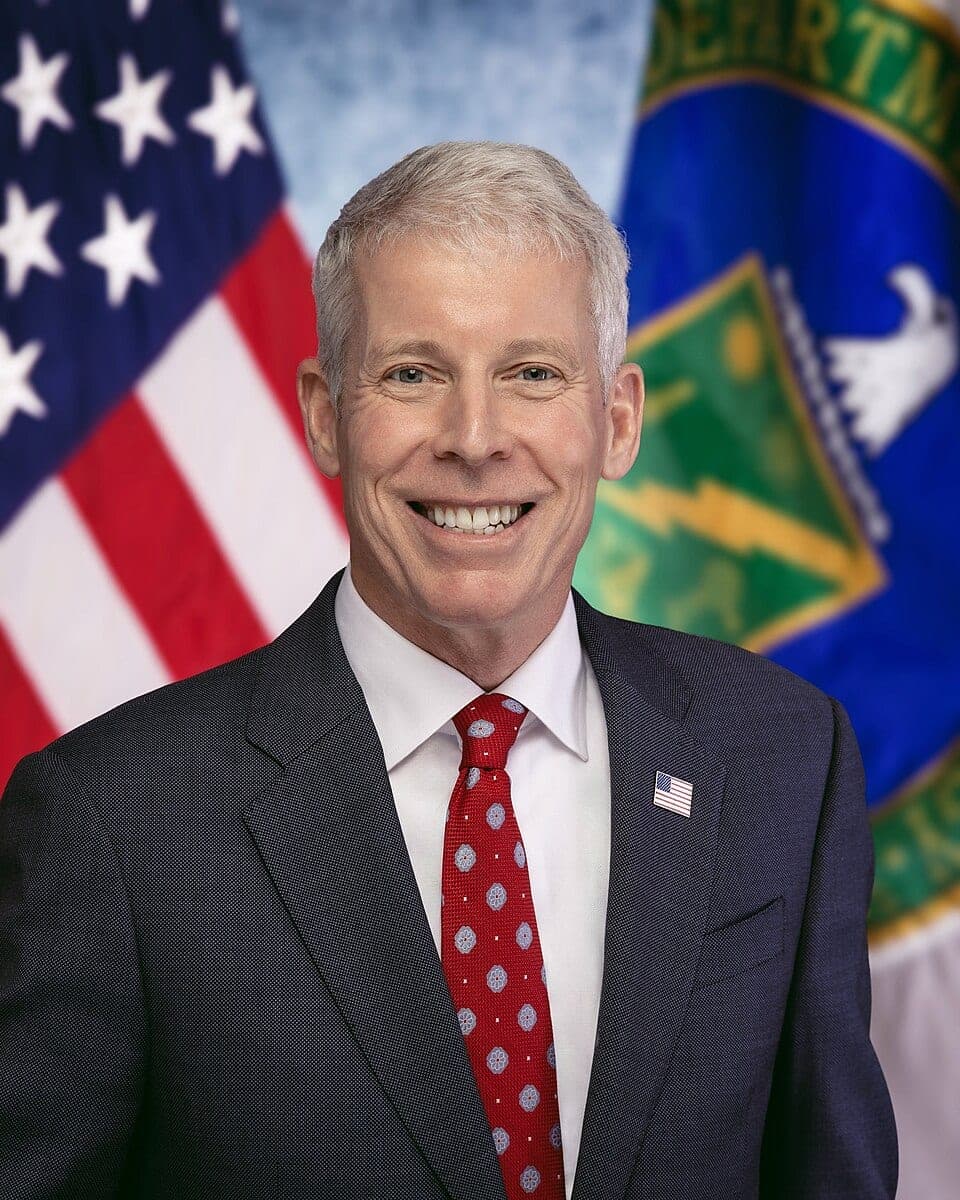
Secretary of Energy whom the proposed bill would direct to establish a carbon-removal regime.
Discussion · 0
Loading comments…