Issa silent after Supreme Court rules in favor of mail-in voting
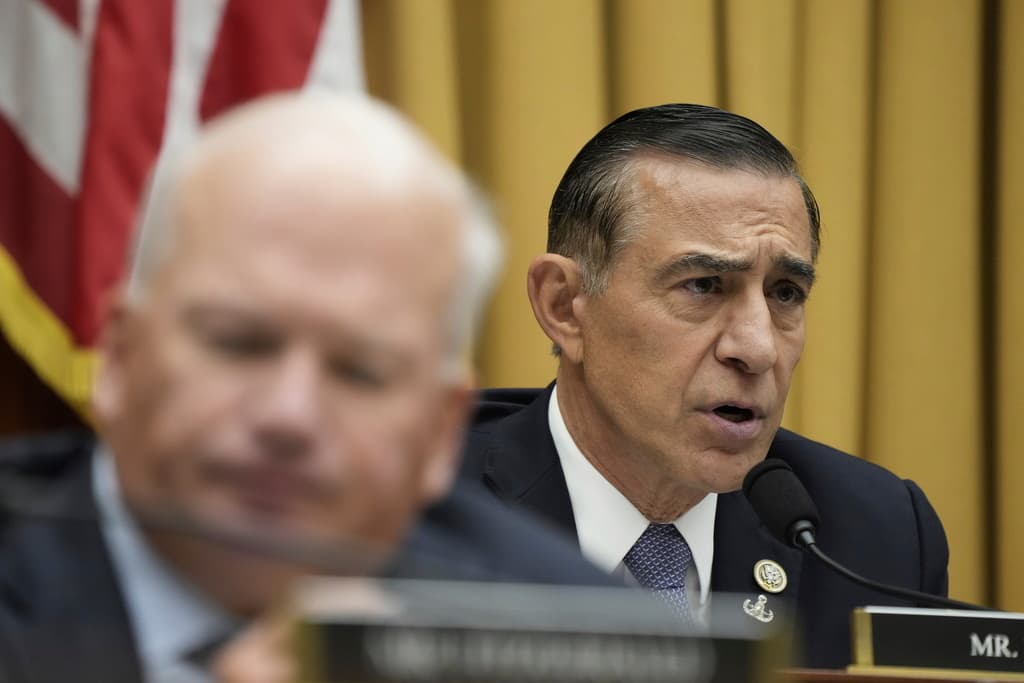
Issa’s lawsuit challenged California’s ballot-counting rules, but he did not comment after the Supreme Court’s ruling.
SOURCE CHECK
TAP FOR WHYTimes of San Diego is a local news outlet with an identified reporter and original reporting, including requests for comment and interviews with named sources. The article provides attribution and relevant details, though the available information does not establish its correction practices or broader track record.
- Source type — A local news outlet with a regional reporting focus.
- Author attribution — The article identifies its reporter.
- Transparency — It identifies sources and reports that Issa's staff did not provide a comment.
- Editorial standards — The article attributes claims and quotations, but the available text does not establish correction practices.
The report gives the ruling’s result and reasoning, describes the California lawsuit, and includes comments from an academic and a political law commentator. It notes that Issa did not comment, but the article gives limited space to a substantive defense of the lawsuit or the Republican position.
HOW WE SCORE ↗The article explains the ruling, quotes Issa’s lawsuit, and notes that he did not provide comment. It also includes critical perspectives on Republican voting claims but offers limited counterargument or explanation from proponents of the lawsuit.
- Counterarguments presented — Issa's arguments in the complaint are quoted, but no current response from Issa or a supporter is included.
- Source diversity — The article includes an academic and a political law commentator, but the quoted commentary is chiefly critical of the Republican position.
- Opinion vs reporting — The piece is reported as news and attributes opinions to their sources.
- Omitted context — The legal arguments and proponents’ rationale receive less explanation than the criticism of voting-fraud claims.
The article reports the court’s ruling and Issa’s lawsuit in a mostly factual manner, but its source selection and framing lean mildly critical of Republican efforts to tighten voting rules.
- Language tone — Mostly factual, with limited critical framing around Republican efforts.
- Source selection — Includes an academic and a political law commentator critical of election-fraud claims, without a comparable defense of the Republican position.
- Framing — Highlights Issa's silence and the potential effect of his lawsuit and the SAVE Act on voting.
The Supreme Court ruled that states may count mail ballots postmarked by Election Day even if they arrive later. Rep. Darrell Issa, who sued California over its ballot-counting rules, did not comment on the ruling.
The Supreme Court ruled 5-4 that federal law does not require ballots to be received by Election Day, upholding Mississippi’s practice of counting ballots postmarked by Election Day and received within five days. California allows ballots postmarked by Election Day to be counted if they arrive within seven days. The majority included Chief Justice John Roberts and Justice Amy Coney Barrett, who wrote the opinion, along with the Court’s three liberal justices.
Issa filed a lawsuit in March 2025 seeking to stop California from counting ballots received after Election Day, arguing that the practice violates federal law and his constitutional rights. His staff said he was unavailable for comment after the ruling. The article also reports that the Safeguard American Voter Eligibility Act, supported by Issa and other Republicans, would limit mail voting and require proof of citizenship to register for federal elections; it has passed the House but remains stalled in the Senate.
Community verdict
VOTING CLOSED
No good or bad look here
This story reports what happened without casting Issa in a good or bad light, so readers don’t rate it and it doesn’t count toward Issa’s record.
People in this story
SWIPE →Representative who sued California over its mail-ballot counting rules
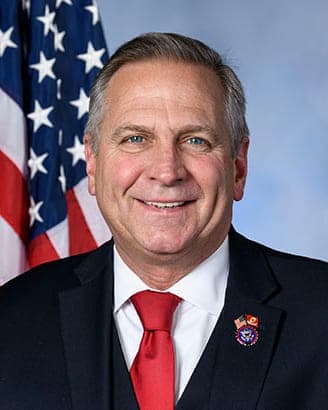
Representative whose separate case over candidates’ right to sue was previously decided by the Court
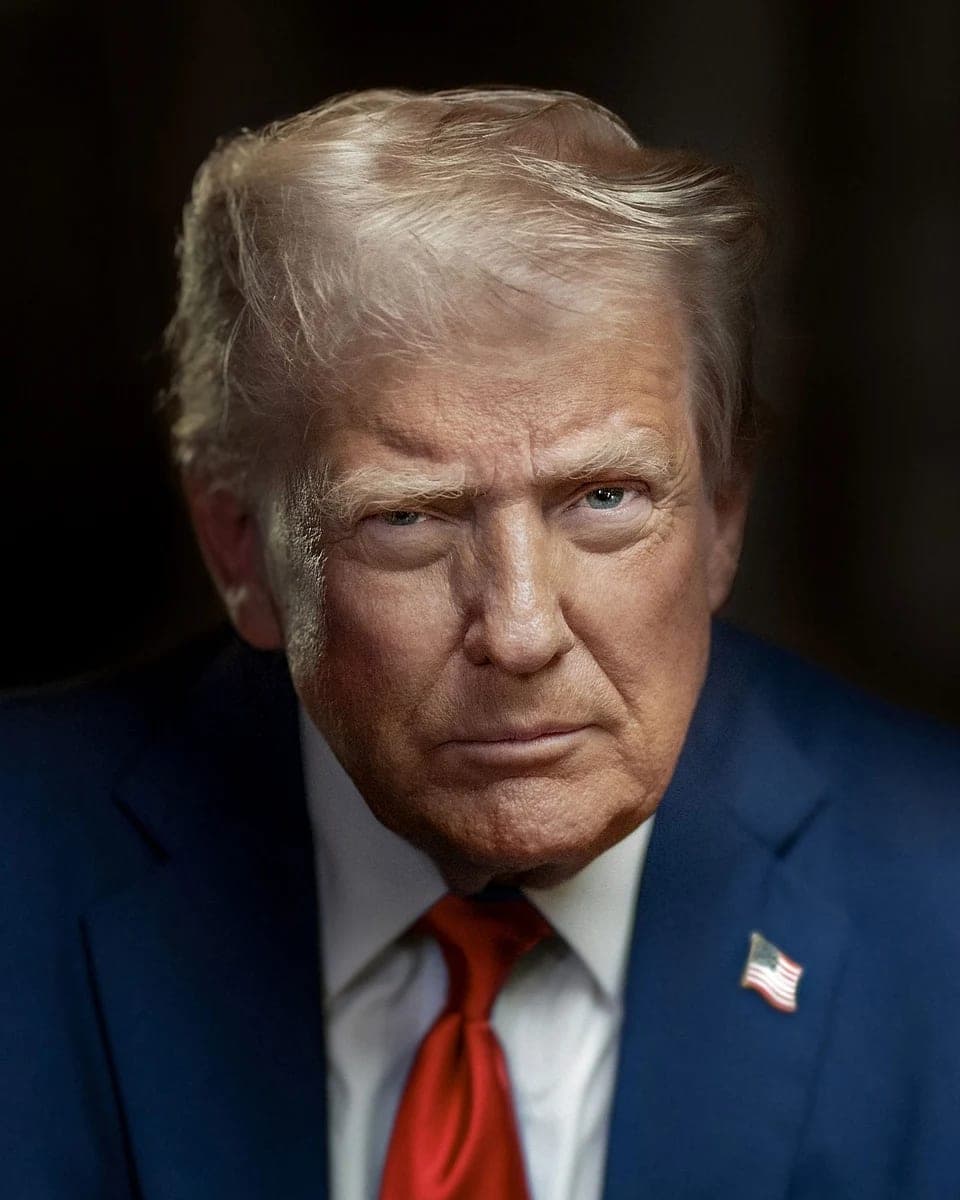
President who urged passage of the SAVE Act and criticized the Court’s ruling
Discussion · 0
Loading comments…