Senate Democrats Force an Uncomfortable Vote on Health Care Costs
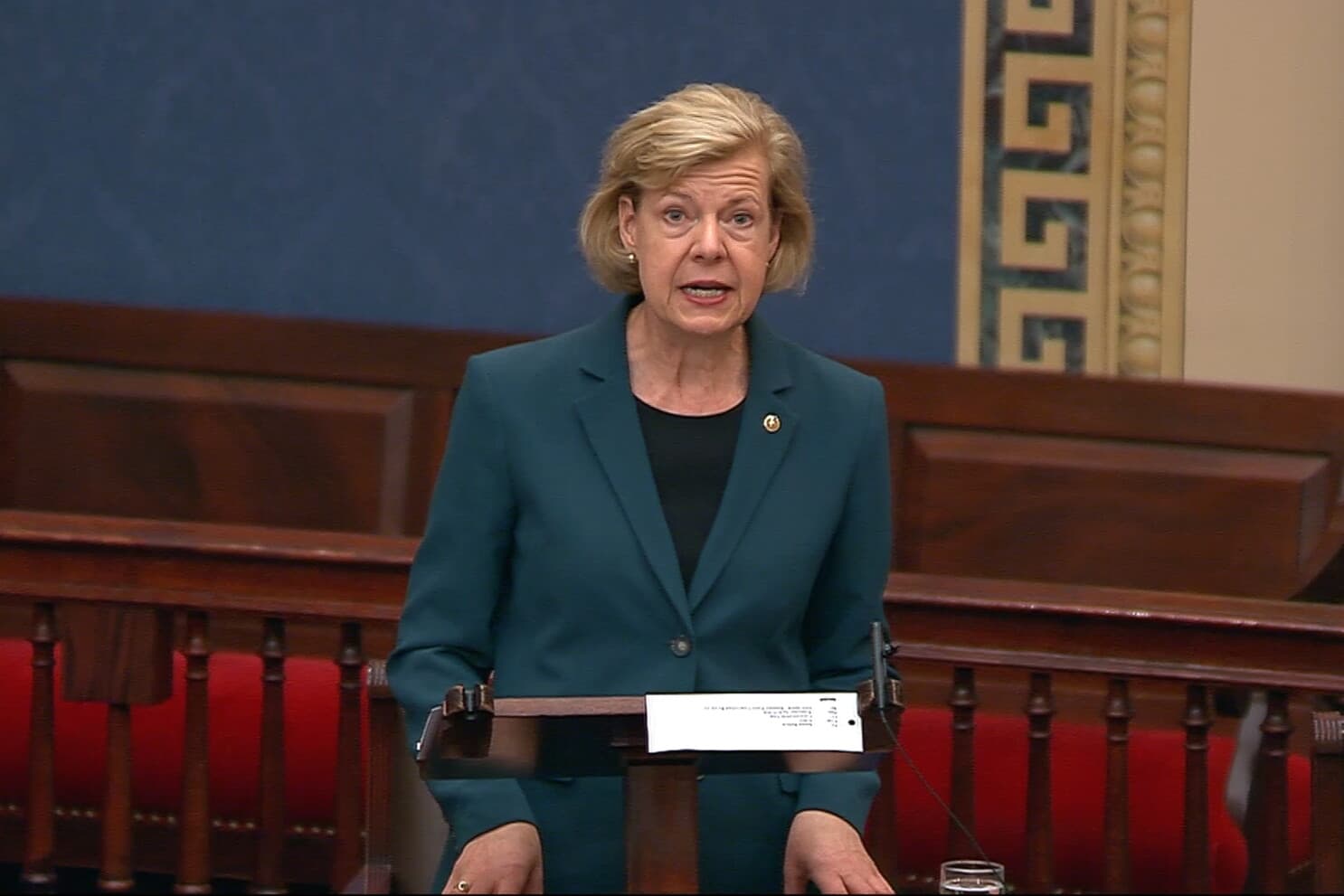
Baldwin introduced the effort to repeal the rule and argued it would make coverage less affordable.
SOURCE CHECK
TAP FOR WHYThe article names an author and includes original reporting, including a direct interview with Ron Wyden, but the publisher’s track record and editorial practices are not established here. Its sourcing supports a moderate assessment rather than a high institutional score.
- Source type — The publisher is unclassified, so its institutional standards cannot be inferred confidently.
- Author attribution — A named author is credited.
- Transparency — The story attributes claims and includes a direct interview, but offers limited information about the publisher’s standards.
- Track record — No track-record evidence is available in the article details.
The report gives the vote tally, describes the rule’s provisions, attributes arguments to Democrats and Republicans, and includes a direct statement from Wyden. The Republican case is represented mainly through a health policy institute rather than a Republican senator, and some predicted effects are presented as partisan claims.
HOW WE SCORE ↗The article outlines the administration’s stated aims and a conservative institute’s explanation for falling enrollment, alongside Democrats’ concerns about costs, benefits, and access. It does not include a direct response from a Republican senator, and several critical claims come from Democrats.
- Counterarguments presented — The stated goals of the rule and a conservative institute’s account of declining enrollment appear alongside Democratic criticism.
- Source diversity — The article includes multiple Democratic voices but no direct Republican lawmaker response.
- Loaded language — Some charged descriptions are attributed to Democrats rather than adopted as the reporter’s own language.
- Omitted context — The article explains both the stated rationale and possible effects of the rule, though it offers limited independent evidence on predicted effects.
The report includes arguments for and against the rule, but relies on Democratic criticism and frames the vote as a Democratic effort to spotlight affordability concerns. The wording is mostly factual, with a modest tilt in framing and source selection.
- Source selection — Democratic statements receive substantial space; the opposing case is represented through a health policy institute and general Republican arguments.
- Framing — The headline emphasizes Democrats forcing an uncomfortable vote and the story describes their political strategy.
- Language tone — Most language is attributed or descriptive, with loaded terms such as “junk insurance” identified as Democrats’ characterization.
Senate Democrats’ effort to overturn a Trump administration health-insurance rule failed 48-50, though Republican Susan Collins joined Democrats in supporting it. Tammy Baldwin said the rule could push two million Americans out of coverage.
Democrats used the Congressional Review Act to seek repeal of a rule that tightens eligibility checks for Affordable Care Act enrollees and permits plans with higher out-of-pocket limits or limited provider networks. The rule, finalized by the Trump administration in May, was presented by Republicans as a way to combat enrollment fraud and lower premiums; a right-leaning health policy institute said declining enrollment largely reflected removal of improper or unused coverage.
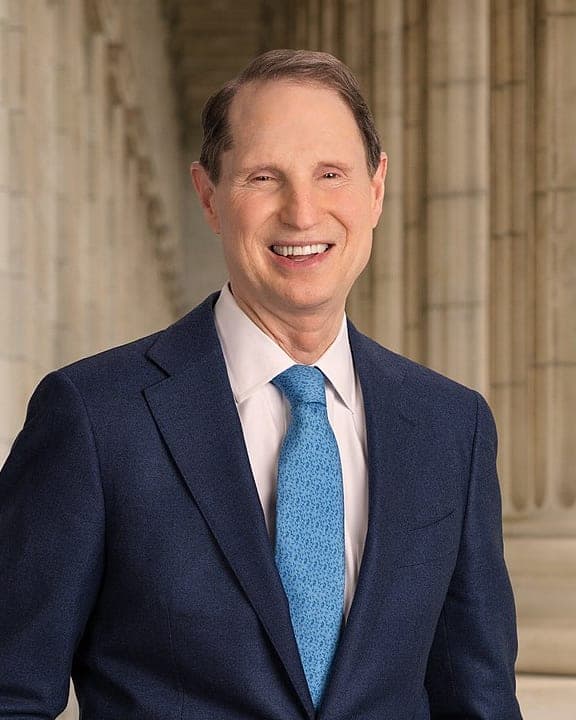
The measure failed 48-50, with Susan Collins joining Democrats in support. Tammy Baldwin, who introduced it, said the rule would price two million Americans out of coverage. Democrats also argued it could raise costs for existing enrollees and reduce benefits or provider access. Ron Wyden said Democrats should highlight what he called Republican hostility toward measures to lower health costs.
Community verdict
6 VOTES
People in this story
SWIPE →Introduced the measure to overturn the health-insurance rule

Republican senator who voted to support the measure
Senate Finance Committee ranking member who criticized the administration’s health-care policy

President whose administration finalized the rule
Discussion · 0
Loading comments…