Senators Should Answer to Voters, Not Factions
The article presents Trump’s response to Cotton as an example of pressure on lawmakers who dissent.
SOURCE CHECK
TAP FOR WHYThe Patriot Post is an opinion-oriented publisher, and this article presents an argument rather than independently documenting its claims. The author is not identified, and the text provides limited sourcing beyond attributing remarks to Thune.
- Source type — Opinion publisher; its institutional credibility is lower than that of a straight-news organization.
- Editorial standards — The text acknowledges partisanship and qualifies its criticism, but does not show reporting methods or evidence for many broader claims.
- Author attribution — No author is identified.
- Transparency — The article attributes Thune’s argument but gives little sourcing detail for the events and claims it discusses.
The article offers a coherent argument, attributes the initiating criticism to Thune and acknowledges that his account is partisan. It provides little independent sourcing or competing perspective for its broader claims about factional pressure.
HOW WE SCORE ↗The author recognizes limitations in Thune’s partisan account and criticizes both parties, including Trump’s pressure on Cotton. However, this is an argument-driven piece without responses from the people or groups it criticizes or much independent sourcing.
- Counterarguments presented — The author says Thune’s account is not the whole story and criticizes Republicans as well as Democrats.
- Opinion vs reporting — The article is explicitly argumentative, with the author advancing a position about how senators should act.
- Source diversity — It relies chiefly on the author’s interpretation and does not include a range of named sources.
- Loaded language — It uses critical characterizations of factional pressure and political loyalty, while applying them to both parties.
The piece gives qualified support to Thune’s criticism of Democratic factional pressure, but also criticizes Trump and Republican acquiescence to him. Its conclusion faults both parties, leaving the overall framing close to center with a slight rightward tilt.
- Framing — It lends weight to Thune’s criticism of Schumer while describing the claim as partisan and incomplete.
- Source selection — The article foregrounds a Republican leader’s criticism but also discusses Trump’s conduct and Republican deference to him.
- Language tone — It uses critical language about factions in both parties and presents the problem as bipartisan.
An opinion article argues that pressure from party factions limits senators’ ability to compromise, citing John Thune’s criticism of Chuck Schumer and Donald Trump’s response to Tom Cotton’s position on daylight saving time. It calls on senators to exercise independent judgment and answer to voters.
The article says Thune argued that Schumer is constrained by the Democratic Party’s left flank, pointing to disputes over military funding, a defense authorization bill and the Foreign Intelligence Surveillance Act. The author describes Thune’s account as partisan but argues that pressure from factions in both parties can undermine compromise and governing.
The piece also says Trump shared a phone number he claimed belonged to Cotton and urged people to call after Cotton opposed making daylight saving time permanent. It criticizes pressure on senators from party factions and argues that lawmakers should explain their decisions and exercise their own judgment.
Community verdict
7 VOTES
People in this story
SWIPE →President described as pressuring Cotton after he opposed a daylight-saving-time change
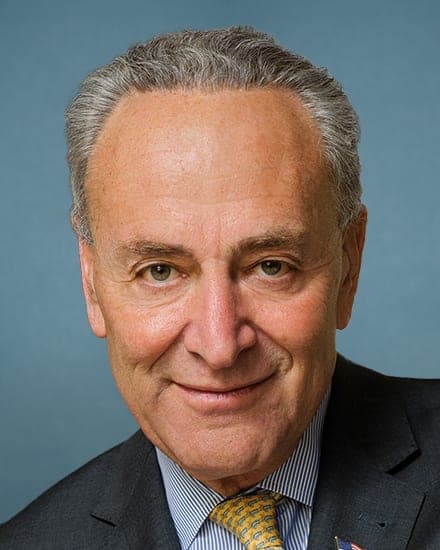
Senate Minority Leader described as facing pressure from his party’s left flank
Schumer's version of this story ↗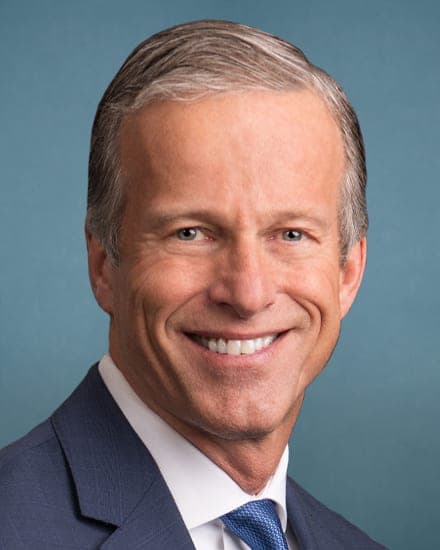
Senate Majority Leader whose criticism of Schumer anchors the argument
Thune's version of this story ↗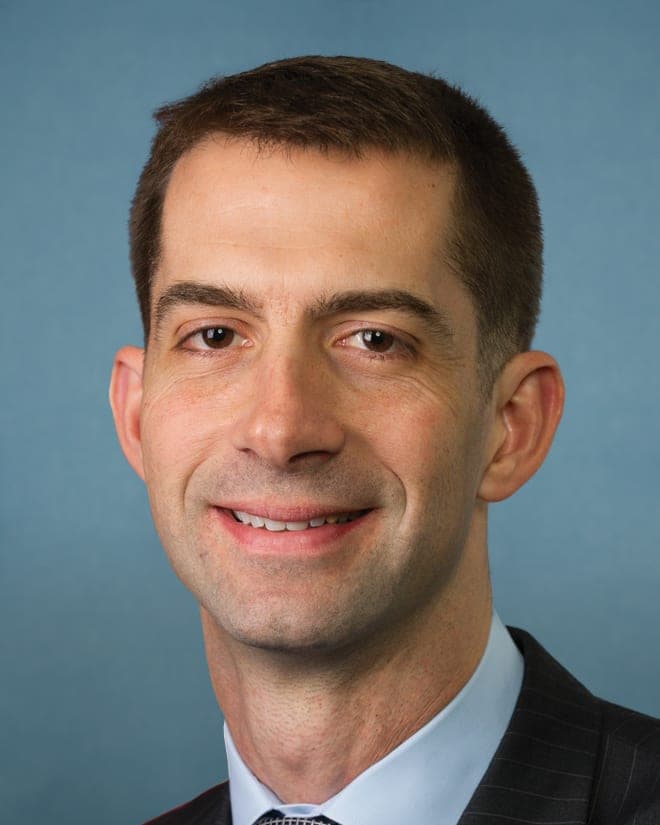
Senator who opposed making daylight saving time permanent
Part of a bigger story
57 OUTLETSOutlets agree Trump posted a phone number he said belonged to Sen. Tom Cotton and urged people to contact him about making daylight saving time permanent. Cotton opposes the change, and the measure remains stalled in the Senate. Left-leaning outlets emphasize the number-sharing as a pressure tactic, often critically. Center outlets pair the post with Cotton’s objections and the bill’s stalled status in mostly descriptive accounts. Right-leaning outlets often foreground Trump’s push to advance the bill and Cotton’s reasons for opposing it, with varied descriptions of the number post.
- ARTICLES
- 87
- OUTLETS
- 57
- AVG CRED
- 66
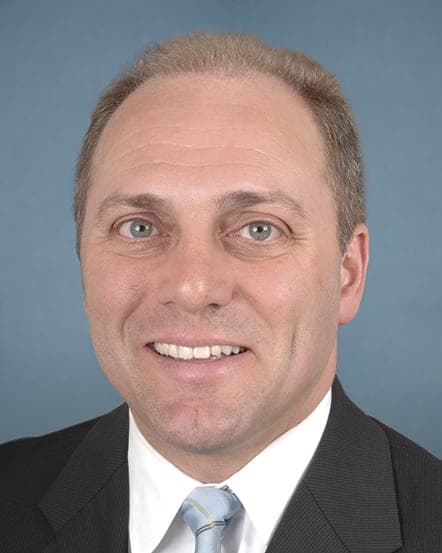
Discussion · 0
Loading comments…