What Thomas Massie's Race Says About Trump's Influence
Trump’s campaign against Massie is central to the article’s question about his influence in the Republican Party.

SOURCE CHECK
TAP FOR WHYThe New Yorker is an established national publication with professional editorial standards and an identifiable author. This is reported analysis, but some campaign claims and polling descriptions are not tied to specific sources in the text.
- Source type — Established national publication with a substantial record of journalism.
- Editorial standards — Professional newsroom and editing practices are expected, though not demonstrated in detail on this page.
- Author attribution — The article names Jon Allsop as its author.
- Transparency — Some claims are attributed to named speakers or outlets, but several campaign and polling claims lack specific sourcing here.
The piece offers relevant context and cautions against simplistic conclusions, with several quotations and a named strategist attributed to Salon. It gives limited detail about the polls and relies partly on broad or unsourced descriptions of campaign developments.
HOW WE SCORE ↗The article gives context that complicates both sides’ claims about Trump’s influence, including local factors and past election outcomes. It is interpretive and does not provide a sustained case from the Trump-aligned campaign or detailed evidence from polling.
- Counterarguments presented — The article notes past outcomes and local factors that complicate the claim that Trump determines the result.
- Omitted context — Polling is described generally without identifying polls, sample sizes or results.
- Loaded language — Some phrases, including descriptions of a tirade and the campaign as a circus, are pointed.
- Source diversity — The piece uses several named political figures and a strategist, but not a broad range of independent sources.
The analysis is skeptical of Trump and uses some pointed descriptions, but it also complicates the claim that Trump’s influence alone will determine the result. Its framing suggests a mild leftward tilt rather than a strongly partisan argument.
- Framing — The article examines Trump’s influence but emphasizes limits and local factors rather than presenting a simple partisan verdict.
- Language tone — Some critical phrasing describes Trump’s actions and the campaign, while the piece also uses wry language about Massie and the race.
- Source selection — It includes quotations from Massie, Trump, Mike Johnson, Vance and a strategist, though views are not systematically balanced.
Thomas Massie’s looming Kentucky primary is presented as a test of Donald Trump’s influence over the Republican Party, though the article cautions against reading too much into one race. Massie’s record of breaking with Trump and Trump’s campaign against him have made the contest a national proxy.
The article describes a costly and contentious primary in which Massie has defied Trump on spending, Iran and the release of the Epstein files. Recent polls and reports from the campaign trail suggest Massie may be in trouble, while Trump has urged support for his challenger and continued criticizing Massie.
The author argues that the result will not, by itself, settle what Trump’s influence means for the Republican Party. Local factors could shape the outcome, and the article notes that Massie has won before despite Trump’s opposition. It frames the longer-term question as whether Trumpism will coalesce around another leader after Trump leaves office.
Community verdict
VOTING CLOSED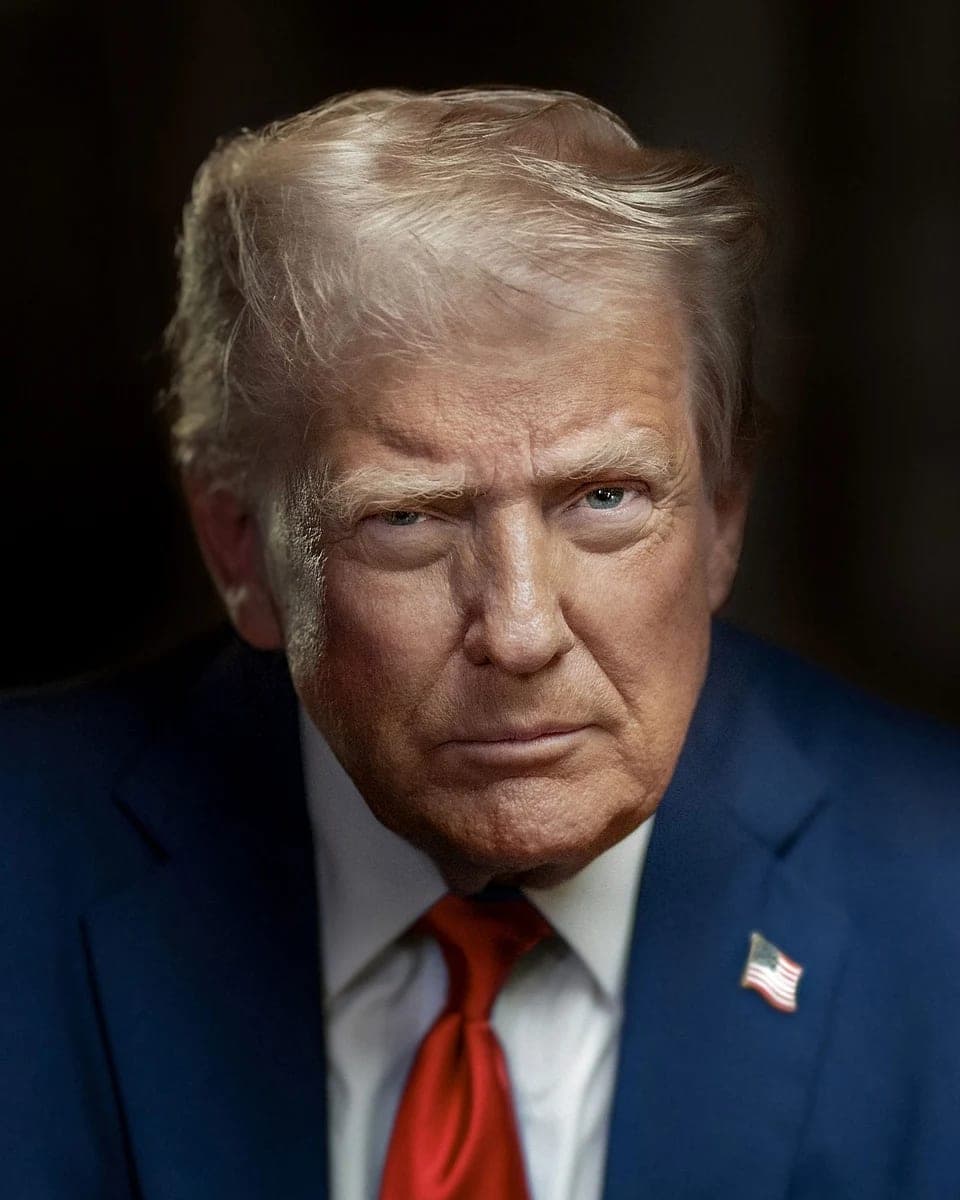
No good or bad look here
This story reports what happened without casting Trump in a good or bad light, so readers don’t rate it and it doesn’t count toward Trump’s record.
People in this story
SWIPE →President whose pressure on Massie and influence over Republican politics are examined.

Kentucky representative facing a primary challenge and the central figure in the article’s examination of Trump’s influence.
Massie's version of this story ↗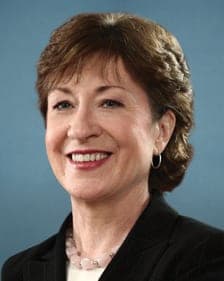
Maine senator cited for votes to constrain Trump’s actions and for Vance’s remarks about her independence.

Speaker of the House quoted about dissent within the Republican Party.

Indiana representative whose office employed a woman who made an allegation involving Massie.
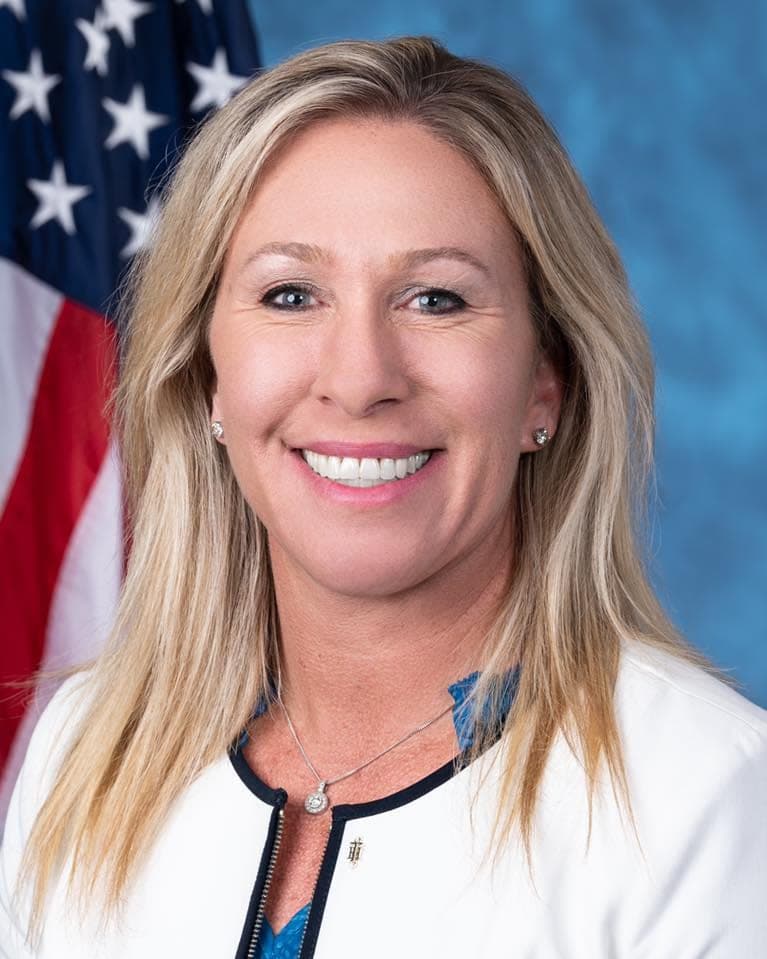
Former representative used as a comparison in describing Republican dissent against Trump.
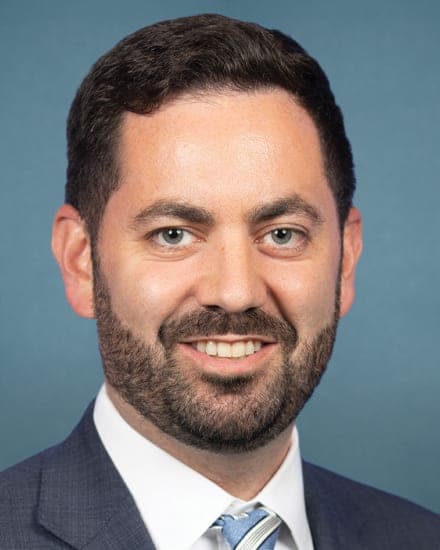
New York representative mentioned as the target of William Paul’s tirade.
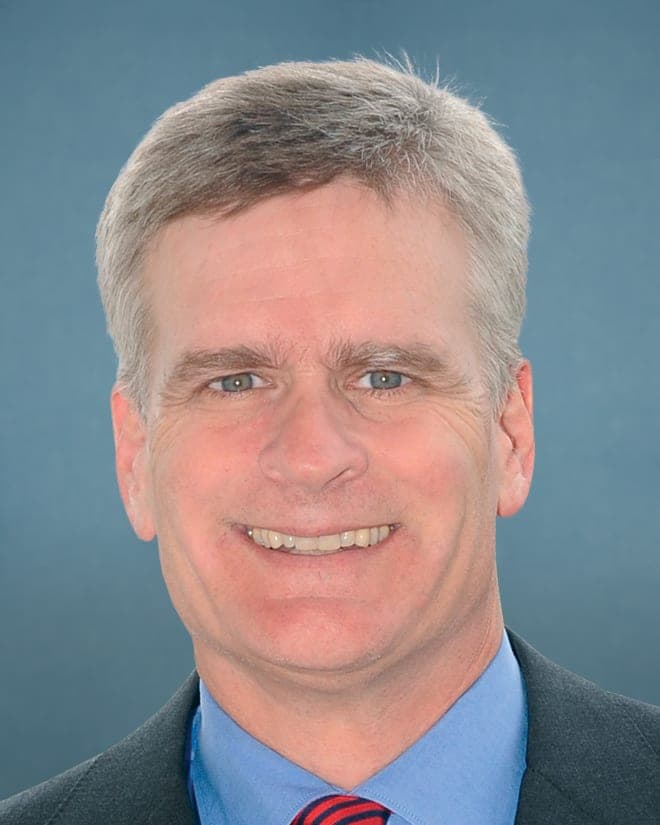
Senator whose defeat is cited in a question about whether dissent remains permissible in the Republican Party.

Vice President who spoke in support of Collins’s independence at a rally in Maine.

Minnesota representative depicted in an AI-generated ad about Massie.
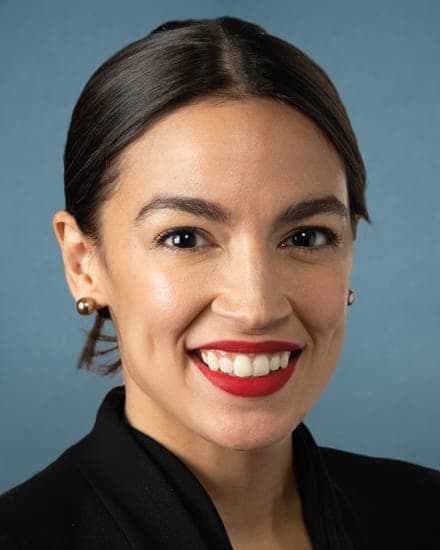
New York representative depicted in an AI-generated ad about Massie.
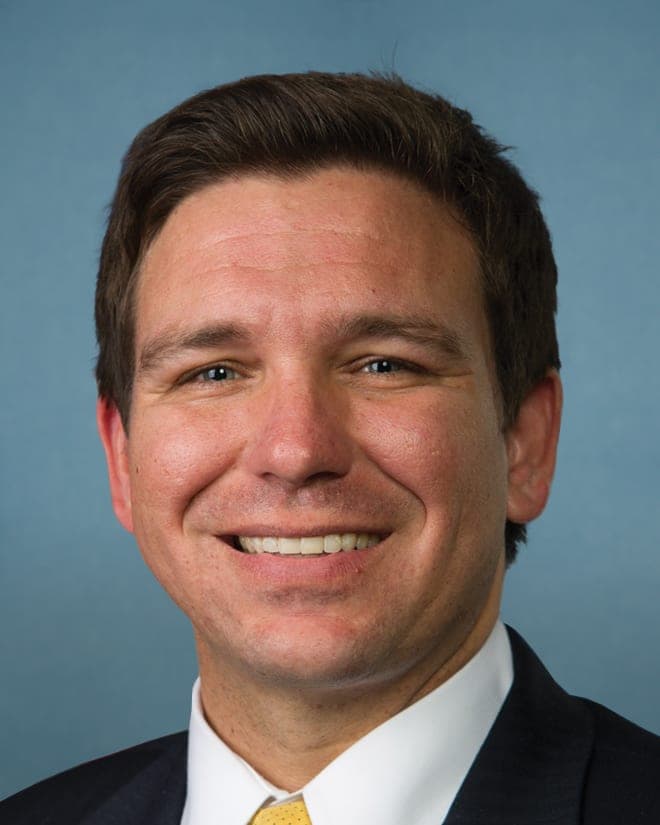
Florida governor whom Massie endorsed for president in 2024.
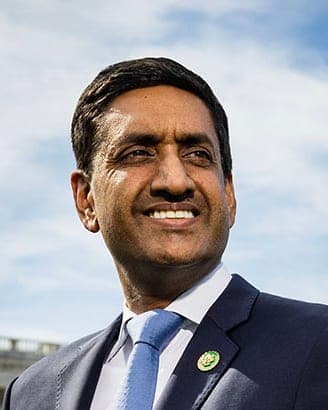
California representative who worked with Massie on the Epstein files and endorsed his primary fight.
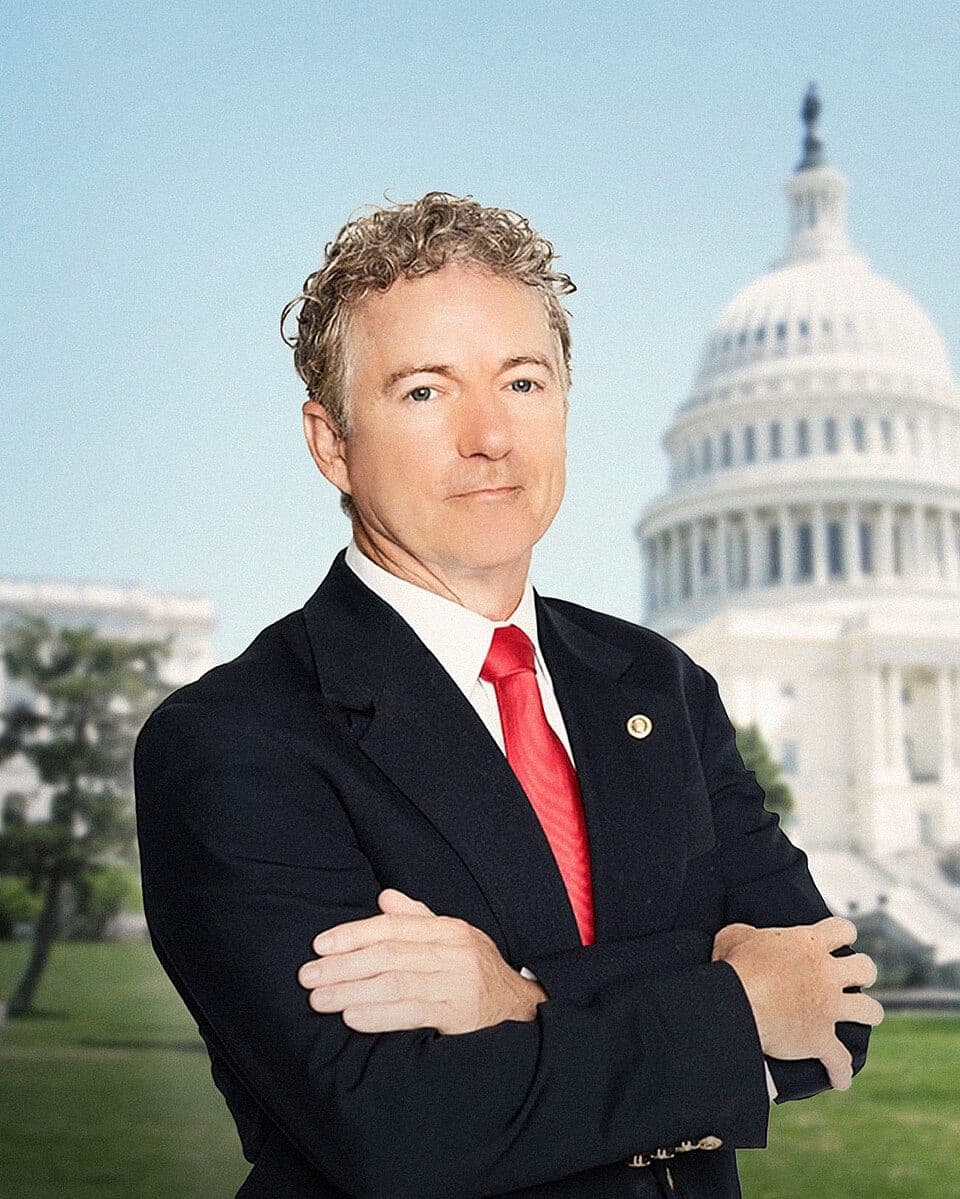
Kentucky senator cited as one of the senators Trump threatened to challenge after a vote on a Venezuela war-powers resolution.
Part of a bigger story
17 OUTLETSThomas Massie lost Kentucky's Republican primary to Trump-backed Ed Gallrein, and Bill Cassidy finished third in Louisiana's Republican Senate primary. Left-leaning outlets emphasize Trump's campaign against Massie and consider whether defeating Republican dissenters could backfire, while also treating the result as a test of his influence. Center outlets focus on Trump's influence in GOP primaries and the fallout, including Senate Republicans' response and whether departing lawmakers may challenge his agenda. Right-leaning outlets stress Trump's strength in primaries and present Massie's race as a test of whether the Tea Party's small-government politics survived his rise.
- ARTICLES
- 17
- OUTLETS
- 17
- AVG CRED
- 71
Discussion · 0
Loading comments…