NDAA Passes House With U.S.-Israel Military Merger. Massie: "Massive Betrayal"
Khanna joined Massie in trying to remove the Israel-related provision from the defense bill.

SOURCE CHECK
TAP FOR WHYThe New American is an opinion-oriented publisher, and this article uses strongly evaluative language and presents little counterargument. The named author and attributed quotations offer some transparency, but the article's advocacy-style framing limits its institutional credibility for straight news.
- Source type — Opinion publisher; the article is written with an overtly partisan and advocacy-oriented frame.
- Editorial standards — The page provides no clear evidence of independent editorial safeguards or corrections practices.
- Author attribution — A named author is identified.
- Source transparency — The piece attributes some claims to Ben Freeman and quotes public statements, but offers limited competing sourcing.
The article gives the vote tally, describes the provision and quotes public statements and an outside analyst. Its strongly loaded language, reliance on a narrow set of perspectives and lack of a substantial case for the provision leave key claims insufficiently tested.
HOW WE SCORE ↗The piece relies on opponents’ descriptions and a critical analysis of the provision, while offering little explanation of supporters’ reasoning or response to the stated concerns. The quoted letter from Benjamin Netanyahu gives some context for the proposed shift, but does not create a balanced debate.
- Counterarguments presented — No substantive argument from supporters of the provision is developed.
- Loaded language — The article repeatedly uses accusatory and evaluative language.
- Source diversity — The quoted sources chiefly criticize the measure; the Netanyahu letter describes the proposal but does not defend Section 219's effects.
- Opinion vs reporting — Opinion framing and assertions are interwoven with reported facts.
The article's language and framing strongly condemn the bill's Israel-related provision and cast its supporters as disloyal. Its perspective is critical of the U.S.-Israel military partnership, though that position does not map neatly onto a conventional left-right divide.
- Language tone — Uses terms such as “treachery,” “betrayal” and “Israel-firster” to condemn the provision and its supporters.
- Framing — Frames expanded U.S.-Israel defense cooperation primarily as a threat to U.S. sovereignty and security.
- Source selection — Quotes critics and opponents of the provision, without presenting a comparable defense of it.
The House passed the 2027 National Defense Authorization Act by a 216-212 vote, retaining a provision to expand U.S.-Israel defense cooperation. Thomas Massie and Ro Khanna opposed the provision, and the article argues it could give Israel undue influence over U.S. military policy.
The article reports that the House passed the 2027 National Defense Authorization Act by a 216-212 vote with Section 219 included. It says the provision would expand U.S.-Israel cooperation on defense technology, research, production and other areas. The article characterizes the measure as a threat to U.S. sovereignty and national-security interests.
The article says Thomas Massie and Ro Khanna tried unsuccessfully to get a vote on an amendment to remove Section 219. Massie said he would vote against the bill; Lauren Boebert said she opposed the provision and reported obtaining a commitment from Defense Secretary Pete Hegseth to seek its removal in conference. The article also quotes Ben Freeman warning that the provision could broaden defense-technology coordination and create U.S. jobs tied to Israeli industry.
Community verdict
19 VOTES
People in this story
SWIPE →
Representative who opposed Section 219 and voted against the NDAA
Massie's version of this story ↗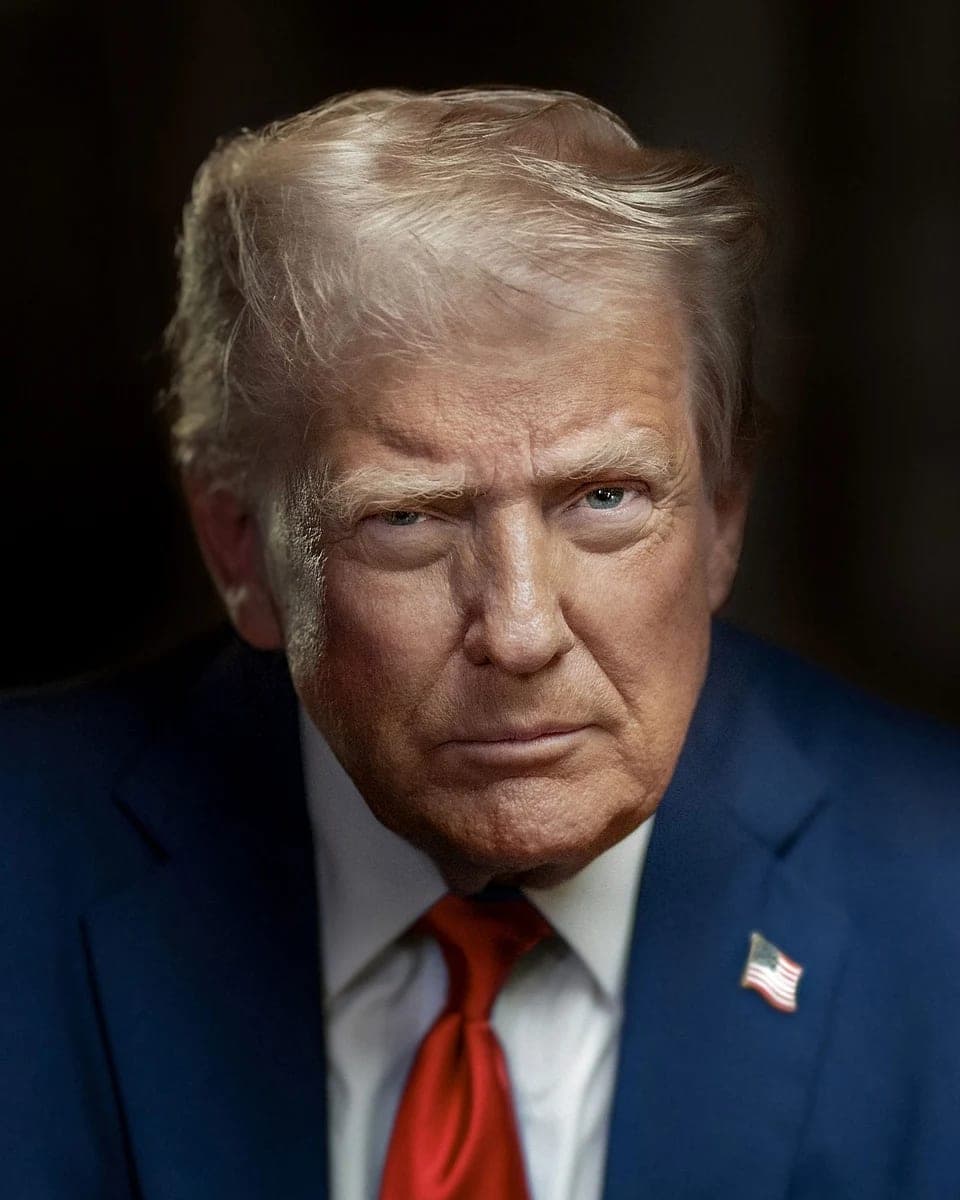
President mentioned in connection with the proposal and Marjorie Taylor Greene

Defense secretary whom Boebert said she met about Section 219
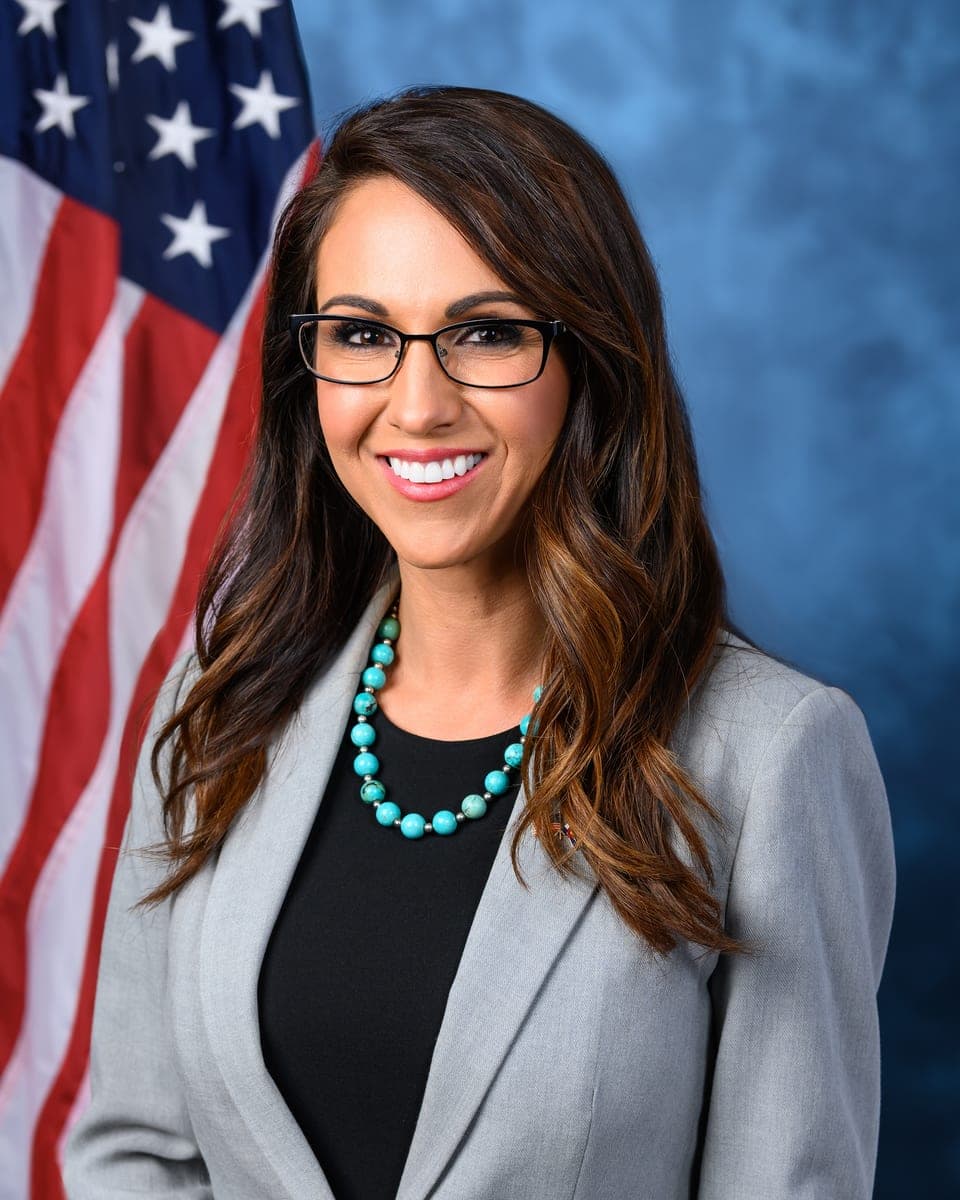
Representative who missed the House vote and opposed Section 219
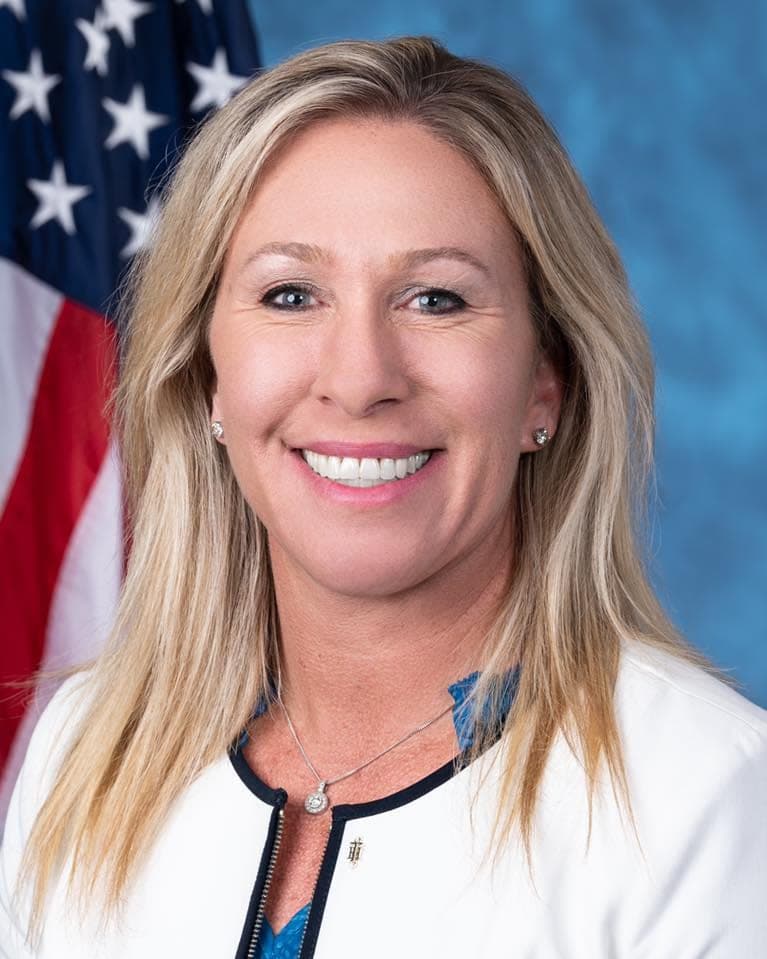
Former representative who called the House vote a betrayal

Representative who received Netanyahu's letter about a proposed defense partnership
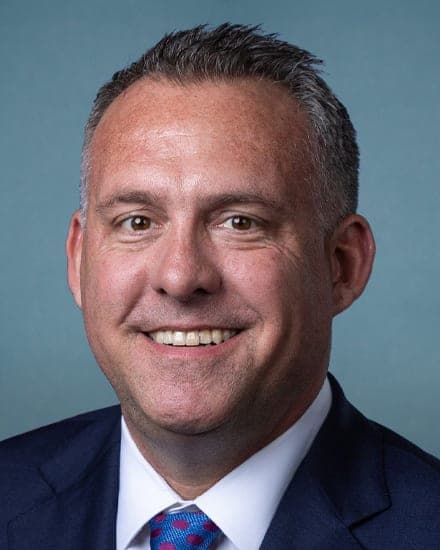
Representative listed among Democrats who voted for the NDAA
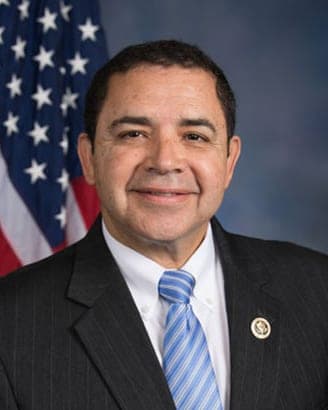
Representative listed among Democrats who voted for the NDAA

Representative listed among Democrats who voted for the NDAA

Representative listed among Democrats who voted for the NDAA

Representative who missed the House vote
Part of a bigger story
3 OUTLETSThe House passed its 2027 defense authorization bill with a provision expanding U.S.-Israel defense cooperation. Ro Khanna joined Thomas Massie in trying to remove the provision. Left-leaning outlets stress calls for Senate rejection and Khanna’s effort to keep seeking removal. Center outlets present the opposition as a push to remove the provision as the bill moves to the Senate, giving critics more direct quotations than supporters. Right-leaning outlets frame expanded cooperation as a risk to U.S. sovereignty and security.
- ARTICLES
- 3
- OUTLETS
- 3
- AVG CRED
- 55
Discussion · 0
Loading comments…