Minn. Lawmakers Want Answer From Omar on Food Fraud; Financial Disclosure Amended; Fake Winery Shut Down
The article examines Omar’s role in a food-fraud inquiry and questions surrounding her amended financial disclosure.

SOURCE CHECK
TAP FOR WHYThe New American is an opinion-oriented, ideologically conservative publisher, and this article uses highly charged language while relying substantially on reporting from other outlets. It names an author and attributes many claims, but offers little independent verification or opposing perspective.
- Source type — Opinion-oriented publisher with a partisan editorial perspective.
- Transparency — The article attributes claims and quotations to other outlets and named speakers.
- Editorial standards — Loaded language and limited countervailing perspectives weaken confidence in its presentation.
- Author attribution — A named author is provided.
The article includes named sources, quotations and details attributed to several other publications, but it largely assembles their reporting without presenting a response from Omar or independently resolving disputed claims. Its loaded language and one-sided treatment limit its journalistic quality.
HOW WE SCORE ↗The story presents allegations and critical statements at length but gives little direct response from Omar and does not meaningfully develop a competing account. The language also goes beyond neutral reporting.
- Counterarguments presented — Omar’s explanation is summarized as a claim from her representatives, without a direct response or fuller rebuttal.
- Loaded language — Terms including “scam,” “fake winery” and “skate away” reinforce a critical frame.
- Source diversity — The story cites multiple outlets, but most quoted views are critical of Omar.
The article uses strongly critical language about Omar and presents allegations against her with little countervailing context. Its framing and word choices convey a pronounced right-leaning perspective.
- Language tone — Labels Omar “far-left” and uses phrases such as “Hiding in D.C.?” and “mouthpieces.”
- Framing — Connects the food-fraud investigation, disclosure amendment and winery story into a case against Omar.
- Source selection — Emphasizes critical statements from Republican lawmakers and reports about the allegations.
The New American scrutinizes Rep. Ilhan Omar’s refusal to appear before a Minnesota legislative committee investigating food-program fraud, her amended financial disclosure and her husband’s winery. It also highlights Rep. James Comer’s suggestion that Omar may have committed a felony.
The article says Minnesota lawmakers want Omar to answer questions about the Feeding Our Future fraud investigation and her sponsorship of legislation expanding access to child nutrition programs. Committee chair Kristin Robbins criticized Omar for not appearing, while the article says Attorney General Keith Ellison had already testified. It also notes that the committee could subpoena witnesses and that it planned follow-up letters.
Community verdict
10 VOTES
People in this story
SWIPE →Representative whose food-program legislation, financial disclosure and husband’s business dealings are scrutinized

House Oversight Committee chairman who publicly questioned Omar’s explanation of her financial disclosure
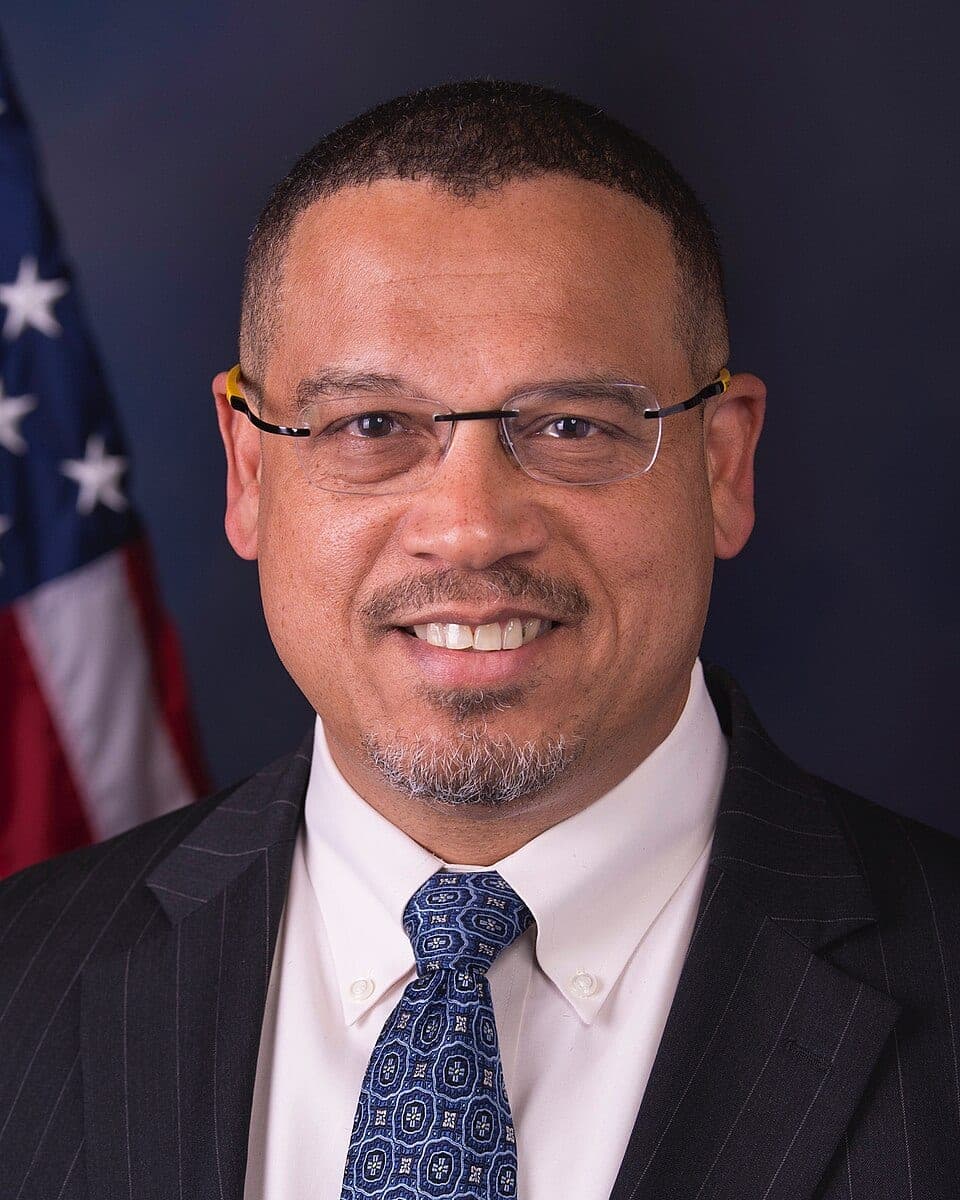
Minnesota attorney general mentioned in connection with the committee inquiry
Part of a bigger story
8 OUTLETSMinnesota lawmakers are seeking records or testimony from Rep. Ilhan Omar in an inquiry into the Feeding Our Future fraud. Republicans allege her 2020 MEALS Act weakened safeguards or helped enable the fraud. Center outlets frame the bill’s alleged role as a question under scrutiny, with one report including Omar’s lawyer’s statement that no illegal conduct occurred; another centers on her financial disclosure. Right-leaning outlets foreground the allegations and portray Omar’s hearing absence as a failure to answer, with some adding scrutiny of her financial disclosure and winery.
- ARTICLES
- 8
- OUTLETS
- 8
- AVG CRED
- 53
Discussion · 0
Loading comments…