Why Can't Top Democrats Just Say "No War With Iran"?
The article criticizes Schumer for focusing on congressional process without clearly calling for the war to end.
SOURCE CHECK
TAP FOR WHYThe Nation is an established publication, but this is an explicitly opinion-driven article rather than a neutral report. Its author identifies some supporting polling and reporting, though parts of the argument rely on an unnamed aide and strong interpretation.
- Source type — Opinion publication; a lower prior than a straight-news newsroom.
- Track record — An established magazine with a recognizable editorial identity.
- Transparency — The article identifies polls and other reporting, but also cites an unnamed congressional aide.
- Author attribution — Named authors and their publication roles are provided.
The piece supports its argument with attributed statements, polling figures, and references to other reporting. Its strongly argumentative framing, limited presentation of opposing views, and reliance in part on an unnamed aide constrain its reporting quality.
HOW WE SCORE ↗This is an opinion piece that forcefully argues for an immediate antiwar position. It quotes the leaders but does not develop a substantive case for their approach or include a competing perspective.
- Counterarguments presented — The leaders’ statements are quoted, but their rationale is not developed as a counterargument.
- Loaded language — The piece repeatedly uses highly charged language to condemn the leaders’ response and the war.
- Opinion vs reporting — The author openly advances a clear antiwar argument.
- Source diversity — Evidence includes polling and other reporting, but perspectives represented are predominantly antiwar.
The article takes a strongly antiwar position and argues that Democratic leaders are failing to oppose the conflict clearly enough. Its language and framing are sharply critical of the leaders and of support for the war.
- Language tone — Uses phrases such as “sleepy, feigned opposition” and “dogs of war.”
- Framing — Frames procedural objections as inadequate and as effectively serving support for the war.
- Source selection — Highlights antiwar polling and statements while offering little defense of the leaders’ approach.
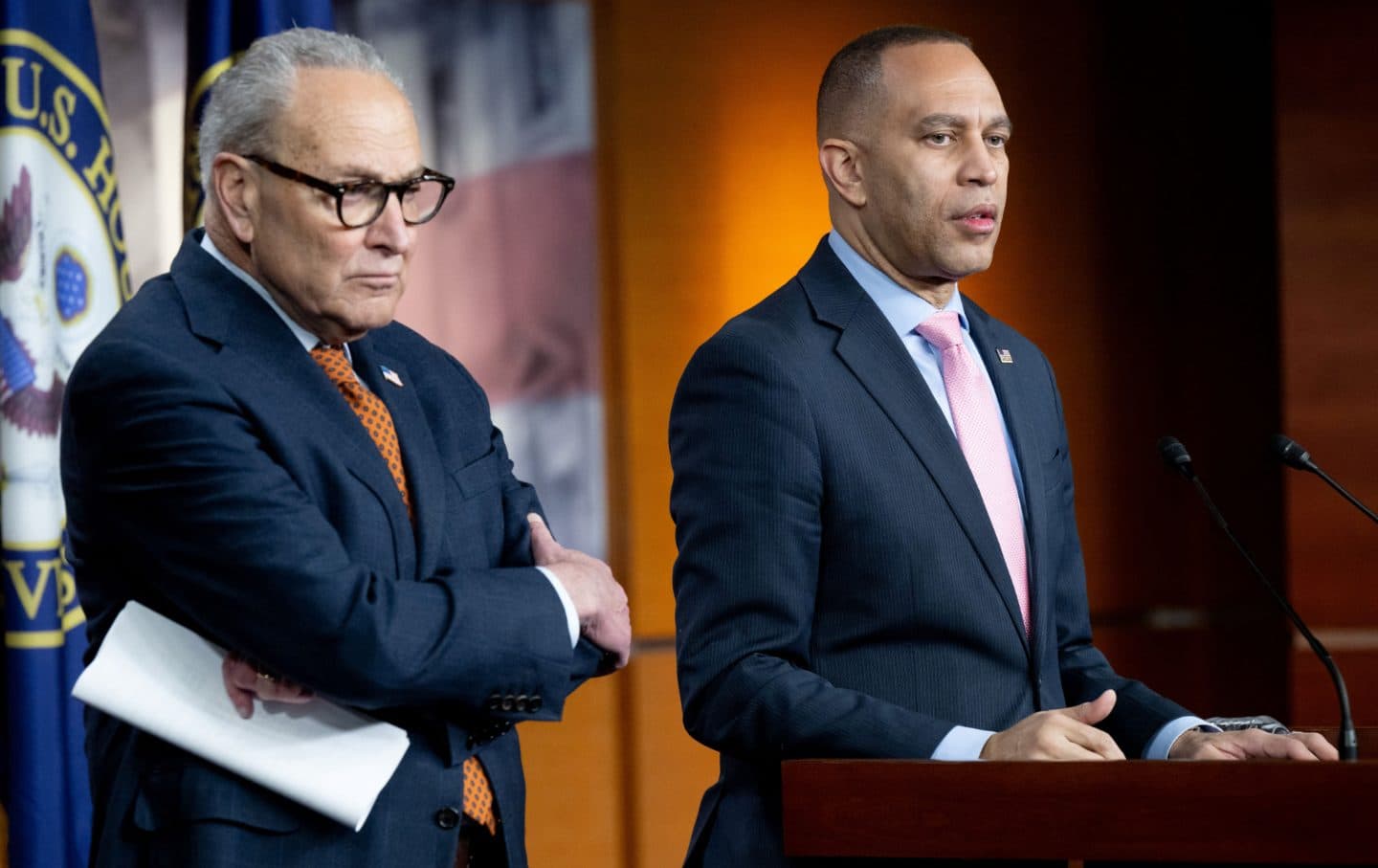
The Nation argues that Democratic leaders Chuck Schumer and Hakeem Jeffries have not clearly opposed the US-Israeli war on Iran, criticizing their delayed support for congressional war-powers votes. The article contrasts their approach with Rashida Tlaib’s direct call to stop the war.
The article says Schumer criticized the administration for not giving Congress sufficient information, warned against another costly war, and supported a resolution to assert Congress’s war powers. It faults him for not directly calling for the war to end. It similarly criticizes Jeffries, citing his remarks about the rationale for attacking Iran and his delayed support for a House war-powers vote. The article says both leaders were silent about the pending attack between February 18 and February 26.
Community verdict
21 VOTES
People in this story
SWIPE →Senate Democratic leader criticized for his response to the war on Iran
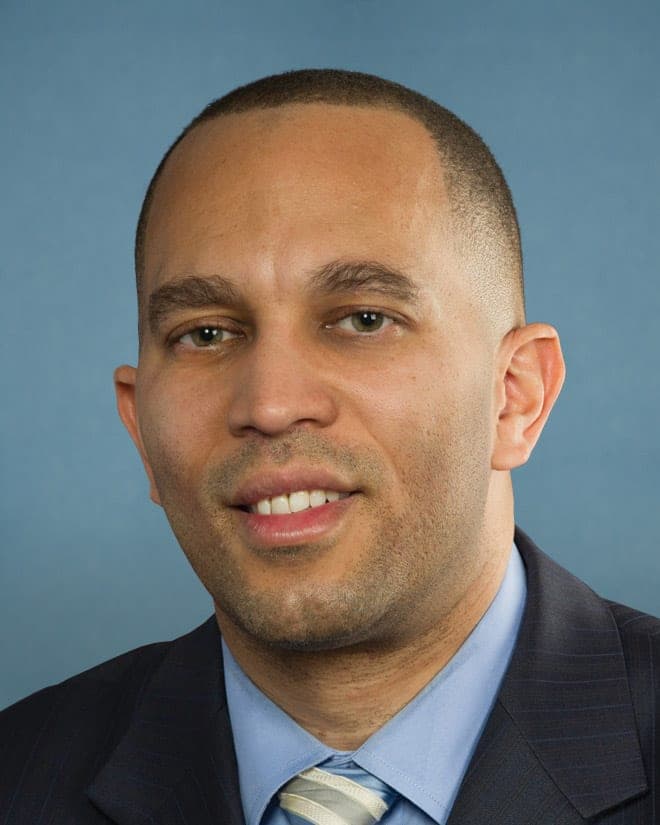
House Democratic leader criticized for his response to the war on Iran
Jeffries's version of this story ↗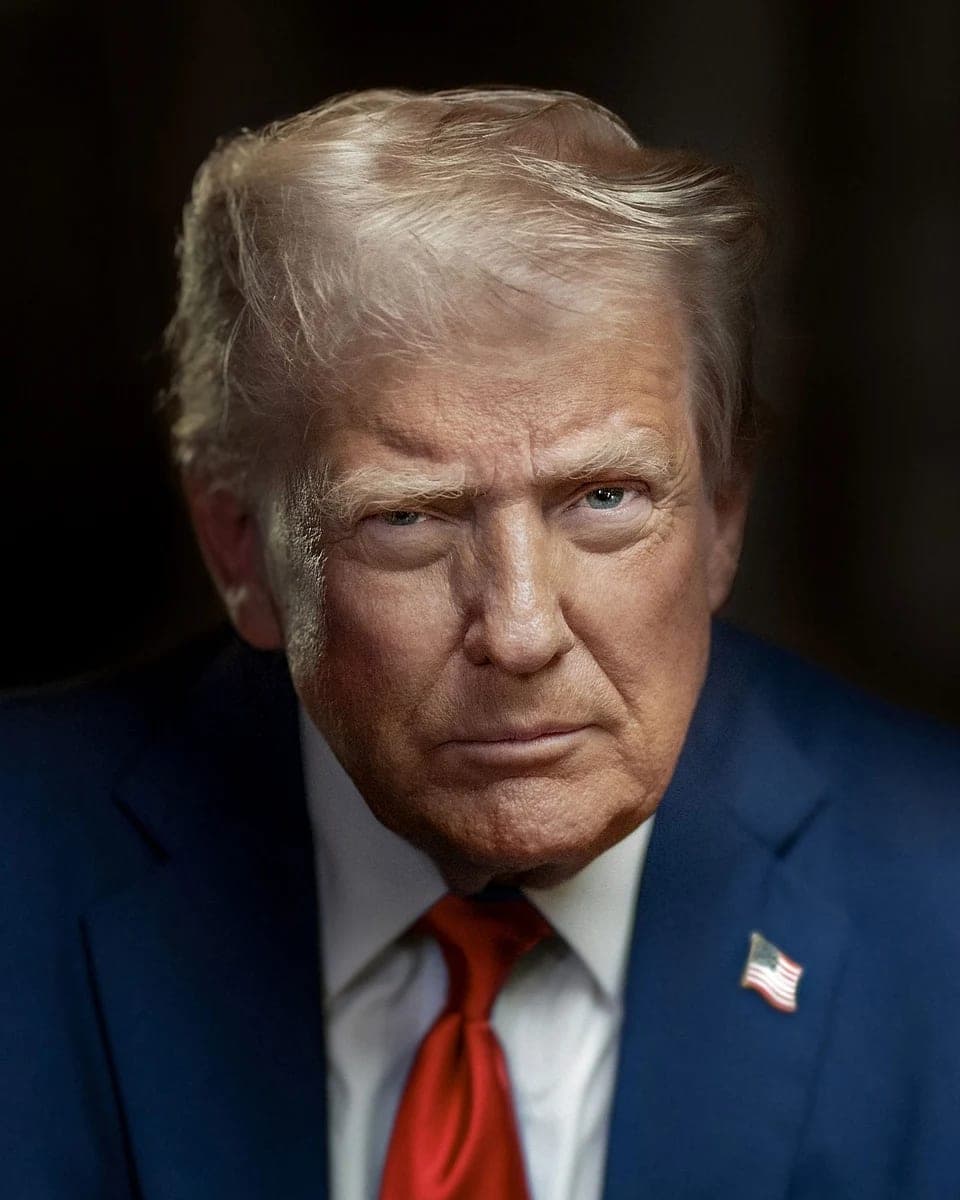
President of the United States
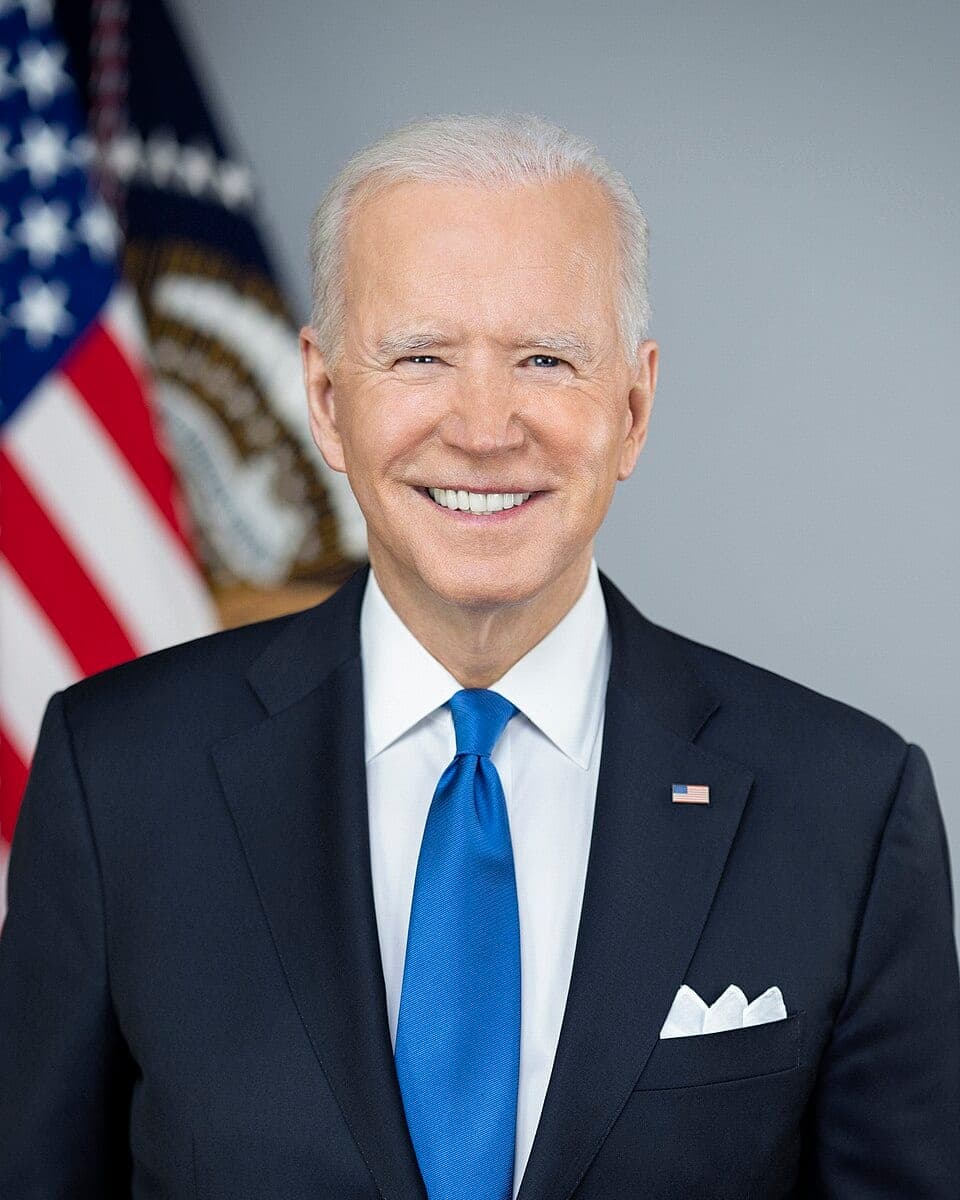
Former President of the United States

Representative associated with an Iran war-powers resolution

Representative who publicly called for Congress to stop the war

Secretary of State

Representative associated with an Iran war-powers resolution
Discussion · 0
Loading comments…