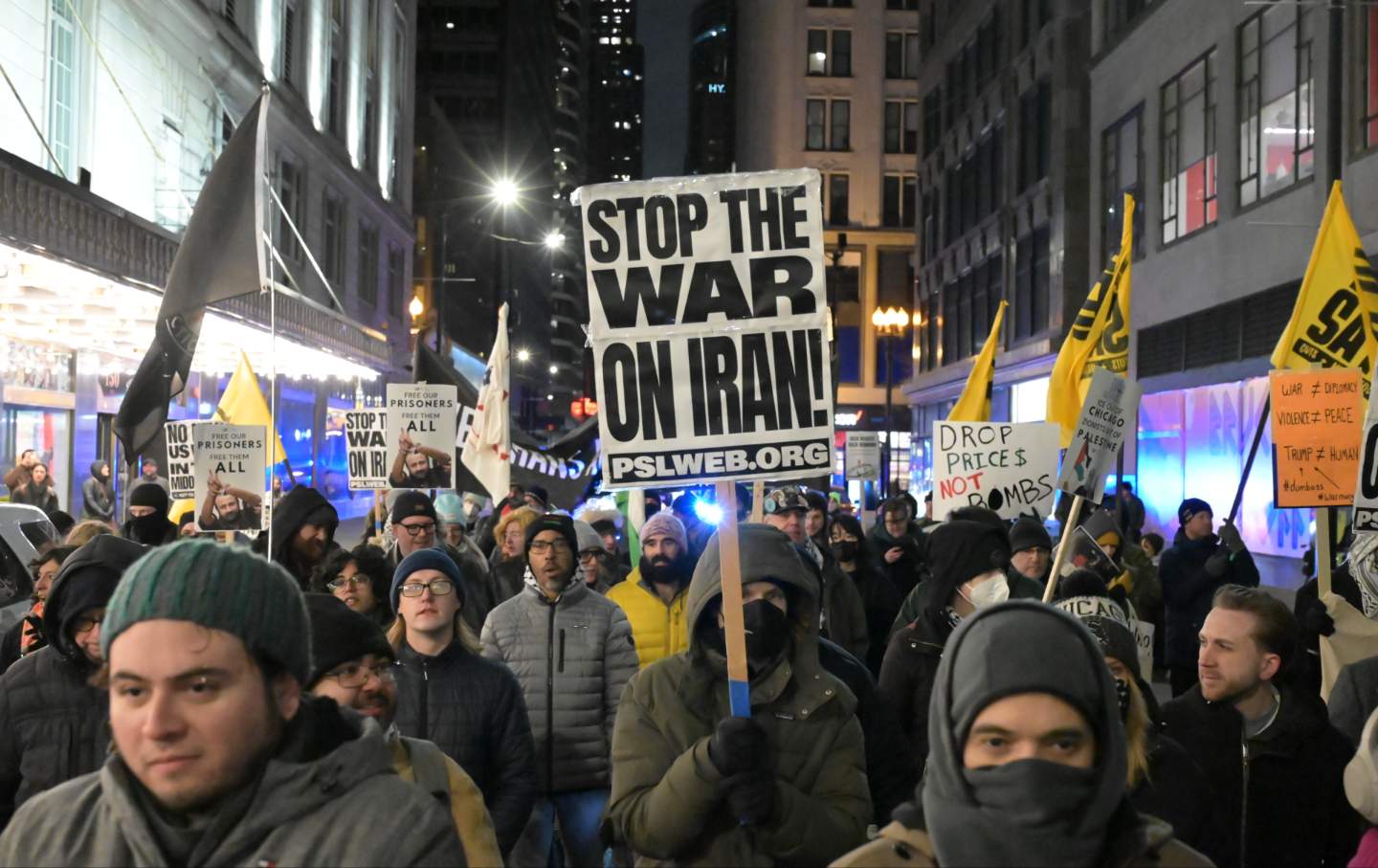
This Is an Unnecessary, Unauthorized, and Unconstitutional War
Khanna called for Congress to convene and vote on the War Powers resolution he introduced with Thomas Massie.
SOURCE CHECK
TAP FOR WHYThe Nation is an established magazine with a recognizable editorial operation, but this is explicitly an opinion article, so it should not be treated as independent straight-news reporting. The author is identified, while the page provides no correction-policy information.
- Source type — An established opinion magazine; the opinion format is a meaningful limit on its role as straight-news reporting.
- Author attribution — The article identifies its author and gives an editorial biography.
- Editorial standards — The publisher is an established publication, though the page does not establish its standards for this opinion piece.
- Correction history — No correction or correction-policy information is present in the article.
The piece cites constitutional text, the War Powers Act, a Congressional Research Service assessment, and named sources, and it includes Trump’s stated justification. Its argument is forceful but offers limited opposing legal analysis or fuller examination of the administration’s case.
HOW WE SCORE ↗This is a strongly argued opinion piece. It includes Trump’s stated rationale and a legal expert’s assessment, but does not develop a competing legal or policy case for the attack.
- Counterarguments presented — Trump’s stated justification is quoted, but the article dismisses it without presenting a developed defense.
- Loaded language — The article repeatedly uses judgmental language to condemn the attack and its defenders.
- Opinion vs reporting — The piece makes an explicit argument and reaches firm conclusions rather than presenting only reported developments.
- Source diversity — It draws on several sources but primarily supports one legal interpretation.
The article uses strongly critical language about Trump’s Iran attack and portrays congressional opposition as a constitutional duty. Its framing and word choices convey a pronounced viewpoint rather than a neutral account.
- Language tone — Terms such as “kingly war of whim” and “apologists for executive overreach” are sharply critical.
- Framing — The article frames the attack as illegitimate and congressional resistance as a constitutional obligation.
- Source selection — It cites legal and historical sources supporting its argument, with little countervailing analysis.
The author argues that President Trump’s attack on Iran was unauthorized and that Congress must challenge it. Representatives Ro Khanna and Thomas Massie are pressing for a House vote on their War Powers resolution, while Senator Tim Kaine has proposed Senate action.
The article says Khanna and Massie had cosponsored a War Powers resolution before the attack and called for Congress to convene and vote after it began. It describes Kaine as proposing a Senate effort to force debate. The author praises their actions and argues Congress has a constitutional role in decisions about war.
The author contends that Trump’s attack does not meet the legal criteria for unilateral military action, citing the War Powers Act and a legal expert’s assessment. The article also quotes Trump’s stated justification and Massie’s call for Congress to set the engagement’s boundaries.
Community verdict
24 VOTES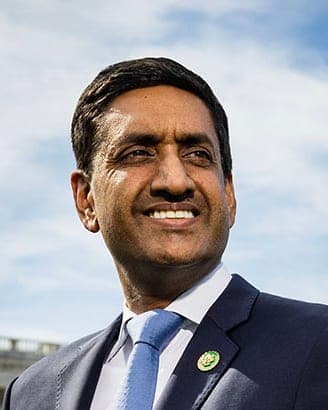
People in this story
SWIPE →Representative pressing for a House vote on a War Powers resolution
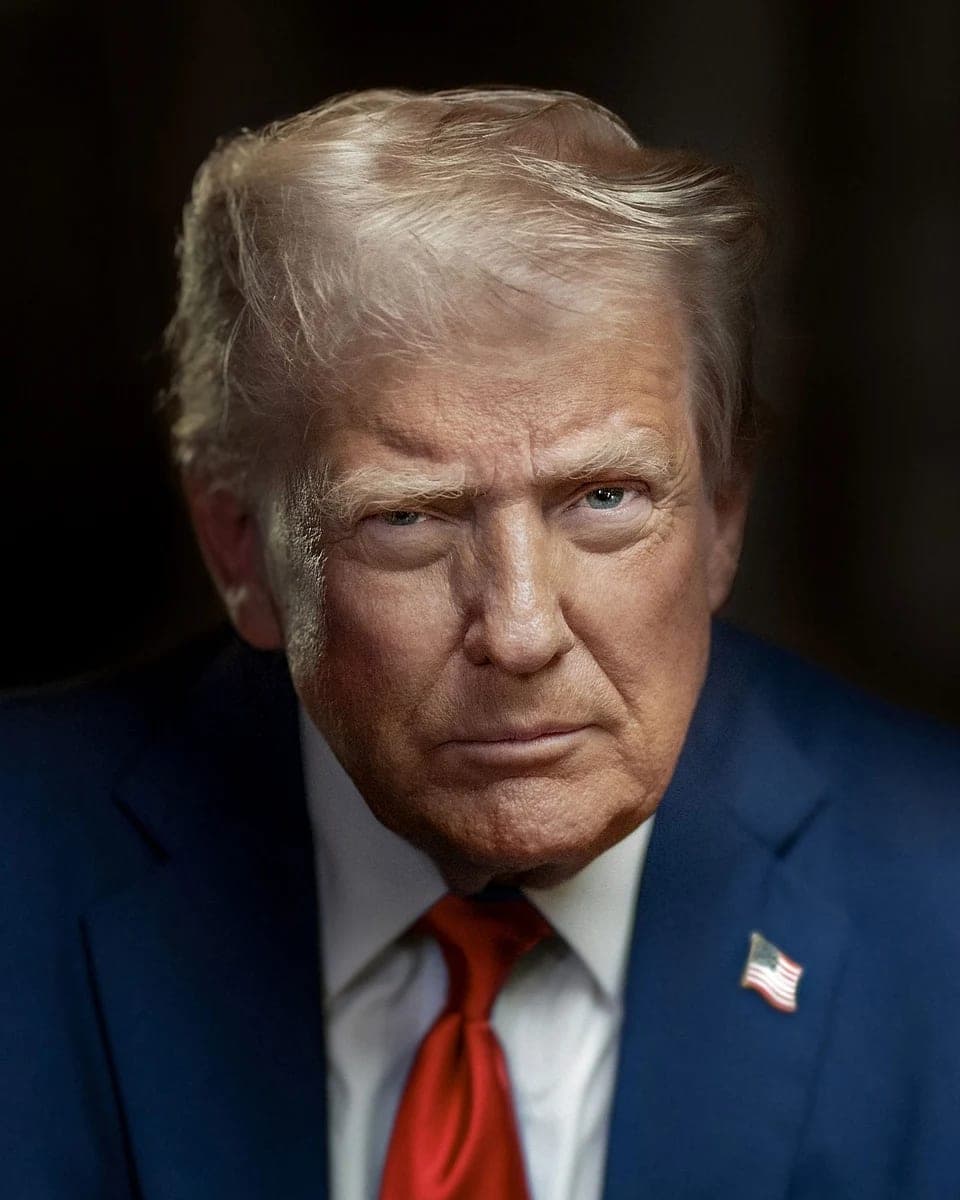
President who launched the military attack on Iran
Trump's version of this story ↗
Representative pressing for a House vote on a War Powers resolution
Massie's version of this story ↗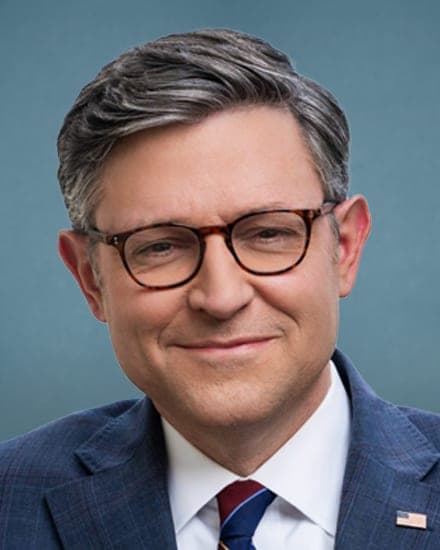
Speaker of the House whom the author says may obstruct congressional action
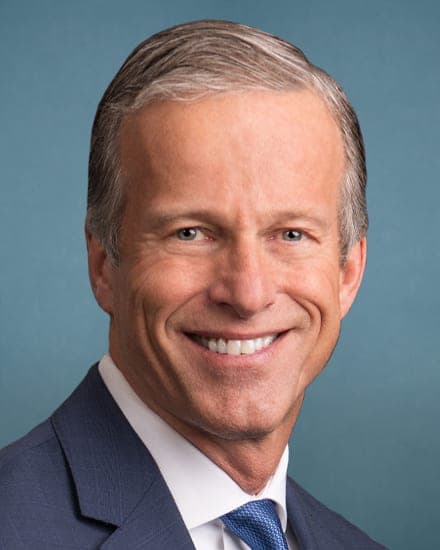
Senate majority leader whom the author says may refuse to recognize Congress’s role
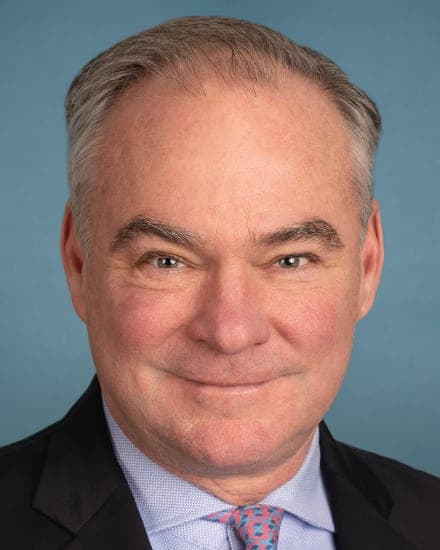
Senator who proposed a Senate effort to force debate about the war
Discussion · 0
Loading comments…