Maine Woman Tells Politico a Blacked-Out Platner Raped Her; Platner Denies
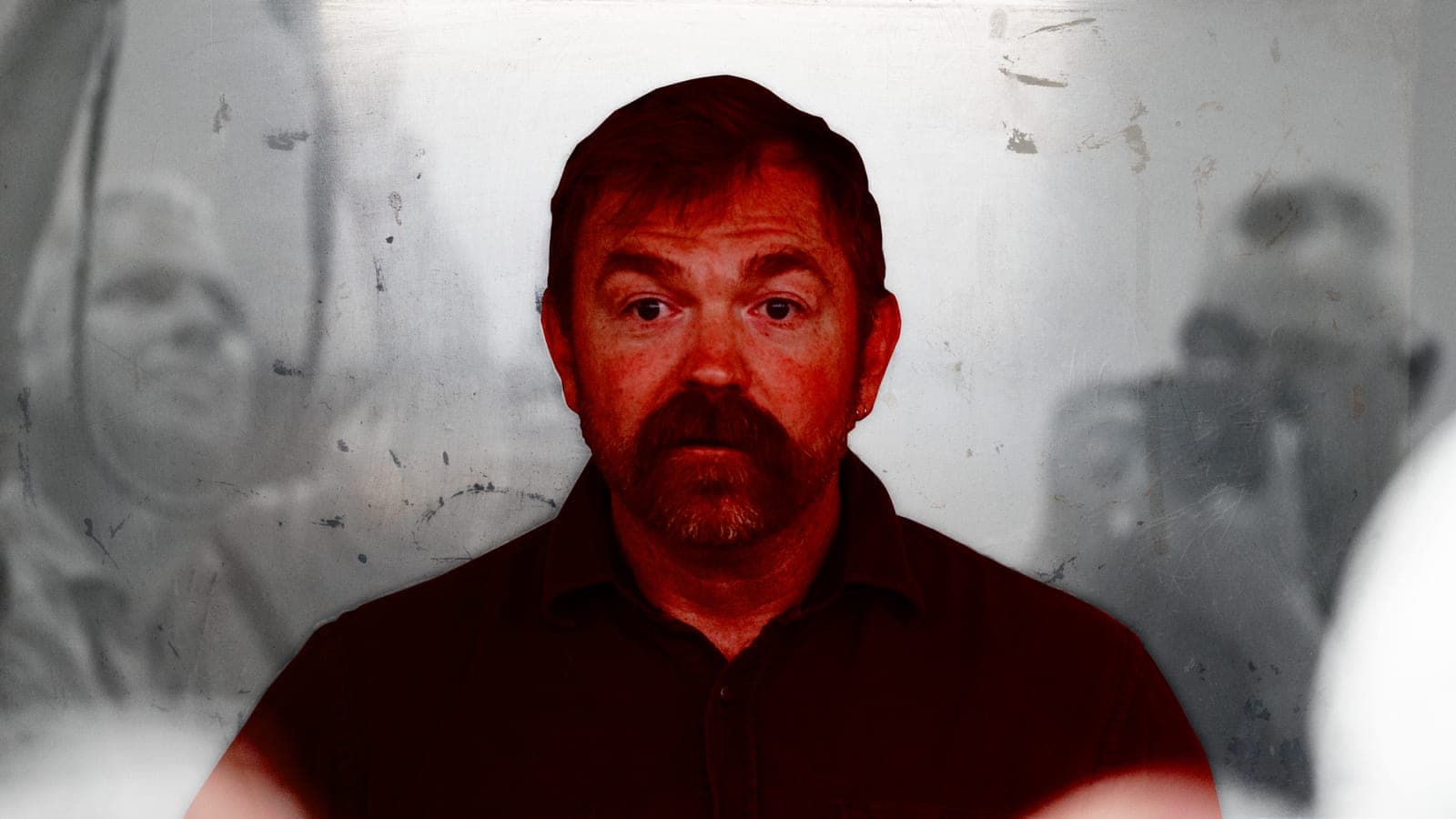
A Maine woman told Politico that Platner forced her to have sex against her will; Platner denies the allegation.
SOURCE CHECK
TAP FOR WHYThe page has a named author and attributes much of its central account to Politico and the New York Times, but its own framing is highly partisan and includes loaded language. The article does not establish the publisher’s correction practices or broader editorial safeguards.
- Source type — A local-news publisher, but this article uses conspicuously partisan and editorialized framing.
- Author attribution — A named author is credited, and reporting from other outlets is identified.
- Editorial standards — The article includes Platner’s denial, but its own characterization of the allegations is not consistently restrained.
- Transparency — Some sourcing and reviewed materials are described, though the article also relies on unnamed sources and unidentified Democratic operators.
The account attributes the central allegation to Politico and notes that Politico interviewed the woman and reviewed documents; it also reports Platner’s denial and includes some account of earlier reporting. However, much of the article summarizes other outlets, relies in part on anonymous sources, uses loaded language, and does not provide an independent resolution of the competing claims. Several passages repeat material.
HOW WE SCORE ↗The story includes Platner’s denial and references his account of personal growth, but its detailed presentation overwhelmingly develops the allegations and their political consequences. The language is often evaluative, and the article gives limited space to evidence or context that might test the competing accounts.
- Loaded language — Several descriptions and conclusions are emotionally charged or evaluative rather than neutral.
- Counterarguments presented — Platner’s denial is included, as is his acknowledgment of past struggles, but his response to this specific allegation is not developed.
- Source diversity — The story identifies reporting by Politico and the New York Times but relies substantially on accounts presented through those outlets and unnamed political sources.
- Omitted context — The article does not establish an independent finding about the allegation or present a detailed response from Platner concerning the specific account.
The article’s language and framing are strongly critical of Platner, a Democratic Senate candidate, and highlight potential benefits to Republican Sen. Collins. It includes denials and attributed sourcing, but its selection and characterization of details tilt rightward.
- Language tone — Uses pejorative and dramatic descriptions, including “Icarus-like,” “fatally wounded,” and “vivid and credible.”
- Framing — Connects the allegations to the prospect of Collins winning another term and emphasizes damage to Platner’s candidacy.
- Source selection — Relies heavily on allegations and earlier critical reporting, with limited detail about Platner’s response beyond denials and brief context.
- Headline — Centers the rape allegation and Platner’s denial, with a strongly accusatory framing.
A Maine woman told Politico that Senate candidate Graham Platner forced her to have sex against her will nearly five years ago; Platner denies the allegation. The Maine Wire also describes how the allegation could affect his campaign against Sen. Susan Collins.
Politico reported that Jenny Racicot said Platner entered her home uninvited, ignored her objections, and had sex with her against her will. Racicot said Platner told her the next morning that he did not remember the incident. Platner denied the allegation. Politico said it interviewed Racicot and a person she had confided in and reviewed emails and messages related to her account.
The Maine Wire also recounted earlier allegations and reporting about Platner, alongside his denials and acknowledgment of past struggles with PTSD, depression and alcohol. The article said Democratic operatives were testing possible alternatives and that Platner would have to withdraw voluntarily by July 13 for Democrats to select a replacement. It reported that Collins’s campaign declined to comment.
Community verdict
20 VOTES
People in this story
SWIPE →Former Maine gubernatorial candidate mentioned as a possible alternative in a poll

Maine senator and incumbent in the race Platner seeks to enter
Former Maine congressional candidate mentioned as a possible alternative in a poll

Senator who endorsed Platner

Senator who endorsed Platner

Maine governor and former Senate-primary opponent of Platner
Part of a bigger story
12 OUTLETSOutlets agree that a woman accused Maine Senate candidate Graham Platner of sexual assault and that he denied the allegation. Coverage also reports calls from Democratic officials or supporters for him to leave the race. Left-leaning outlets emphasize the accuser’s account and allies withdrawing support or urging Platner to exit. Center outlets mostly present the allegation, denial and political reactions with attributed responses, while also noting Platner is weighing his campaign’s future. Right-leaning outlets stress the allegation’s potential damage to his campaign; one also frames Democrats’ response as political maneuvering.
- ARTICLES
- 12
- OUTLETS
- 12
- AVG CRED
- 71
Discussion · 0
Loading comments…