Susan Collins’s Committee Bought Trucks the Army Didn’t Want. Then Campaign Donations Poured In.
The article examines donations to Collins after Congress funded an Army vehicle program, alongside her office’s statement that she did not make the funding decision.
SOURCE CHECK
TAP FOR WHYThe Intercept is an established national investigative outlet, and this article names its author and identifies records and sources behind its reporting. Its investigative framing warrants some caution, but the article includes relevant responses and qualifies what the donations do and do not establish.
- Source type — An established national news outlet with a record of investigative reporting.
- Transparency — It identifies FEC records, OpenSecrets data, named sources, and offices contacted.
- Author attribution — The article names its author.
- Editorial standards — The article includes responses and explicitly says there is no indication the donations were part of a separate alleged scheme.
The article supplies specific donation amounts, cites campaign-finance records and OpenSecrets, and includes comments from Collins’s office, an industry representative, and a money-in-politics expert. It gives relevant context and caveats, though Calvert’s office did not respond and the relationship between donations and the funding decision is not established.
HOW WE SCORE ↗The reporting provides the donation records, the Army’s rationale, the stated concerns about cost and consultation, and responses from Collins’s office and the company. Calvert’s office did not respond, and the article gives more space to the donations and potential influence concerns than to defenses of the funding decision.
- Source diversity — The article draws on public records, a reform advocate, congressional offices, and the company’s CEO.
- Counterarguments presented — It reports Collins’s office’s denial of involvement and the stated concerns behind restoring the vehicle funding.
- Omitted context — Calvert’s office did not respond, and the article does not establish that donations influenced the decision.
- Loaded language — The headline and framing imply a concerning connection, but the article includes explicit qualifications.
The article frames contractor donations to appropriators as a potential influence concern, but it also includes officials’ explanations, the company’s response, and an explicit caveat that the donations are not shown to be part of a pay-to-play scheme.
- Framing — The headline and narrative emphasize donations following congressional funding for a vehicle the Army said it did not need.
- Language tone — The framing is skeptical of the campaign-finance system, while most descriptions remain factual.
- Source selection — It includes a reform advocate as well as statements from Collins’s office and AM General’s CEO.
- Omission — It notes the limits of the evidence and reports that the donations are not shown to be tied to a scheme.
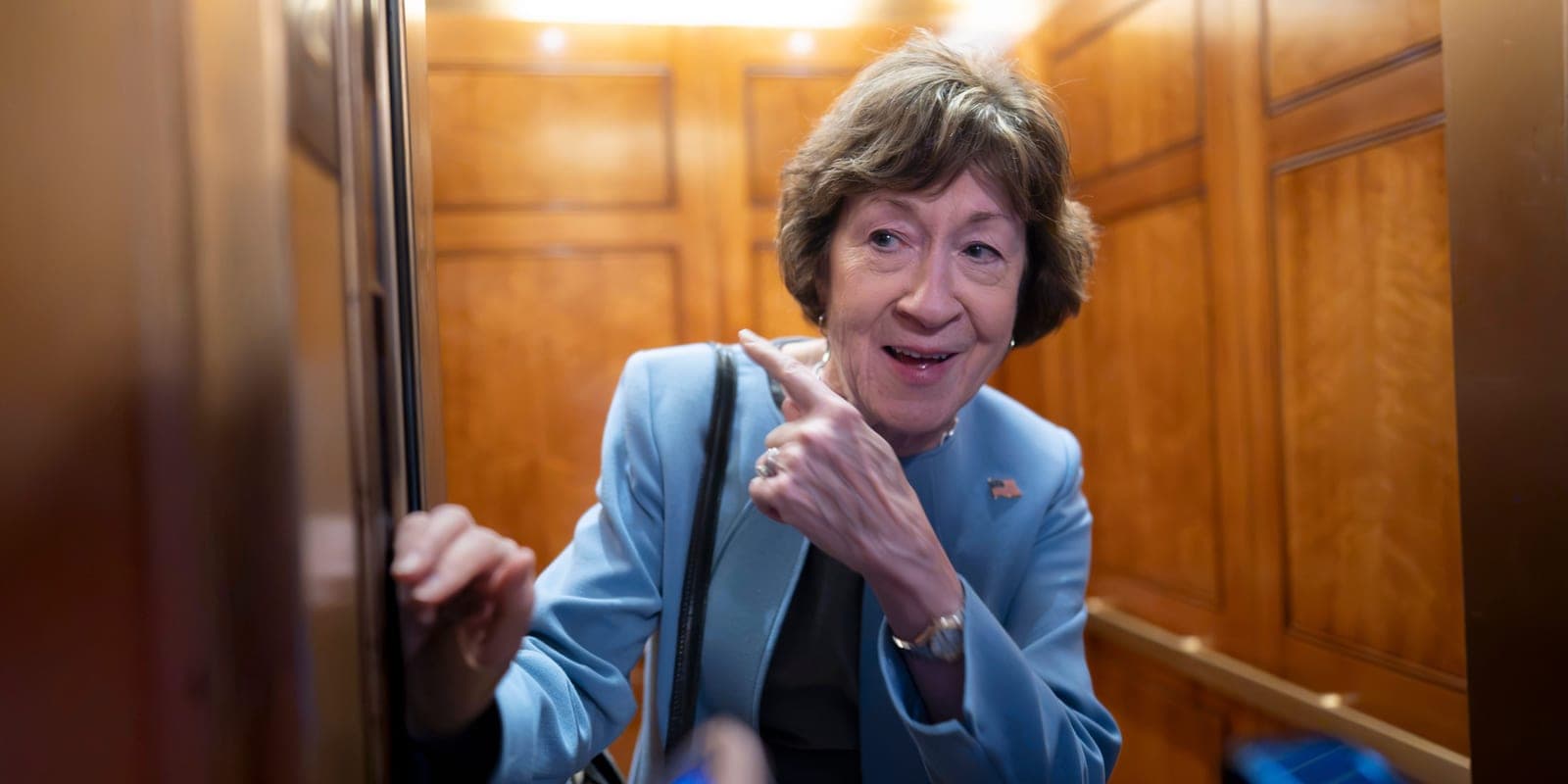
After Congress provided $345 million for an Army vehicle program the Army had called unnecessary, AM General-related donors gave substantial sums to key appropriators Susan Collins and Ken Calvert. Collins’s office said she was not involved in the funding decision; the article reports no indication that the donations were part of a pay-to-play scheme.
The Army said it had enough Joint Light Tactical Vehicles and that additional deliveries would be excess, but Congress later provided $345 million for procurement. After the appropriations bill passed, AM General and parent-company employees and PACs contributed to appropriations committee members, including Collins and Calvert. Collins’s campaign committees received $50,000 from donors associated with AM General after the bill passed, while Calvert received direct contributions and PAC donations.
Collins’s office said she was not involved in the funding decision, which it attributed to the House and Senate defense appropriations subcommittee leaders. The article says there is no indication that AM General’s donations were part of the separate alleged pay-to-play scheme involving another donor, which Collins’s office denied. It also reports that House appropriators later cited production delays and sought a new contractor, while AM General’s CEO defended the company’s performance.
Community verdict
VOTING CLOSED
No good or bad look here
This story reports what happened without casting Collins in a good or bad light, so readers don’t rate it and it doesn’t count toward Collins’s record.
People in this story
SWIPE →Senator whose appropriations committee role and campaign contributions from AM General-associated donors are examined

Senator who received AM General-associated donations and supported the vehicle program
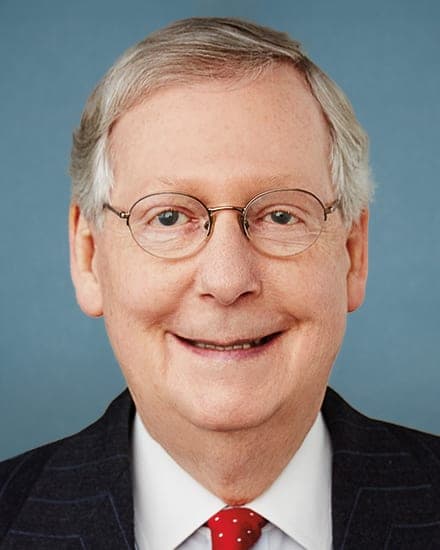
Senator identified by Collins’s office as a decision-maker on the Senate side
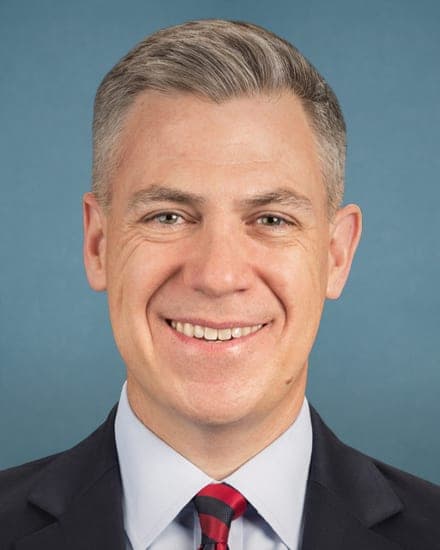
Senator whose leadership PAC received AM General-associated donations
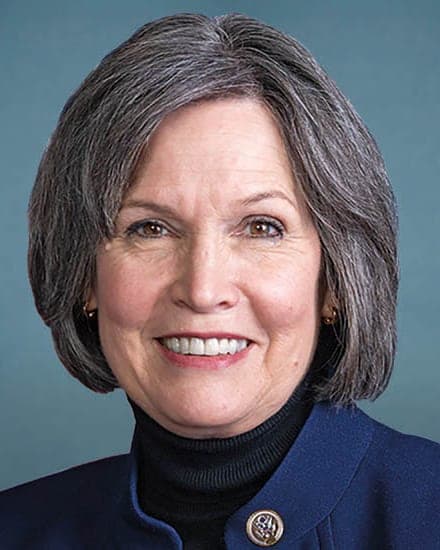
House appropriator who questioned the Army’s decision to cut the vehicle program
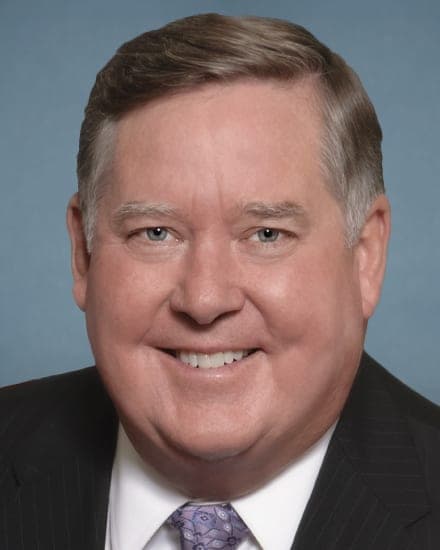
Representative who received AM General-associated campaign contributions

Democratic Senate candidate mentioned in the context of Collins’s reelection race

Representative who received AM General-associated contributions
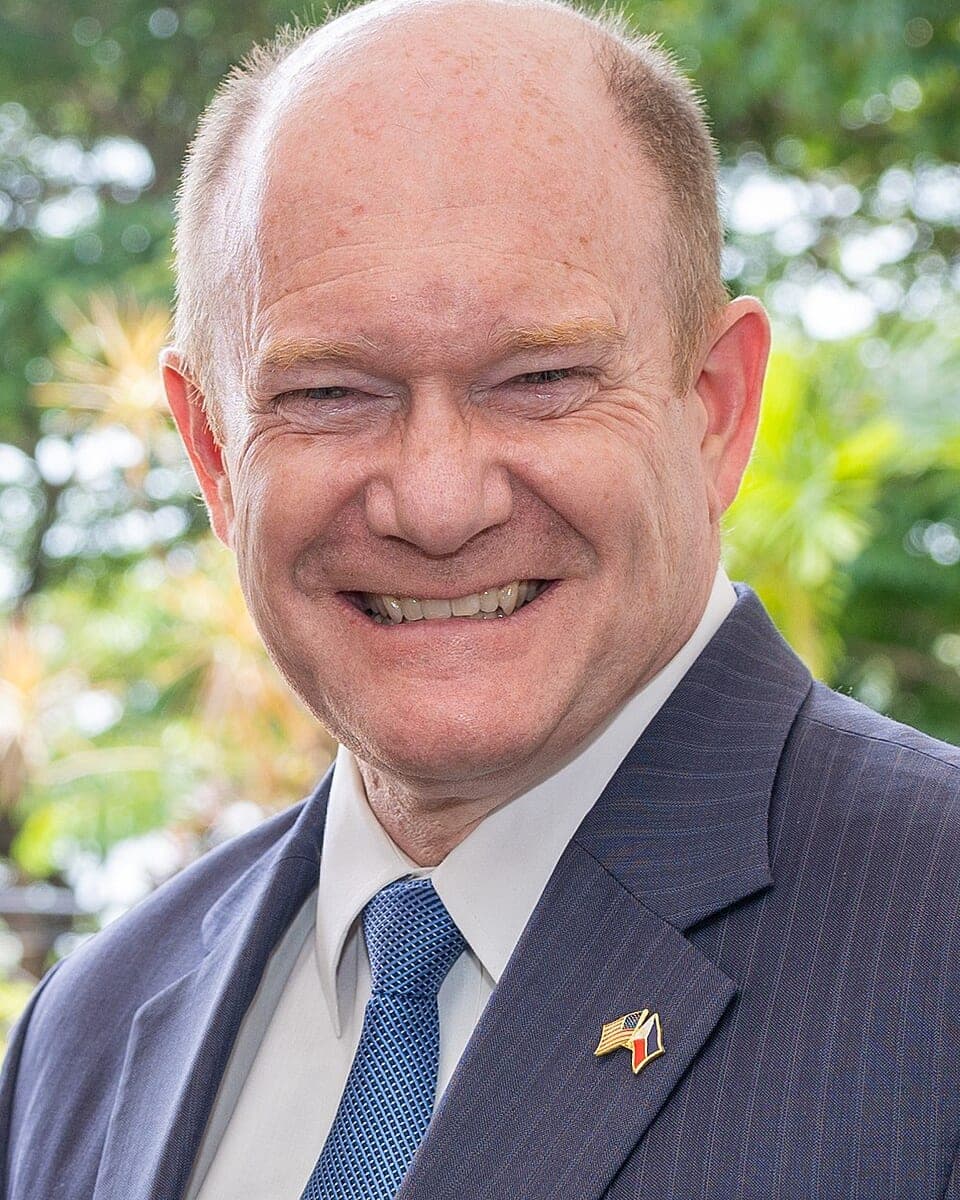
Senator identified by Collins’s office as a decision-maker and reported recipient of a PAC donation
Discussion · 0
Loading comments…