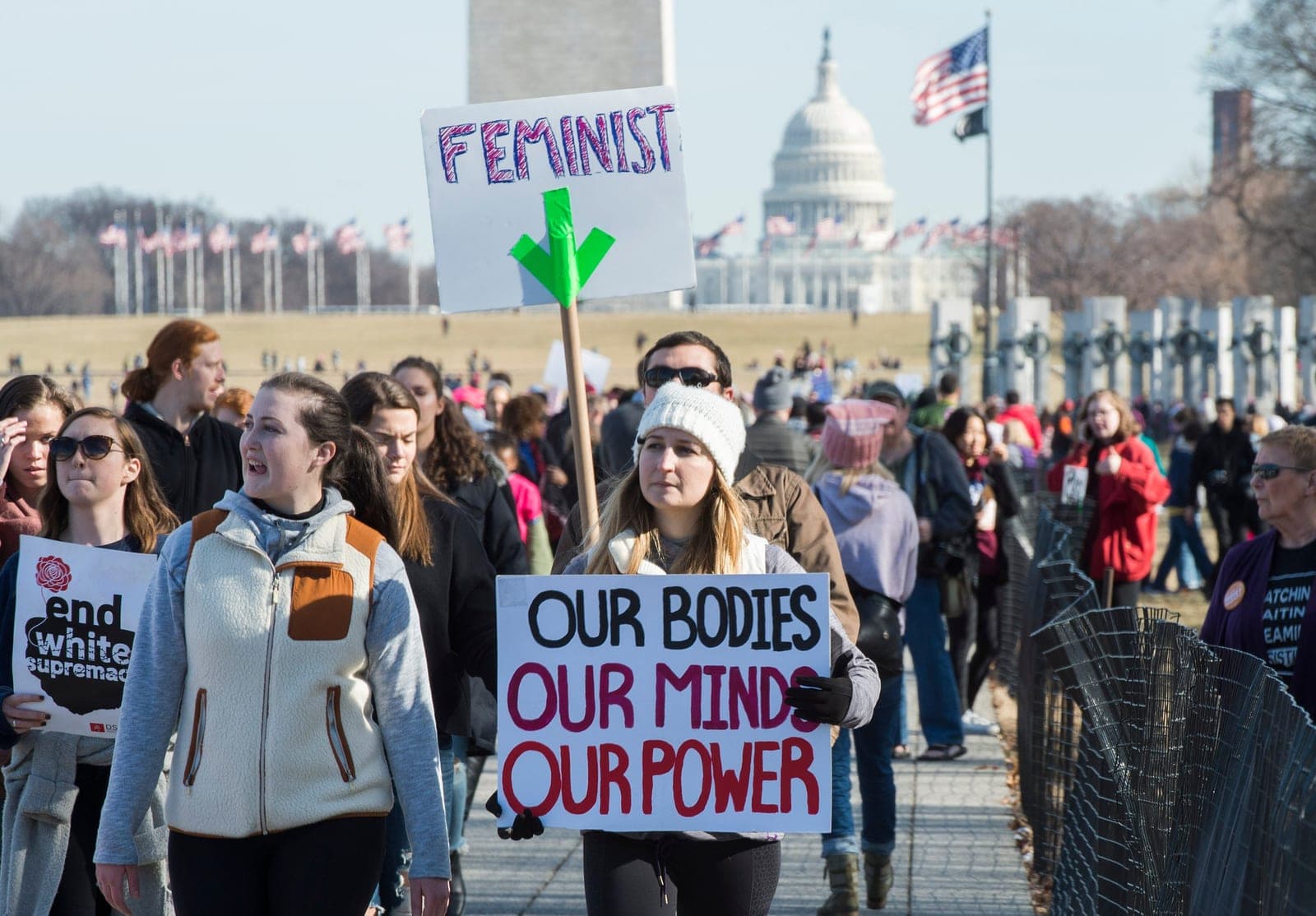
Congress is facing its own #MeToo moment. It's probably not enough
Swalwell resigned while denying allegations of sexual misconduct.
SOURCE CHECK
TAP FOR WHYThe Independent is an established news organization with an identifiable author, though this article’s strongly argumentative presentation makes it less like a straight report. The text attributes key claims and denials to named sources but provides limited independent documentation.
- Source type — Established international news organization with a substantial record of reporting.
- Editorial standards — The publisher has newsroom structures, but this piece uses overtly argumentative framing.
- Author attribution — A named journalist is identified as the author.
- Source diversity — The article attributes statements to named sources and includes denials, but offers limited documentary evidence.
The article cites named sources, reports denials, and gives some context about congressional and state-level misconduct allegations. Its argument relies substantially on quotations and broad claims, with little detailed evidence or response from the people accused.
HOW WE SCORE ↗The article includes the accused lawmakers’ denials and quotes from several named sources, but its main argument is that Congress has failed to address misconduct. It gives little space to counterarguments or detailed responses from the lawmakers.
- Counterarguments presented — Swalwell’s denial and Gonzales’s statement denying responsibility for his former staffer’s death are included, but broader responses are limited.
- Loaded language — The article uses charged descriptions such as “disgraced” and quotes Greene calling Congress a “cesspool.”
- Source diversity — It quotes lawmakers, advocates and a former staffer, but most sources support the accountability-focused argument.
- Omitted context — The article gives little detail on the evidence behind the allegations or the lawmakers’ fuller responses.
The article uses a critical, accountability-focused frame about sexual misconduct and institutional failures, while directing criticism across party lines. Its framing is somewhat aligned with a progressive #MeToo perspective, but it does not primarily promote a party.
- Language tone — Terms such as “disgraced” and “cesspool” create a strongly critical tone toward Congress.
- Framing — The piece argues that resignations may not be enough and emphasizes institutional accountability.
- Source selection — It relies on advocates and critics of congressional handling of misconduct, while also reporting denials.
- Headline — The headline frames the events as a #MeToo moment and questions whether the response is sufficient.
Eric Swalwell and Tony Gonzales resigned from Congress amid sexual misconduct allegations, renewing questions about how misconduct is handled on Capitol Hill. The article argues that the resignations may not be enough to change a culture that discourages women from speaking out.
The article reports that Eric Swalwell resigned while denying allegations that he drugged, raped and choked a woman in 2018 and made unwanted advances toward other women. Tony Gonzales resigned after acknowledging an inappropriate relationship with a former staffer; he denied responsibility for her death. Another woman alleged that Gonzales sent her hundreds of sexually explicit messages. The article frames the departures as a possible reckoning but questions whether they will lead to broader accountability.
The piece cites concerns that misconduct is an “open secret” in Congress and notes that former Representative Marjorie Taylor Greene said similar behavior may involve other members. It also reports that the House blocked Representative Nancy Mace’s proposal to make records of congressional sexual misconduct investigations public, with Gonzales among those voting against it.
Community verdict
15 VOTES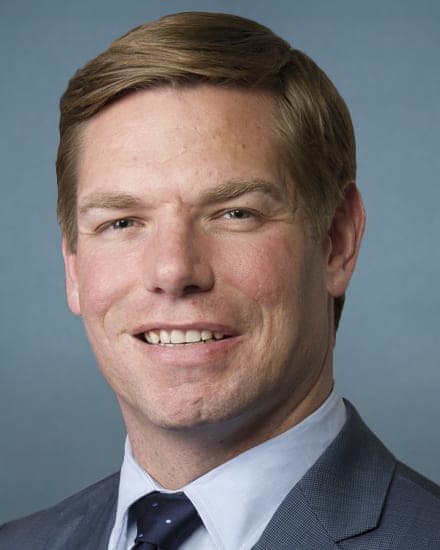
People in this story
SWIPE →California representative who resigned amid sexual misconduct allegations
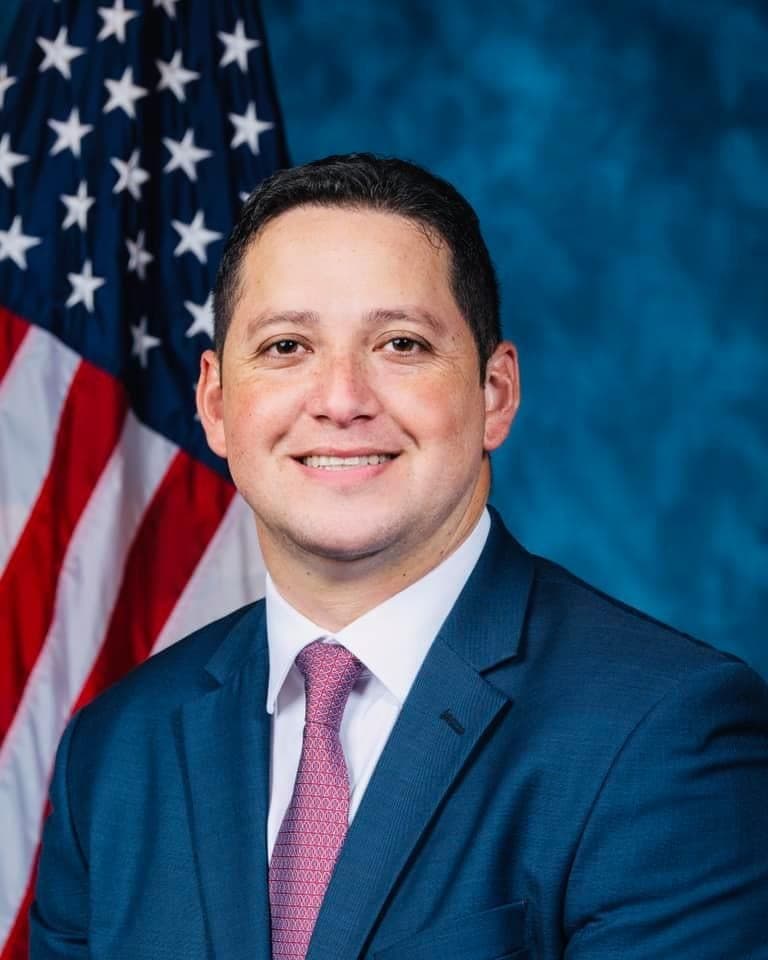
Texas representative who resigned after acknowledging an inappropriate relationship with a former staffer
Gonzales's version of this story ↗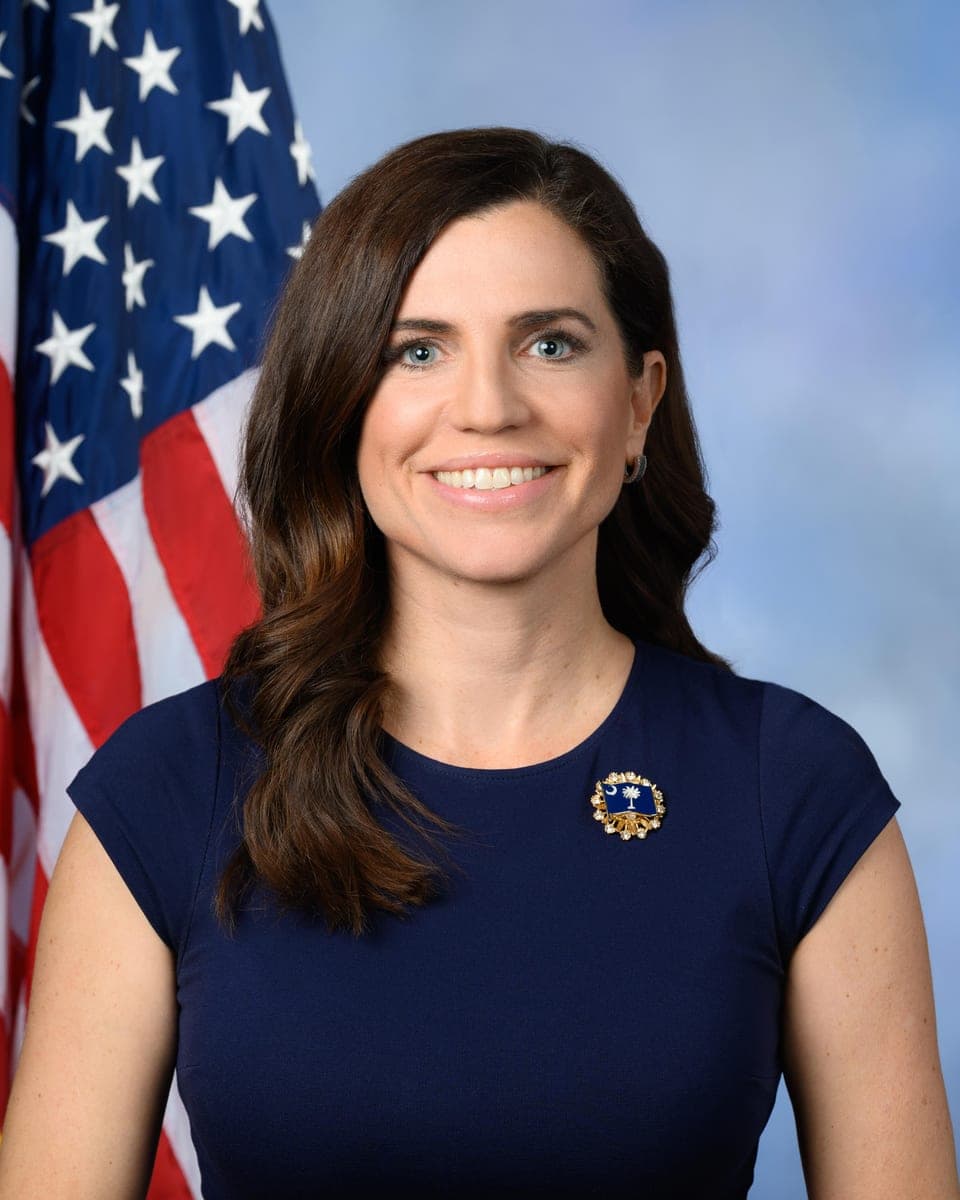
South Carolina representative whose proposal to release congressional misconduct records was blocked
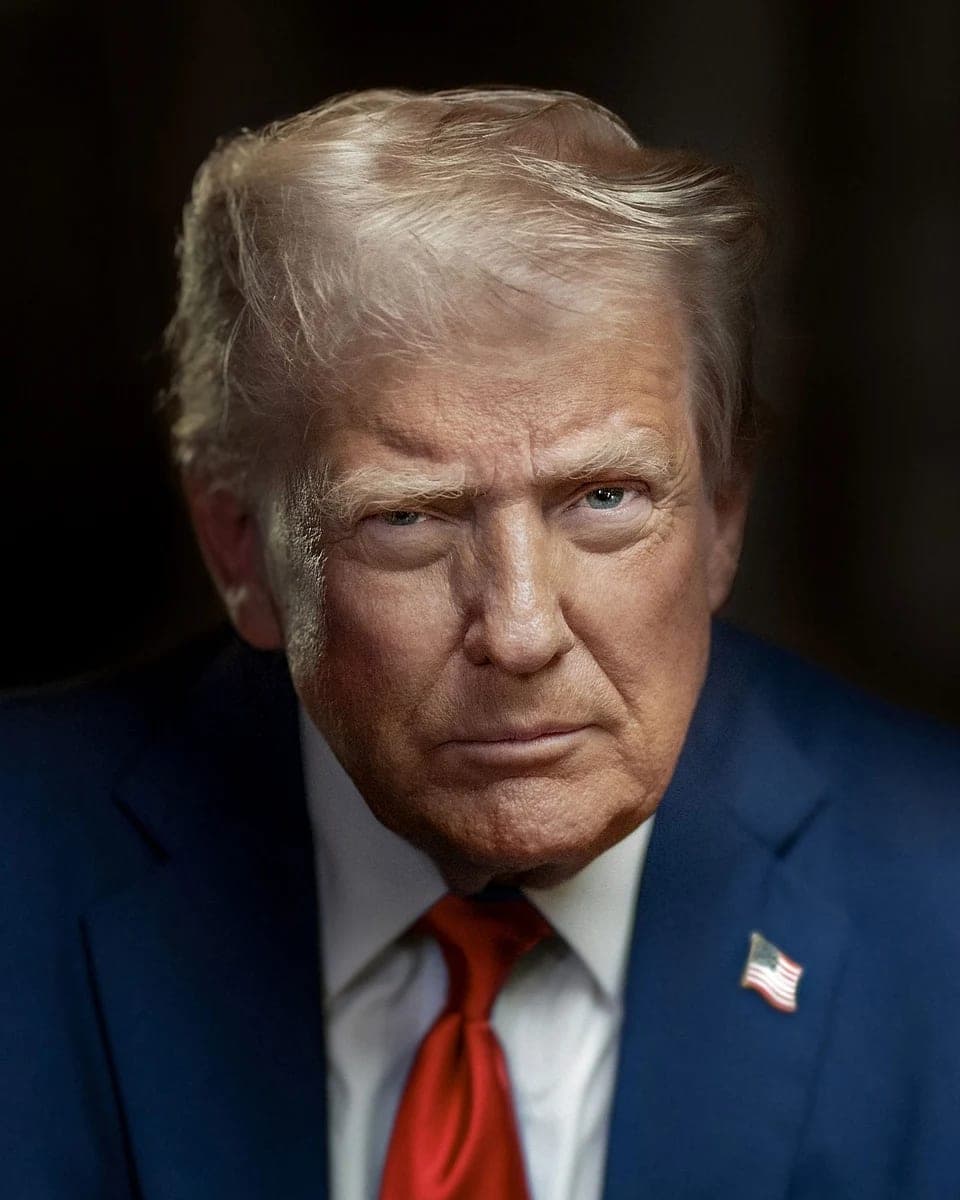
President mentioned in connection with a past sexual-assault liability finding
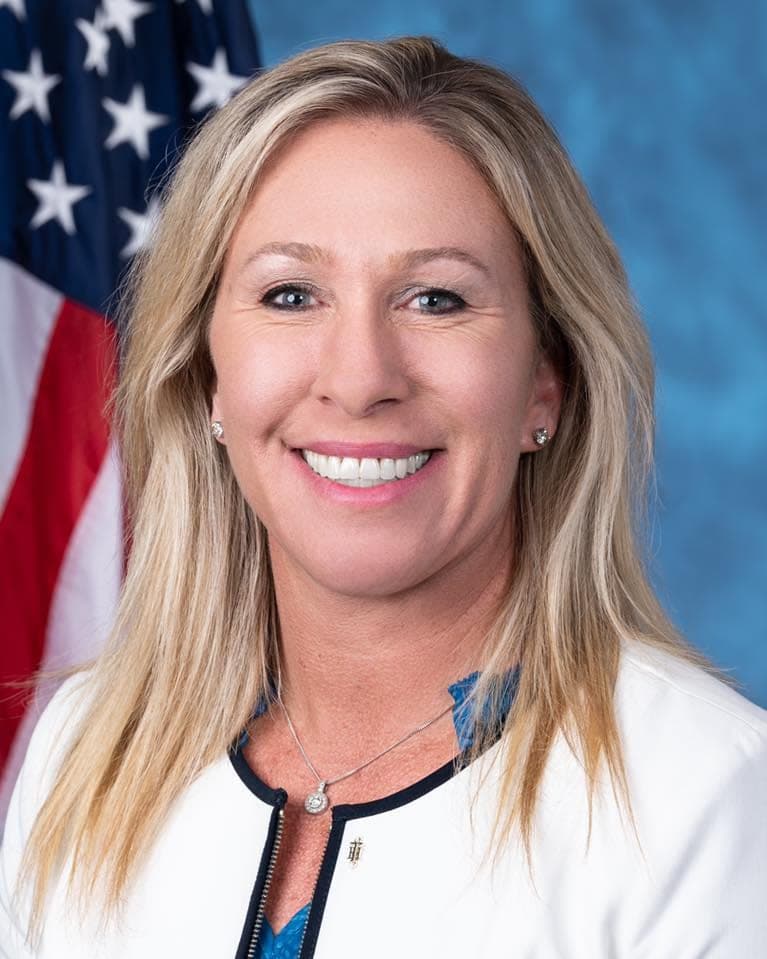
Former representative who said alleged misconduct may be prevalent in Congress
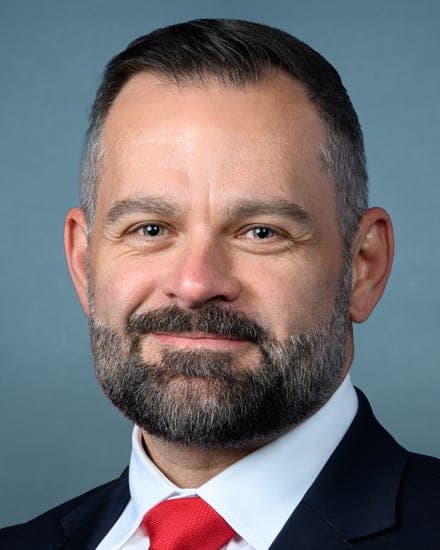
Florida representative accused of domestic violence
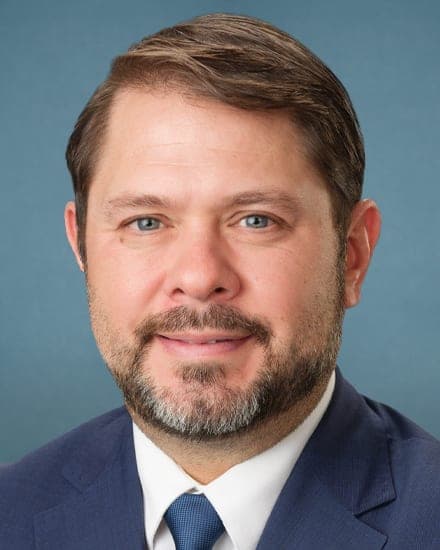
Arizona senator who said he and others were misled about Swalwell
Part of a bigger story
16 OUTLETSSwalwell announced he would resign from Congress amid sexual-misconduct allegations, which he denies. Coverage also reports a House Ethics Committee investigation. Center outlets report his resignation alongside his denial and the ethics inquiry, with some highlighting accusers’ calls for further accountability. Right-leaning outlets foreground the allegations and potential consequences, including possible expulsion, investigations, and congressional benefits.
- ARTICLES
- 18
- OUTLETS
- 16
- AVG CRED
- 62
Discussion · 0
Loading comments…