Political Line newsletter Rishi Sunak, Ro Khanna, Dinesh D’Souza: united by colour; divided among white nationalists
Khanna responded that his Hindu faith and Indian immigrant father do not make him less American.
SOURCE CHECK
TAP FOR WHYThe Hindu is an established newspaper with an identifiable author and a recognizable editorial operation. This newsletter’s analysis and compilation format is less independently verifiable than a reported news article, but no reproduction signals appear.
- Track record — Established newspaper with a long-running editorial operation.
- Author attribution — The newsletter names Varghese K. George as its curator.
- Editorial standards — The publisher has an established newsroom, though this newsletter combines analysis and brief roundups.
- Transparency — The article identifies its newsletter format and author, but offers limited sourcing detail for several summarized developments.
The article attributes several statements to named speakers and provides context for the central discussion. It is a newsletter-style analysis with limited sourcing detail and little presentation of counterarguments, and its shorter roundups provide relatively little evidence.
HOW WE SCORE ↗The article quotes or summarizes several differing positions, including Sunak’s immigration concerns and D’Souza’s defense of his family. Its analysis nevertheless centers criticism of racial nationalism and gives limited space to opposing arguments.
- Source diversity — Includes statements from multiple public figures with differing perspectives.
- Counterarguments presented — Reports some concerns about immigration and national identity, but does not develop a sustained counterargument to its central framing.
- Loaded language — The framing uses critical language about white nationalism and supremacism.
- Opinion vs reporting — Newsletter analysis and explanatory commentary accompany reported statements and events.
The framing is critical of racial nationalism and emphasizes the exclusionary effects of using race or religion to define national belonging. The piece also includes Sunak’s concerns about immigration and Islamism, but its overall interpretive lens leans left.
- Framing — Organizes the central story around exclusion and racial nationalism.
- Language tone — Uses critical terms such as “white supremacism” while discussing nationalist rhetoric.
- Source selection — Includes statements from figures with different views, but foregrounds responses challenging racial tests of belonging.
A Political Line newsletter examines how Rishi Sunak, Ro Khanna and Dinesh D’Souza discuss belonging and national identity amid racist nationalist rhetoric. It also rounds up developments in several Indian states and courts.
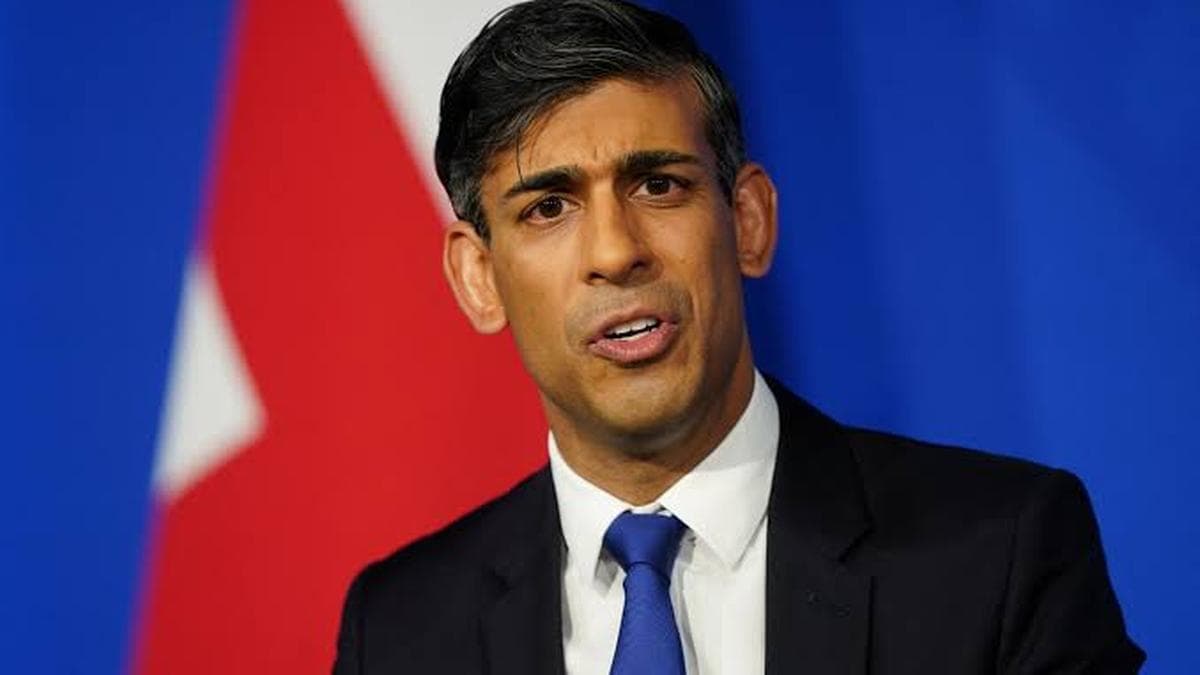
The newsletter describes anti-India and anti-Hindu rhetoric surrounding a Texas temple statue, then reports responses by U.S. Army veteran Ruchir Bakshi and Dinesh D’Souza. D’Souza defended his daughter and son-in-law, Representative Brandon Gill; Khanna responded that his own Hindu faith and Indian immigrant father did not make him less American. Sunak warned against using race as a test of British identity, while also citing immigration and Islamism as challenges and defending the U.K.’s Rwanda deportation policy.
Other sections report allegations of caste discrimination at a Madhya Pradesh hospital, church notices in Chhattisgarh following a new religion law, Assam rules for Muslim marriage and divorce registration, and a Supreme Court observation on religious freedom and the national song. The newsletter also covers a claim by Uttar Pradesh minister Om Prakash Rajbhar that the state would be divided into four parts, a West Bengal statement on the Uniform Civil Code and language recognition, and Karnataka’s decision to grant Tulu second-official-language status in two districts.
Community verdict
4 VOTES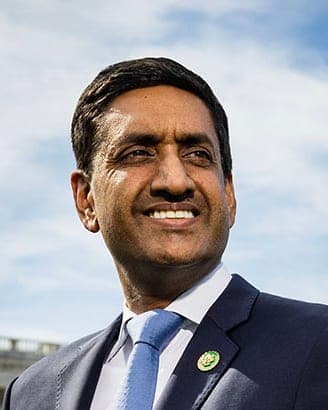
People in this story
SWIPE →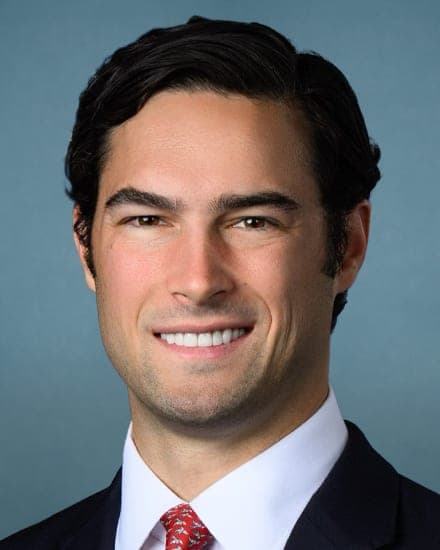
Representative and Dinesh D’Souza’s son-in-law
Discussion · 0
Loading comments…