Marshall sends cease-and-desist to Hamilton over “defamatory” medical debt ad
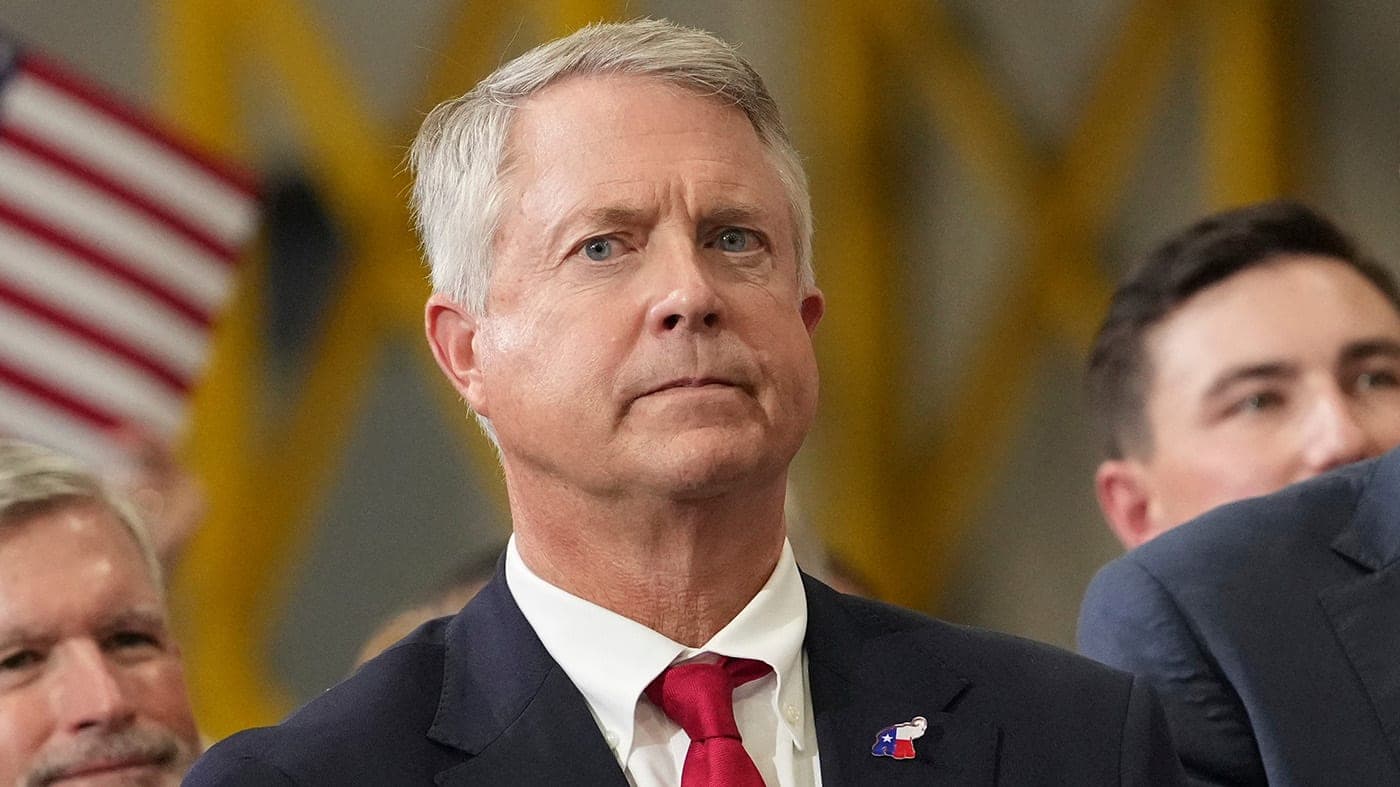
Marshall’s lawyers challenged a campaign ad about medical-debt lawsuits linked to his former medical practice.
SOURCE CHECK
TAP FOR WHYThe Hill is an established national news outlet, and this report attributes key details to a letter, prior reporting and a named poll. The short article offers limited original evidence and does not include Hamilton’s response.
- Source type — Established national news outlet.
- Editorial standards — The report attributes claims to identifiable sources, including a letter and other reporting.
- Author attribution — A named author is credited.
- Transparency — The report identifies the sources for major claims but provides limited detail about its own reporting process.
The report includes an account from Marshall, quotes his lawyers’ objection, and attributes the lawsuit and polling details to named sources. It does not include Hamilton’s response or much context about the ad’s claims.
HOW WE SCORE ↗The report presents Marshall’s defense and his lawyers’ objection, as well as the reporting behind the ad’s subject. Hamilton’s perspective is absent, and the underlying claims are not independently examined in depth.
- Counterarguments presented — Marshall’s position and his lawyers’ objection are included, but Hamilton’s response is not.
- Source diversity — The article cites a letter, prior reporting, a debate statement and a poll, but offers little direct source diversity.
- Omitted context — The ad’s full content and Hamilton’s explanation are not provided.
The article reports the legal objection, the medical-debt history and Marshall’s defense in mostly neutral language. It does not clearly favor either candidate.
- Language tone — Mostly descriptive wording, with charged phrases presented as quotations or attributed claims.
- Source selection — Includes the lawyers’ objection and Marshall’s response, alongside reporting attributed to other outlets.
- Framing — Frames the story around the cease-and-desist letter and the ad’s underlying medical-debt claims.
Lawyers for Sen. Roger Marshall sent Senate candidate Adam Hamilton a cease-and-desist letter over an ad about medical-debt lawsuits tied to Marshall. The article reports Marshall’s response to earlier reporting on the lawsuits and notes that Hamilton was slightly ahead in a Kansas poll.
The ad features Meischa Zimmerman, who said she was arrested after missing a $50 monthly payment on medical debt owed to Marshall. Marshall’s lawyers called the ad false and said it attacked his professional integrity and fitness for public office. The article reports that Marshall’s lawyers sued more than 700 patients and that 81 people were arrested over outstanding medical debts; Marshall described the practices as common and called the report a “hit job.”
The article also says Marshall had distanced himself from President Trump on some issues, while Trump reaffirmed his endorsement. It reports that a September Emerson College and Nexstar poll put Trump’s approval in Kansas at around 40 percent and Hamilton ahead of Marshall, 45 percent to 43 percent.
Community verdict
16 VOTES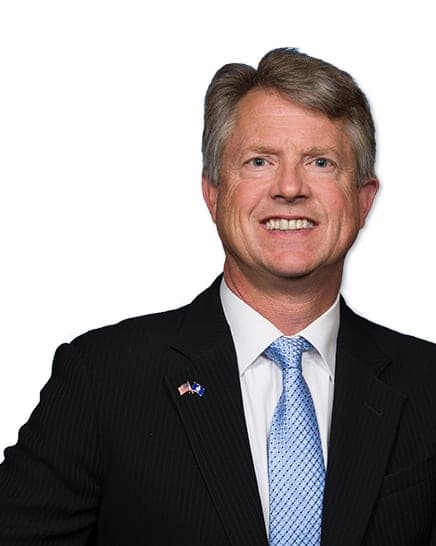
People in this story
SWIPE →Kansas senator whose lawyers sent the cease-and-desist letter

President and Marshall’s endorser

Democratic Senate candidate whose campaign ad prompted the letter
Part of a bigger story
5 OUTLETSOutlets agree that Adam Hamilton ran an ad about medical-debt collection by Roger Marshall’s former medical practice, and that Marshall disputed its account. Left-leaning outlets stress the patient’s account and portray the ad and Marshall’s effort to have it removed as politically damaging. Center outlets focus on competing claims about the ad, including Marshall’s lawyers’ demand for retraction and Hamilton’s defense. Right-leaning outlets frame it as renewed scrutiny of Marshall’s collection practices, highlighting a former patient’s accusation and Marshall’s response amid the Senate race.
- ARTICLES
- 5
- OUTLETS
- 5
- AVG CRED
- 66
Discussion · 0
Loading comments…