Weak Turnout For Saturday's Senate Race: Who Benefits?
Fleming’s low-budget campaign and potential advantage among voters who turn out are central to the runoff analysis.
SOURCE CHECK
TAP FOR WHYThe Hayride is an opinion-oriented publisher, and this article is explicitly commentary rather than straight reporting. It names some sources and polling details, but the author is unidentified and the text provides limited visibility into the outlet’s editorial and correction practices.
- Source type — Recorded as opinion, which lowers confidence in institutional reporting standards relative to a newsroom.
- Author attribution — The author is listed as unknown, limiting accountability for the piece.
- Transparency — The article identifies pollsters and some polling details, but offers limited sourcing context.
- Editorial standards — The available information does not establish a corrections practice or formal editorial standards.
The commentary includes turnout figures attributed to the Louisiana Secretary of State and specific polling results, and it presents arguments associated with both campaigns. Its assessment relies on a small set of polls, including surveys paid for by a Letlow supporter, and the author’s own interpretation rather than extensive independent reporting.
HOW WE SCORE ↗The article includes polling and arguments that could favor either candidate, but the author’s commentary is more skeptical of Letlow and gives considerable weight to Fleming’s potential advantage. The treatment is not wholly one-sided, though it does not provide extensive independent or campaign-sourced responses.
- Counterarguments presented — The piece acknowledges Letlow’s strong primary showing and a poll showing her ahead, as well as the possibility of a Fleming upset.
- Loaded language — Several characterizations are openly evaluative, including the author’s descriptions of the campaigns and Letlow’s public image.
- Source diversity — It cites state turnout figures, pollsters and campaign arguments, but offers limited direct sourcing from voters or the candidates.
- Opinion vs reporting — The piece is commentary and makes its own predictions and judgments.
The commentary is broadly conservative in its framing and gives substantial attention to Fleming’s appeal to conservative voters while criticizing Letlow’s campaign and past remarks. It nevertheless presents arguments for Letlow and does not simply endorse Fleming.
- Framing — The piece frames Fleming’s populist appeal and conservative support as plausible advantages in a low-turnout race.
- Language tone — The author uses evaluative language about Letlow’s perceived weakness and the character of the campaigns.
- Source selection — It cites polling associated with both campaigns and notes the absence of polling from larger organizations.
- Omission — The article offers limited independent evidence for its conclusions about voter motivation and campaign effectiveness.
A Louisiana Senate runoff between Julia Letlow and John Fleming is projected to draw much lower turnout than the May primary, while polling cited in the commentary suggests a close race. The author argues that weak turnout could help Fleming, though Letlow remains the author’s pick to win.
The commentary says more than 151,600 Louisiana voters had cast early ballots ahead of the June 27 Senate runoff, and cites a projection of about 15% statewide turnout, compared with 28% in the May 16 primary. It argues the turnout drop reflects the campaigns rather than Louisiana’s new party-primary system. The article also notes that the race will determine the Republican nominee for the November Senate election, with the winner expected to replace Bill Cassidy.
The author describes the contest as potentially close, citing two polls commissioned by a Letlow supporter that showed the candidates within the margin of error, while noting the lack of polling from major organizations. The piece says Fleming’s low-budget, social-media-focused campaign may benefit from low turnout, but concludes that Letlow is still the likelier winner, pointing to her primary result and a more favorable poll. It criticizes Letlow’s campaign message and discusses her past comments about a university DEI office.
Community verdict
VOTING CLOSEDNo good or bad look here
This story reports what happened without casting Fleming in a good or bad light, so readers don’t rate it and it doesn’t count toward Fleming’s record.
People in this story
SWIPE →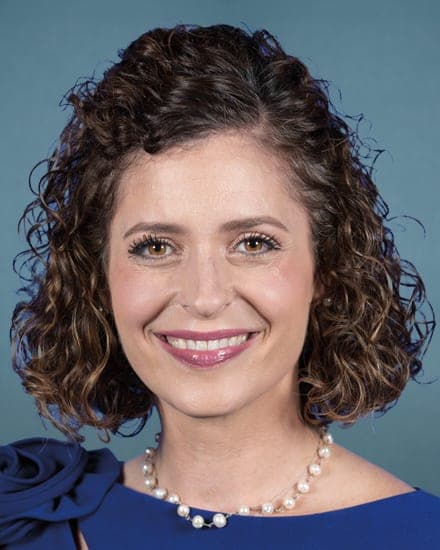
Republican candidate in the Louisiana Senate runoff
Letlow's version of this story ↗
President who endorsed Letlow
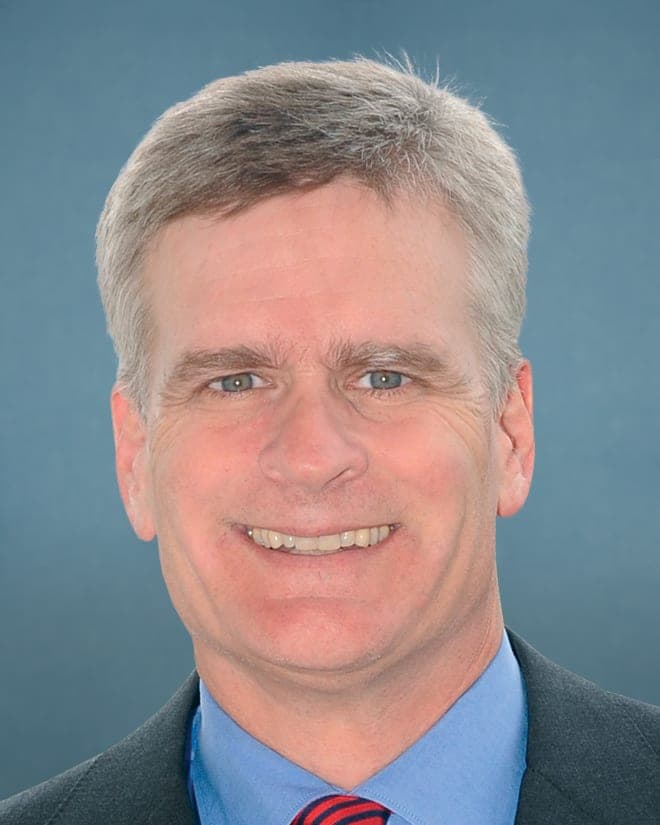
Louisiana senator who is expected to be replaced after the election
Discussion · 0
Loading comments…