SADOW: Senate Polls Reveal Strategy, Not State of Race
Sadow argues that Davis’s favorable polling releases are aimed more at fundraising and party-building than at showing a close race.
SOURCE CHECK
TAP FOR WHYThe Hayride is identified as an opinion publisher, and this piece is an attributed column rather than independent news reporting. The author offers some specific polling details, but the article does not provide the poll or a detailed account of its methodology for readers to assess.
- Source type — The publisher is classified as opinion, which lowers the institutional credibility prior for straight news.
- Transparency — The column identifies the polling firm and gives selected methodology details, but no poll document or link is presented in the text.
- Author attribution — A named author is credited.
The column cites a polling firm and describes the sample size and features the author believes may skew the result. Its claims about likely voter behavior and the campaign’s motives are largely the author’s interpretation, with no opposing analyst or campaign response included.
HOW WE SCORE ↗The column presents reasons the race could be closer, including the possibility of disaffected Republicans staying home, but its main argument is that the poll overstates Davis’s prospects. It does not include responses from the campaign or independent experts.
- Opinion vs reporting — The piece is an opinion column and advances a clear conclusion about the poll’s purpose and reliability.
- Counterarguments presented — The author acknowledges that some Republicans may stay home and Davis could do better than recent Democrats, but treats this as a limited possibility.
- Loaded language — Several judgments about the candidates and poll are presented in forceful, evaluative language.
- Source diversity — No opposing campaign voice or independent expert is quoted.
The column is strongly skeptical of Davis’s polling and forecasts a clear Letlow advantage, using language that portrays Davis’s support as inflated and his preferences as far left. Its framing favors the Republican candidate.
- Framing — The article frames the poll releases as a strategy to help Democrats rather than as evidence of a competitive race.
- Language tone — The author uses dismissive and strongly predictive language about Davis’s prospects.
- Source selection — The column relies on the author’s interpretation and does not include a response from Davis’s campaign or an independent polling analyst.
Jeff Sadow argues that Jamie Davis’s campaign released favorable Senate polls mainly to attract donations and energize Louisiana Democrats, not because the race is genuinely close. He criticizes the poll’s sample and questions, while saying Julia Letlow remains strongly favored.
Jeff Sadow says polls released by Jamie Davis’s campaign showed Davis trailing Republican Julia Letlow by four points, but argues that the results should not be read as a reliable measure of the race. He points to the poll’s sample of 500, its lack of geographic apportionment, possible oversampling of Democrats, and questions that increased Davis’s support.
Sadow argues that Letlow is favored because of her high name recognition and the Republican advantage in Louisiana, while allowing that some Republicans could stay home after a divisive primary and Davis might perform better than recent Democrats. He says the polling releases are intended to draw donations away from more competitive Senate races and encourage Democratic fundraising and down-ballot candidates.
Community verdict
VOTING CLOSED
No good or bad look here
This story reports what happened without casting Davis in a good or bad light, so readers don’t rate it and it doesn’t count toward Davis’s record.
People in this story
SWIPE →Democratic Louisiana Senate candidate whose campaign released the polls
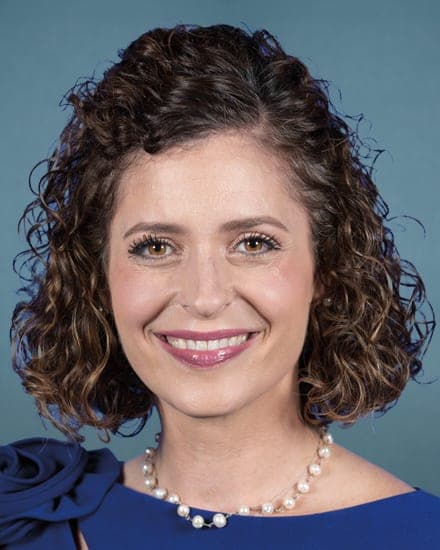
Republican Louisiana representative and Senate candidate discussed as Davis’s opponent
Letlow's version of this story ↗Part of a bigger story
2 OUTLETSDiscussion · 0
Loading comments…