Bernie Sanders and Ro Khanna propose bill to impose wealth tax on billionaires
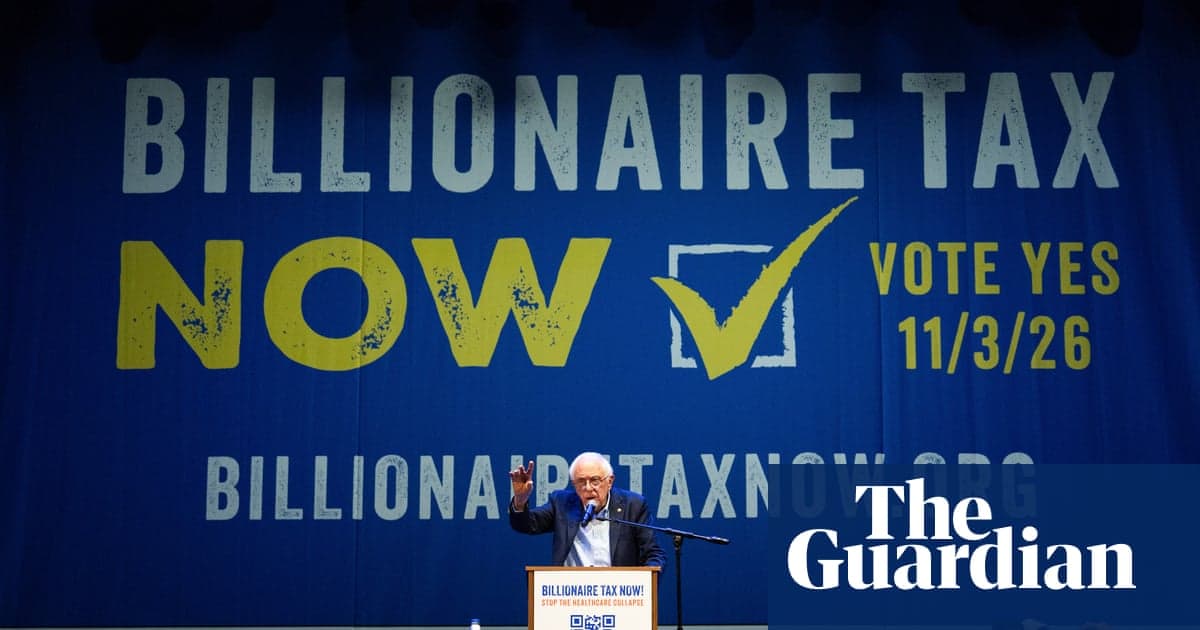
Khanna co-introduced a bill proposing an annual wealth tax on billionaires and has advocated a deferral provision for some startup founders.
SOURCE CHECK
TAP FOR WHYThe Guardian is an established national news organization with a named reporter and a recognizable editorial operation. This article attributes key estimates and policy claims, though much of its detail comes from the lawmakers’ own release.
- Source type — Established national news outlet with an institutional reporting operation.
- Author attribution — A named reporter is credited.
- Editorial standards — The organization has established editorial standards and a corrections process.
- Source selection — The article attributes financial estimates and legislative claims to their sources, but relies substantially on a press release.
The report gives concrete proposed tax rates, thresholds and revenue uses, and attributes estimates to the lawmakers and economists. It provides limited scrutiny of those estimates and no opposing view on the federal proposal, though it notes the bill’s political prospects and reports opposition to a separate state measure.
HOW WE SCORE ↗The federal proposal is presented mainly through its sponsors’ claims and a release, with no critic of that bill quoted. The article adds political context and includes opposition to a separate California wealth-tax proposal, which is not the same measure.
- Source diversity — Most detail about the federal bill comes from its sponsors’ release; the article also cites an outside news report.
- Counterarguments presented — No opposing view on the federal bill is included; opposition discussed concerns the separate California proposal.
- Opinion vs reporting — The story is presented as reporting, with claims attributed rather than adopted.
The article describes the proposal and its claimed benefits in largely matter-of-fact language, attributes estimates and positions, and notes that the bill is unlikely to become law. It does not clearly advocate for or against the federal tax.
- Language tone — Mostly neutral, descriptive wording.
- Source selection — The article relies heavily on the proponents’ statements but identifies them as such.
- Framing — It presents the proposal, its stated uses and political prospects without an explicit verdict.
Bernie Sanders and Ro Khanna introduced a bill proposing a 5% annual wealth tax on billionaires. They say it would fund direct payments and programs including Medicare coverage and affordable housing, though the article says it is unlikely to become law under current Republican control of Congress.
Sanders and Khanna introduced the Make Billionaires Pay Their Fair Share Act, which would apply to people in the United States with a net worth of at least $1 billion. The lawmakers cited an estimate from University of California, Berkeley economists that the measure would raise $4.4 trillion over a decade. They said the revenue would fund direct payments to households earning $150,000 or less and programs including expanded Medicare coverage and affordable housing. Sanders’s office estimated that Elon Musk, Mark Zuckerberg and Jeff Bezos would owe billions under the proposal.
The article says the bill is unlikely to become law given Republican control of Congress, but reports that the Washington Post said it could influence the Democratic Party’s 2028 presidential primary. It also describes a separate proposed California ballot measure that would impose a one-time wealth tax. Governor Gavin Newsom has opposed that state proposal, while Khanna supports the federal bill and has advocated allowing some startup founders to defer payment until a liquidity event.
Community verdict
18 VOTES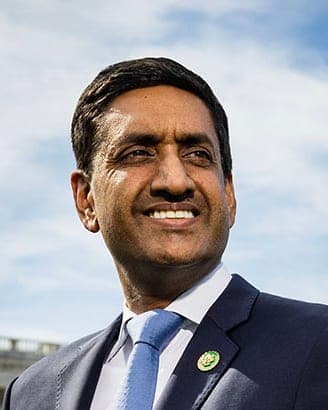
People in this story
SWIPE →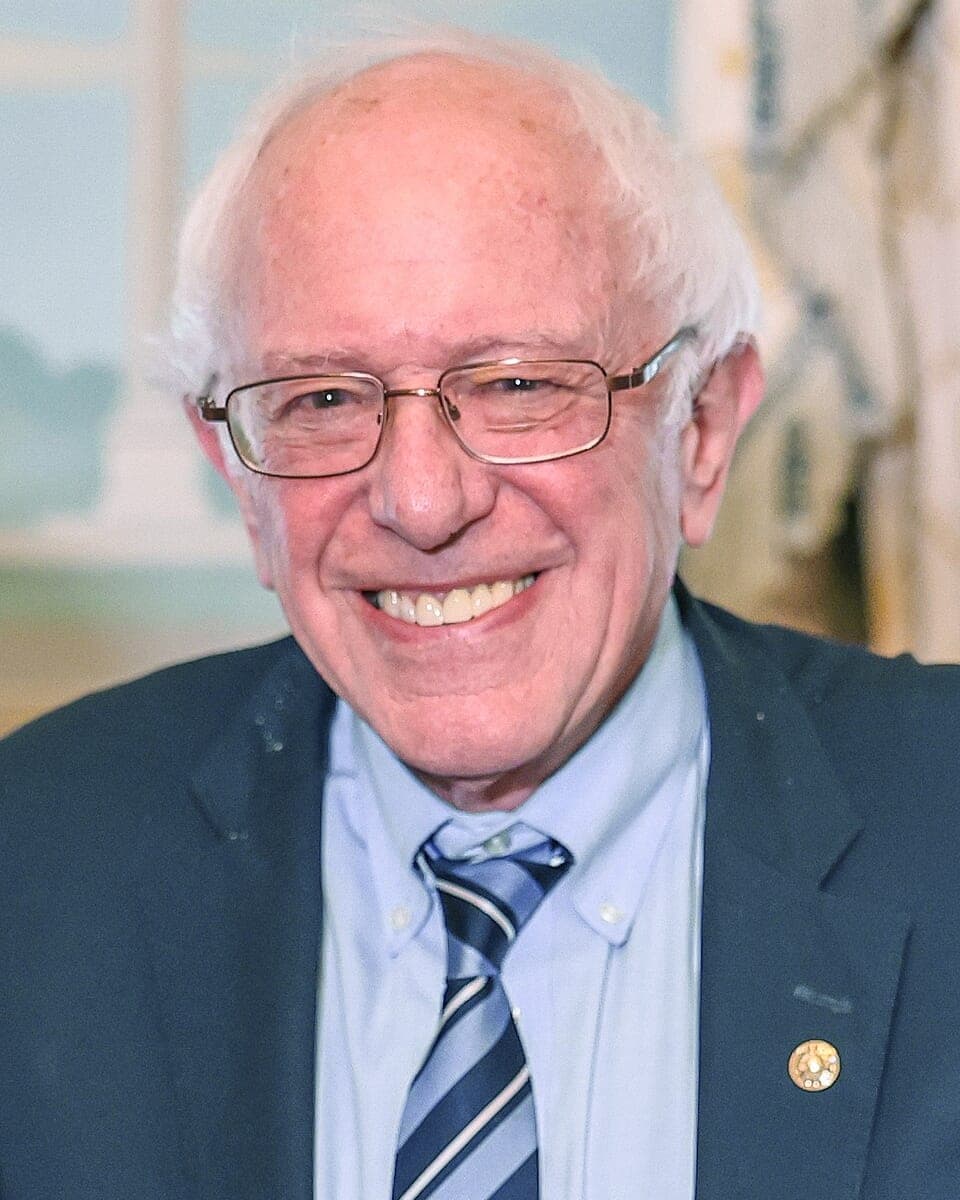
Senator and co-introducer of the proposed wealth-tax bill
Sanders's version of this story ↗Part of a bigger story
6 OUTLETSSanders and Khanna introduced a bill proposing a 5% annual tax on billionaire wealth, with revenue intended for payments to eligible households. Center outlets explain the proposal’s terms and uses while also weighing its political prospects and implementation hurdles. Right-leaning outlets emphasize the scale of the tax and spending, including proposed household payments and an expert’s criticism of the revenue assumptions.
- ARTICLES
- 6
- OUTLETS
- 6
- AVG CRED
- 80
Discussion · 0
Loading comments…