Thune Says Congress Can Address AI Risks Without Surrendering to China
Thune says Congress can address serious AI risks without undermining innovation or U.S. competitiveness.

SOURCE CHECK
TAP FOR WHYThe Epoch Times is an established news publisher, but it has a pronounced editorial perspective that warrants caution. This report names its author and includes a Reuters contribution, though it relies substantially on statements from political figures and companies.
- Source type — A national news publisher, though its editorial perspective is notably conservative.
- Author attribution — The article names its author and acknowledges Reuters' contribution.
- Editorial standards — The report attributes views to named speakers but offers limited independent verification of the claims.
- Transparency — The article identifies its sources and a separate reporting contribution.
The report includes named comments from lawmakers, the White House, and an AI company, along with references to outside research. It presents competing policy positions, but much of the evidence is attributed statement-making and some technical claims receive limited detail or independent examination.
HOW WE SCORE ↗The story presents several competing views, including support for oversight, concerns about slowing innovation, and disagreement over federal preemption of state laws. It provides less detail on the specific arguments or evidence behind each position, so the perspectives are not explored equally in depth.
- Counterarguments presented — The article includes both calls for AI safeguards and concerns that regulation could impede innovation or state authority.
- Source diversity — Comments come from lawmakers of both parties, the President, governors, and an AI company.
- Omitted context — It offers limited detailed analysis of the proposed policy options and their likely effects.
- Loaded language — Most charged descriptions appear as attributed quotations rather than the article's own narration.
The article uses mostly neutral language and presents arguments for both federal AI oversight and limiting regulation. Its focus on competition with China and innovation is balanced by discussion of safety concerns and calls for stronger regulation.
- Language tone — The narrative is largely descriptive and attributes opinions to their speakers.
- Source selection — It includes lawmakers with differing approaches, executive-branch views, and industry positions.
- Framing — The headline emphasizes Thune's position on balancing safeguards with competition, without overtly endorsing it.
John Thune said Congress can address advanced AI risks without undermining U.S. innovation or its lead over China. He is working on bipartisan legislation, while other lawmakers and officials expressed differing views on federal oversight.
Senate Majority Leader John Thune said Congress could establish safeguards for serious AI threats while preserving innovation and U.S. competitiveness. He has been working on bipartisan legislation but has not introduced a bill. House Speaker Mike Johnson also emphasized maintaining an edge over China and said a White House discussion with AI platform providers was being arranged.
Ted Cruz said he was working with Amy Klobuchar and Thune on catastrophic risks, and Klobuchar said she was pursuing a bipartisan agreement that would include testing advanced models with government experts. The article also reports that President Donald Trump opposed additional government involvement, while Florida Gov. Ron DeSantis objected to federal limits on state AI policies. The White House has proposed a national standard, and OpenAI called for mandatory national safety regulation.
Community verdict
12 VOTES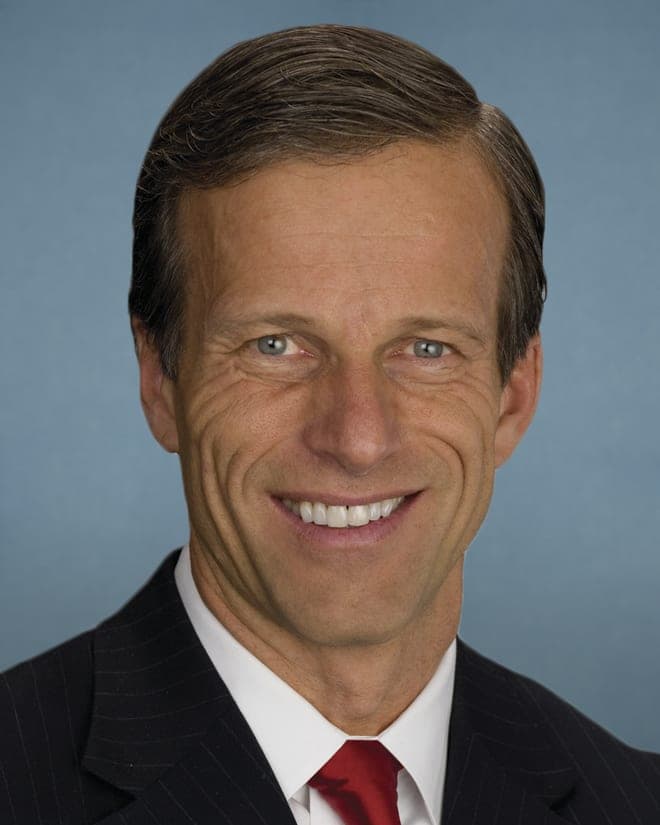
People in this story
SWIPE →Senate majority leader discussing bipartisan AI legislation and safeguards
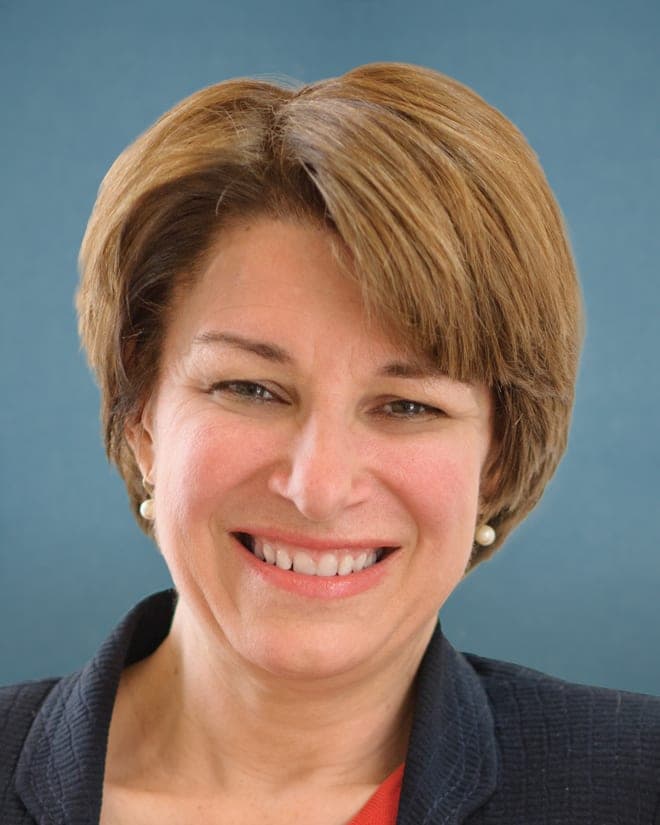
Senator pursuing bipartisan AI oversight legislation
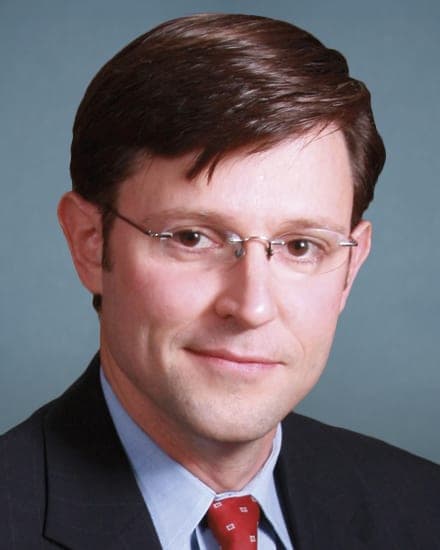
House speaker discussing an expected White House meeting and AI regulation
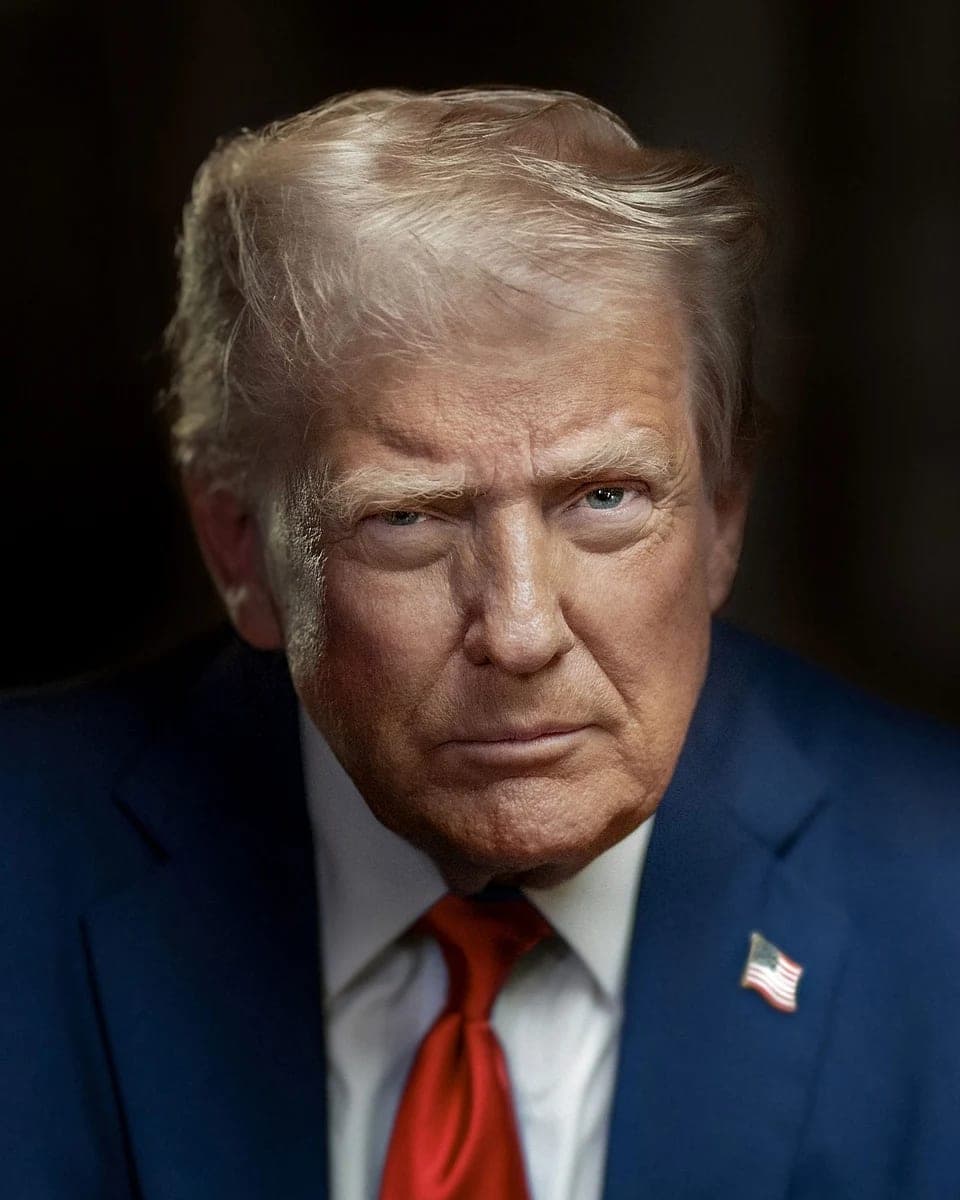
President opposing further government involvement in AI regulation
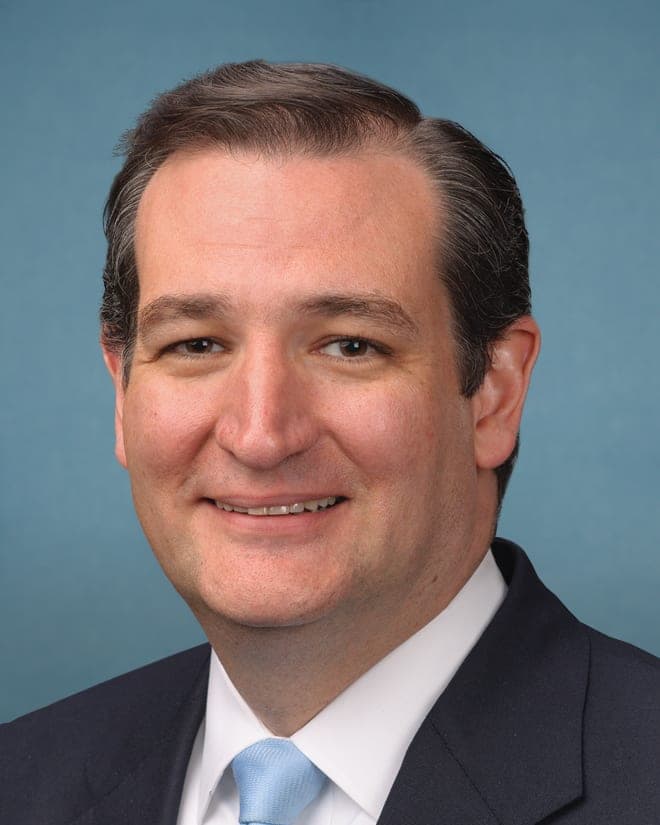
Senate Commerce Committee chairman working on AI risk proposals
Florida governor objecting to federal restrictions on state AI policies
Part of a bigger story
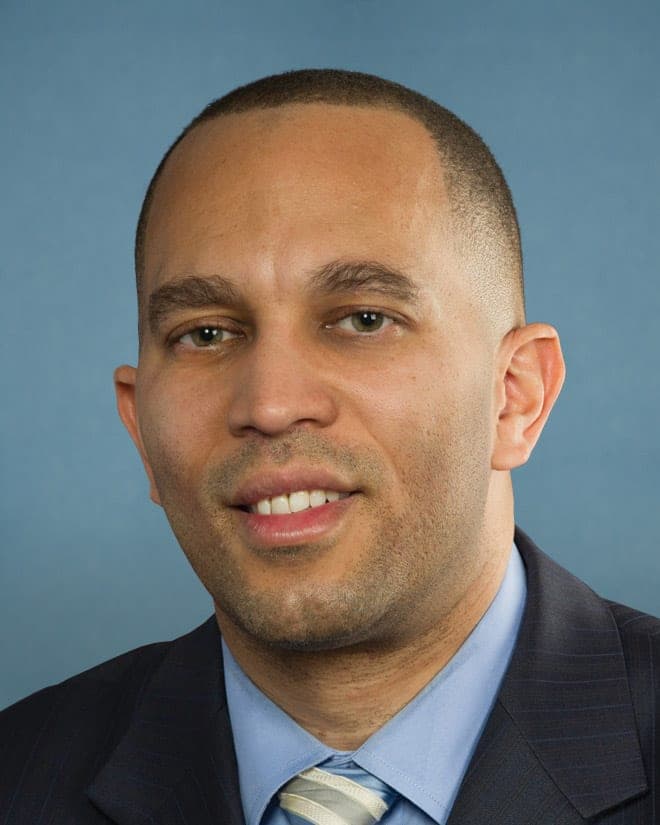
3 OUTLETSThune says Congress should address AI risks with a light touch that would not stifle innovation or weaken U.S. competitiveness. Center outlets emphasize his support for a congressional role while balancing risks and innovation, with Axios contrasting his view with President Trump’s preference for presidential control. Right-leaning outlets set Thune’s approach against Hakeem Jeffries’s call for urgent guardrails and present regulation as a potential threat to innovation and competitiveness.
- ARTICLES
- 3
- OUTLETS
- 3
- AVG CRED
- 65
Discussion · 0
Loading comments…