Rep. Mast: Iran's Proxies Must Be Tied to Deal
Mast argued that Iran’s proxies must be tied to a final peace agreement and defended the results of U.S. military action.

SOURCE CHECK
TAP FOR WHYThe Daily Signal is an established, openly conservative outlet with identified authors and editorial oversight, but its partisan orientation and reliance here on a single interview limit confidence in its independent verification.
- Source type — Established national outlet, though its political orientation is conservative.
- Editorial standards — The outlet has an editorial operation, but the article offers limited independent verification of its central claims.
- Author attribution — A named author is identified.
- Transparency — Mast's statements are attributed to an interview with the outlet.
The article attributes its central account to Mast and includes Jeffries’s brief criticism, but relies heavily on one interview and does not independently substantiate several consequential claims about the agreement, funding, or military damage.
HOW WE SCORE ↗The story gives extensive space to Mast’s position and only a brief reference to Jeffries’s criticism, with no independent source or Iranian perspective to test key claims.
- Counterarguments presented — Jeffries’s description of the conflict as costly is noted, but his reasoning is not developed.
- Source diversity — The substantive discussion relies almost entirely on Mast.
- Omitted context — The article does not provide independent verification or additional perspectives on the agreement and military claims.
- Loaded language — Strong characterizations appear mainly as attributed statements rather than as the reporter’s own descriptions.
The framing foregrounds Mast’s arguments and favorable assessment of Trump’s actions, while presenting Jeffries’s criticism briefly and without a fuller opposing perspective.
- Framing — The article is organized around Mast’s case for tying Iran’s proxies to a deal.
- Source selection — Mast supplies nearly all the substantive perspective; Jeffries is mentioned only briefly.
- Language tone — The article repeats forceful descriptions of U.S. military action and Iran-backed groups, largely through Mast’s quotes.
Rep. Brian Mast said Iran’s proxies should be included in a final U.S.-Iran peace agreement, and argued that recent U.S. military action has weakened Iran. He also disputed the description of the conflict as a costly war.
Rep. Brian Mast said a final peace agreement with Iran should include Hezbollah, Hamas and the Houthi rebels, arguing that the groups are closely tied to Iran. His remarks followed a memorandum of understanding between the United States and Iran and a rocket attack by Hezbollah on Israeli villages.
Mast said the current agreement holds Israel accountable for retaliation against Hezbollah and argued that the same standard should apply to Iran-backed groups. He also said Iran would receive reconstruction funds only if it complies with the agreement, and credited President Donald Trump’s military action with weakening Iran. House Minority Leader Hakeem Jeffries had described the conflict as a “costly war.”
Community verdict
27 VOTES
People in this story
SWIPE →House Foreign Affairs Committee chairman arguing for Iran’s proxies to be included in a final peace agreement
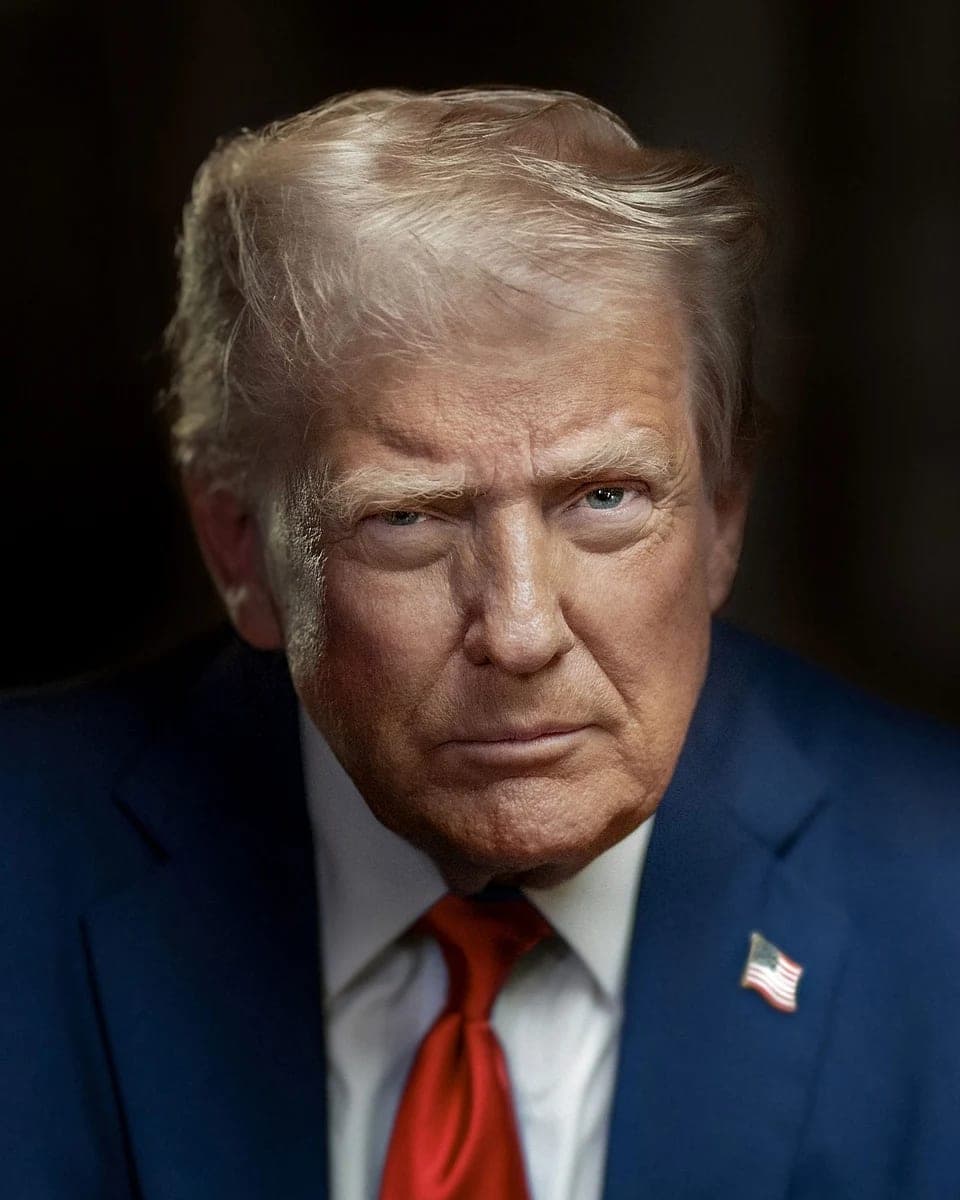
President whose administration negotiated the memorandum and whose military action Mast praised
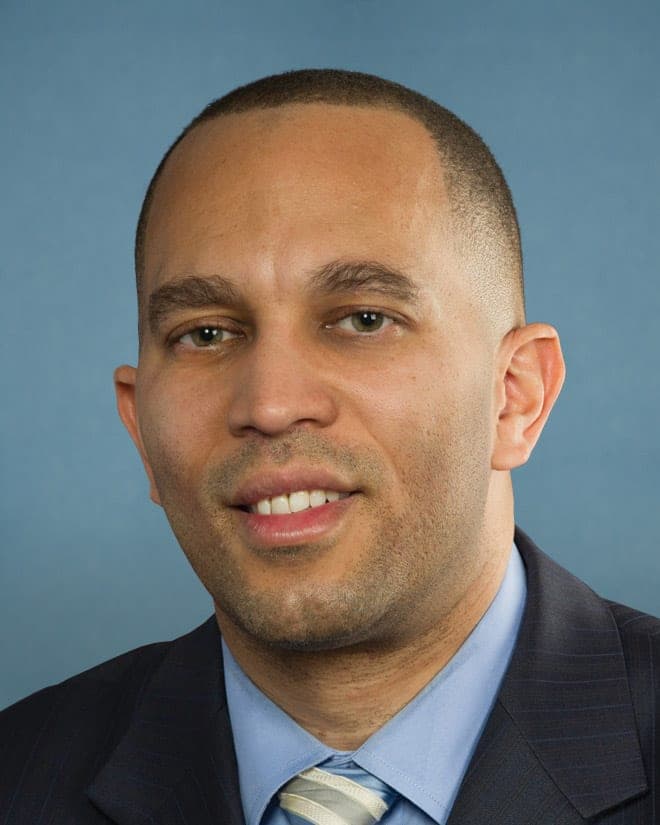
House Minority Leader whose characterization of the conflict as costly is cited
Discussion · 0
Loading comments…