Republicans Pull The Plug On 2 Swing States As GOP's Midterm Prospects Become Increasingly Grim
The article reports reduced outside spending in North Carolina and quotes a campaign spokesperson expressing confidence in Whatley's resources.
SOURCE CHECK
TAP FOR WHYThe Daily Caller is an established, transparently attributed outlet that publishes original reporting, but its partisan orientation warrants a more cautious assessment than a major wire service or newspaper of record. This article attributes much of its reporting to named publications, polls and campaign or committee spokespeople.
- Source type — An established national outlet with a recognizable partisan perspective.
- Transparency — The article identifies polling and other publications as sources for key figures.
- Author attribution — The page names a reporter.
- Editorial standards — Partisan framing and reliance on attributed claims limit confidence relative to outlets with stronger public accountability signals.
The article provides specific spending figures and polling results, attributes claims to named outlets and includes comments from a Republican committee and a campaign spokesperson. It offers little direct response from Democratic campaigns and leaves the consequences of the spending changes uncertain.
HOW WE SCORE ↗The article includes multiple polling and spending figures, along with responses from Republican campaign and committee representatives and a comment from Chuck Schumer. It does not include direct comments from the Democratic candidates, and the Republican campaign's response is limited.
- Source diversity — The article cites polling, news organizations, a committee spokesperson, a campaign spokesperson and Schumer.
- Counterarguments presented — A Whatley campaign spokesperson says the campaign has resources to compete, but Democratic candidates' direct responses are absent.
- Omitted context — It does not resolve whether other groups will compensate for the spending reductions.
- Loaded language — The headline is more pointed than the largely reportorial body.
The article reports polling leads for Democrats and reduced Republican spending, but it largely presents these as campaign developments and attributes evaluative claims to their speakers. Its headline uses negative language about Republican prospects, while the body does not clearly adopt a partisan position.
- Source selection — It includes Republican campaign and committee comments as well as statements from Schumer, with most figures attributed to outside reporting and polling.
- Language tone — Most of the article uses reportorial language and attributes its claims.
- Headline — The headline characterizes Republican prospects as increasingly grim.
Republican groups scaled back advertising support in Georgia and North Carolina while shifting substantial resources to other races, as polls showed Democratic candidates leading in both states. The article reports that the spending changes could affect Republican candidates Mike Collins and Michael Whatley.
The article says Republican political committees and PACs reduced planned spending in Georgia and North Carolina while directing money to other contests. It reports that the Senate Leadership Fund paused its North Carolina advertising after spending $30 million there, and that other pro-Republican groups also cut or limited planned advertising. A Whatley campaign spokesperson said the campaign had enough resources to defeat Roy Cooper; the article says it was unclear whether other groups would increase their spending.
The article cites polling that showed Democratic candidates leading in Georgia and North Carolina, and reports that Jon Ossoff and Roy Cooper had booked more advertising than their Republican opponents. It also describes Republican spending in Kansas, Iowa, Alaska and Texas, while noting that it was unclear how the spending changes would affect the races.
Community verdict
VOTING CLOSED
No good or bad look here
This story reports what happened without casting Whatley in a good or bad light, so readers don’t rate it and it doesn’t count toward Whatley’s record.
People in this story
SWIPE →Republican North Carolina Senate candidate affected by reduced party-aligned spending
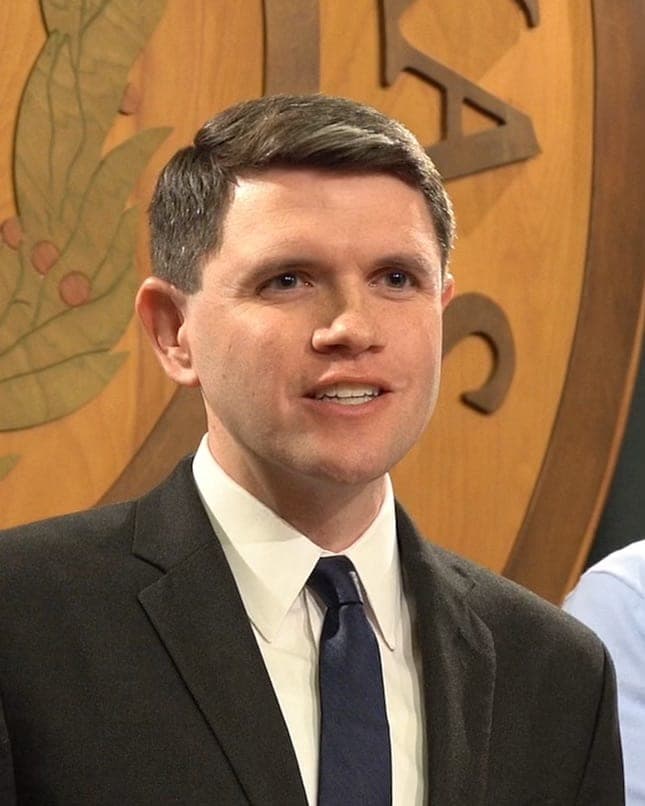
Democratic Texas Senate candidate opposing Ken Paxton

Democratic Iowa Senate candidate opposing Ashley Hinson
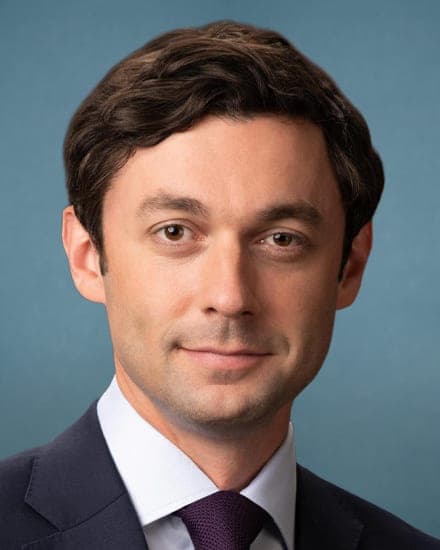
Democratic Georgia senator and Collins's electoral opponent
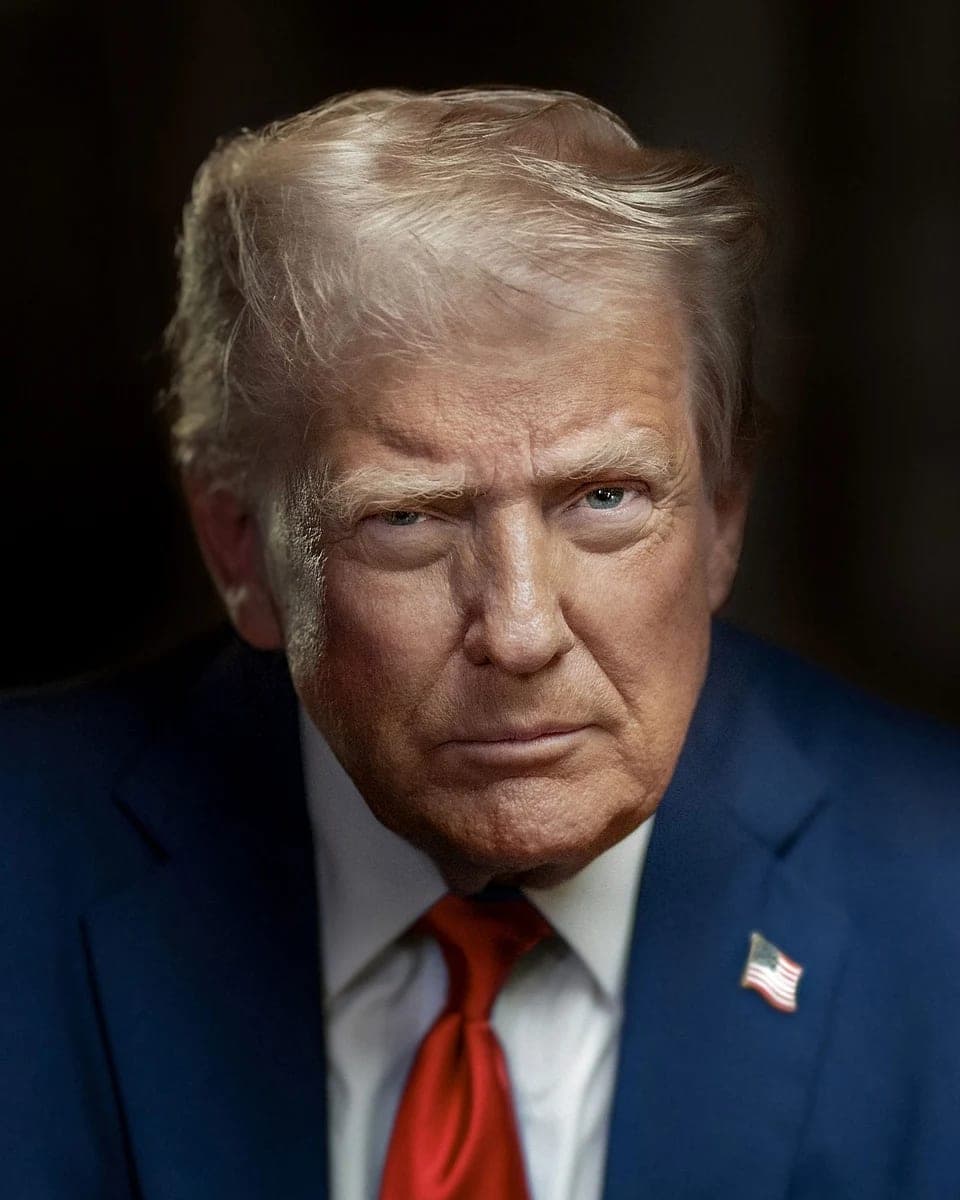
President whose aligned groups and endorsement are discussed
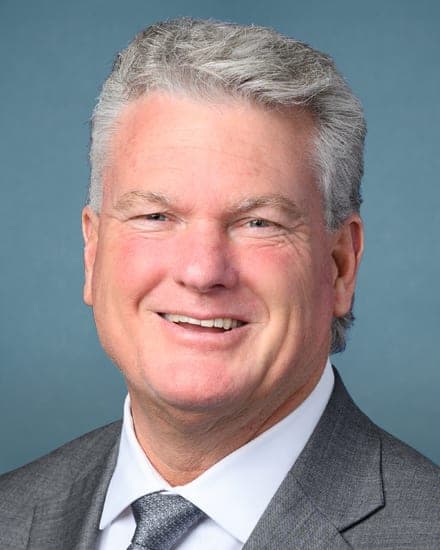
Republican Georgia candidate affected by reduced party-aligned spending
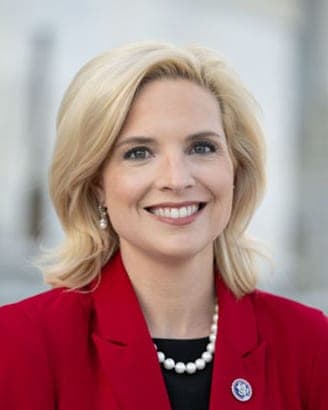
Iowa representative in a Senate race
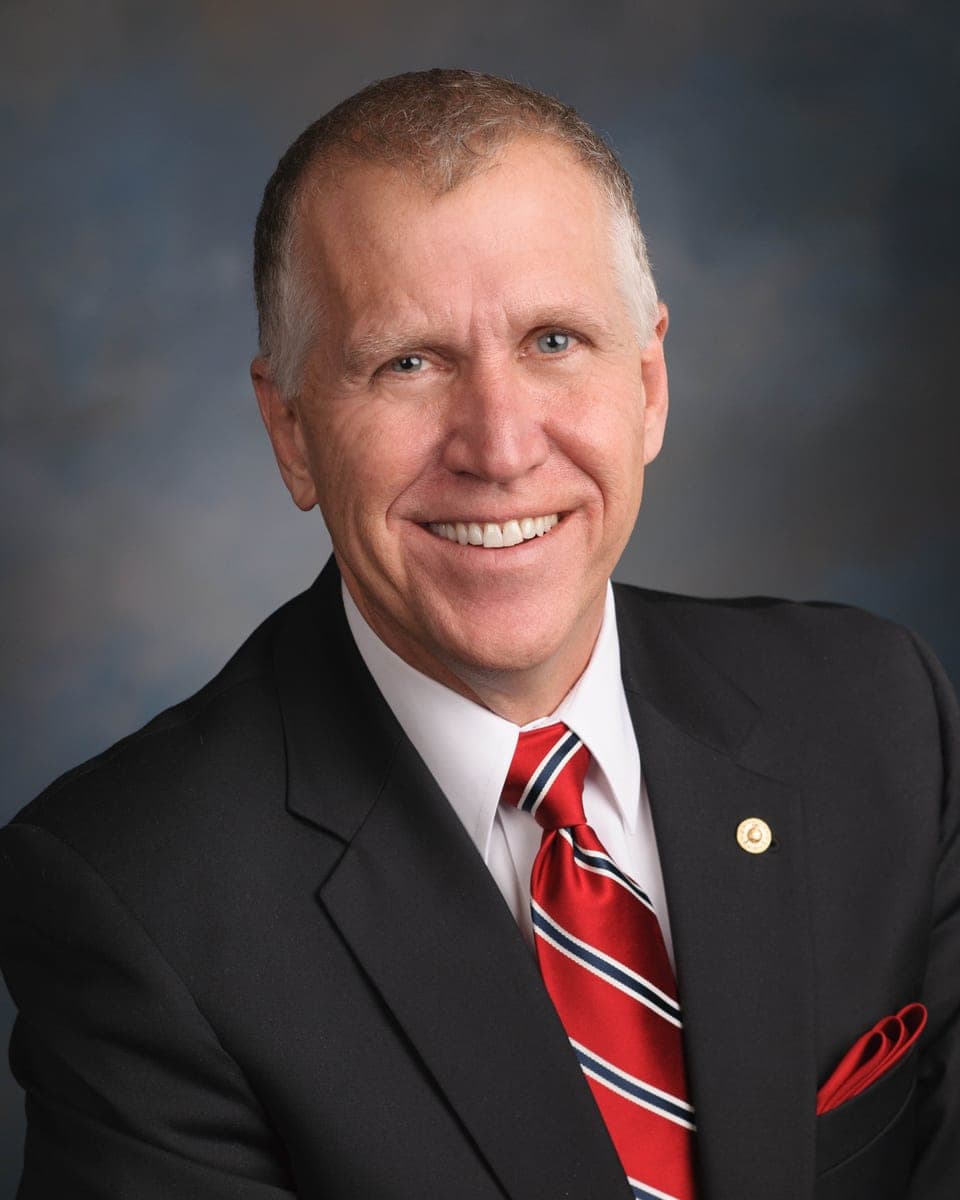
North Carolina senator who is not seeking reelection
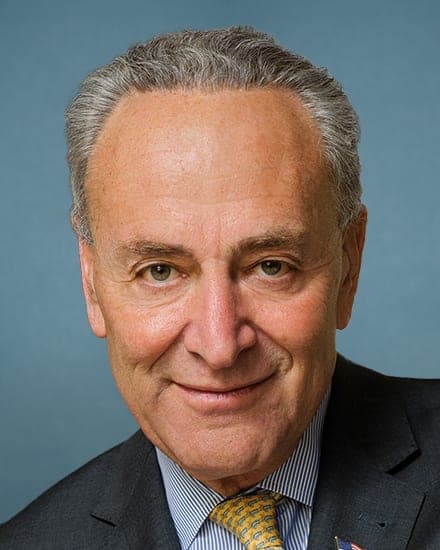
Senate minority leader commenting on the Senate Leadership Fund's spending shift

Democratic Kansas Senate candidate opposing Roger Marshall
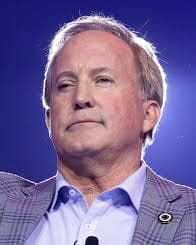
Republican Texas Senate candidate
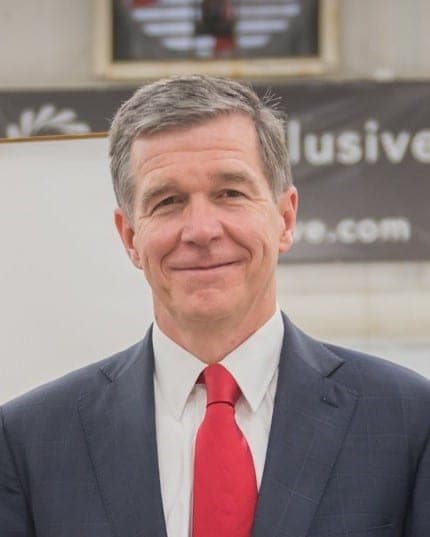
Democratic North Carolina Senate candidate and Whatley's electoral opponent
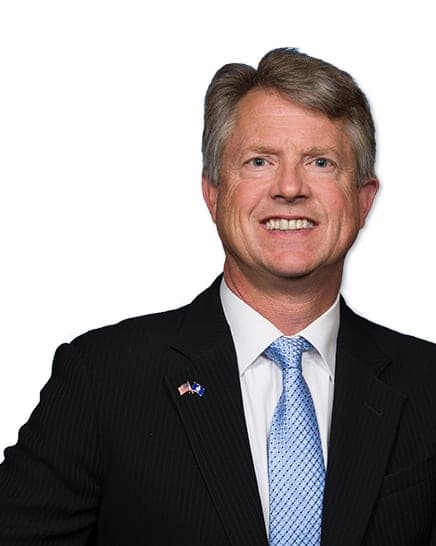
Republican Kansas senator in a competitive race
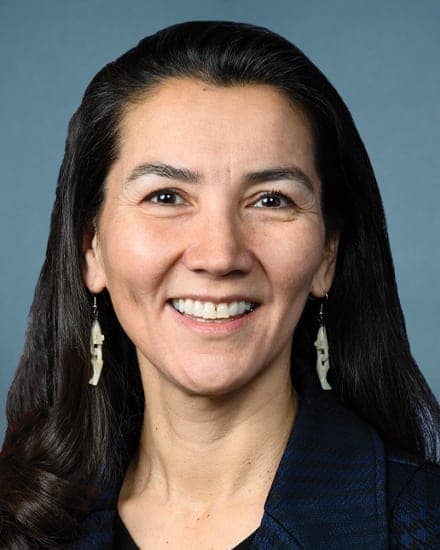
Democratic Alaska Senate candidate opposing Dan Sullivan
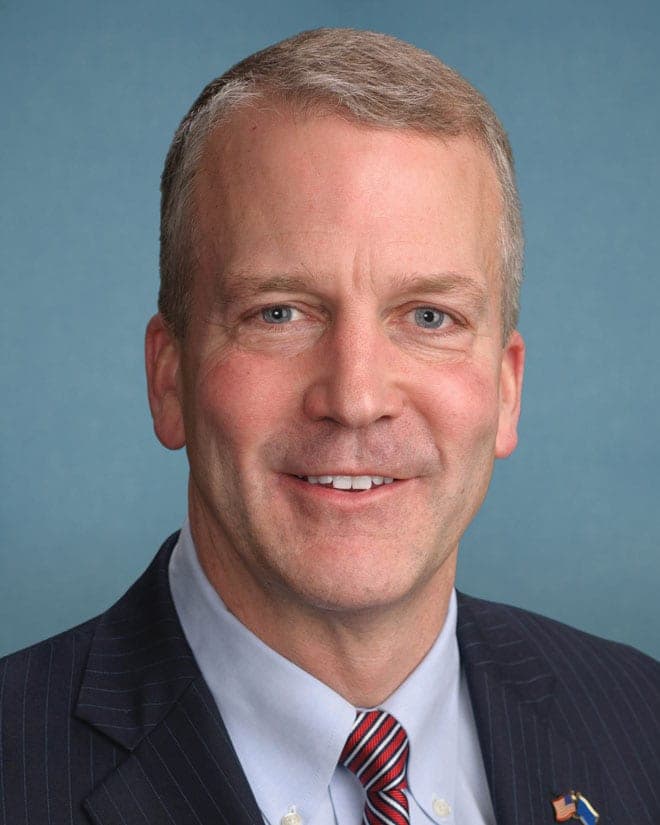
Alaska senator facing a competitive race
Part of a bigger story
6 OUTLETSOutlets report that Republican groups cut back or paused planned spending in North Carolina’s Senate race, where Michael Whatley is running against Roy Cooper. They also report polls showing Cooper ahead. Center outlets present the pullback as a setback for Whatley as he trails Cooper in polls. Right-leaning outlets place it alongside reduced spending in Georgia and a shift of resources to other races, while also reporting a Whatley campaign spokesperson’s confidence.
- ARTICLES
- 6
- OUTLETS
- 6
- AVG CRED
- 71
Discussion · 0
Loading comments…